
You set up your beehive with excitement. You checked on your bees every day. Then one morning, you open the hive and see… nothing. The bees are gone. This can be a sad and confusing moment for any beekeeper.
If this has happened to you, do not worry. You are not alone. Many beekeepers face this problem at some point.
In this guide, I will explain why bees leave their hive. I will also show you simple ways to stop it from happening again. These tips come from years of real beekeeping experience. By the end, you will know exactly how to keep your bees happy and at home.
Let us begin.
What Is It Called When Bees Leave the Hive?
When all your bees leave the hive at once, it is called absconding. This is different from swarming.
Swarming happens when the hive gets too crowded. The old queen leaves with about half the bees to find a new home. The other half stays behind with a new queen. Swarming is natural. It is how bees reproduce.
Absconding is different. In absconding, the entire colony leaves. The queen, worker bees, and drones all go. They leave behind their honey, pollen, and even baby bees called brood. This is a sign that something is very wrong.
Think of swarming as a planned move. Think of absconding as an emergency escape.
Common Reasons Why Bees Leave the Hive
Bees do not leave for no reason. They leave because their home is no longer safe or comfortable. Here are the most common causes.
Pests and Diseases
Pests are a big problem for bees. The most dangerous pest is the Varroa mite. These tiny mites suck the blood of adult bees and baby bees. They spread viruses that weaken the colony. A bad infestation can cause the bees to abandon the hive.
Other pests include small hive beetles and wax moths. Small hive beetles can destroy combs and make the hive smell bad. Wax moths eat through wax and leave webs behind. Both can make the hive unlivable for bees.
Diseases like American foulbrood can also kill a colony. If you see signs of disease, act fast.
Poor Environmental Conditions
Bees are sensitive to their surroundings. If the environment is bad, they will leave.
Too much heat. If the hive gets too hot, bees cannot cool it down. They need good airflow to stay comfortable. A hive in direct sunlight with no shade can become an oven.
No ventilation. Without fresh air, the hive becomes stuffy and humid. This makes it hard for bees to breathe and for honey to dry properly.
Bad smells. Strong chemical smells from pesticides, paint, or even new plastic equipment can drive bees away. They have a very good sense of smell. If the hive smells wrong, they will leave.
Lack of Food and Water
Bees need food to survive. They collect nectar and pollen from flowers. But sometimes there is not enough food nearby. This can happen during a dry season or after farmers spray chemicals on crops.
When food is scarce, bees may decide to move to a better location. The same goes for water. Bees need water to cool the hive and to feed the baby bees. Without a reliable water source, they will not stay.
Frequent Disturbances
Bees do not like being bothered all the time. If you open the hive too often, you stress them out. Loud noises from lawnmowers, tractors, or barking dogs can also upset them.
In some cases, other animals like ants or skunks may try to get into the hive. Constant attacks will make the bees feel unsafe. They will leave to find peace elsewhere.
How to Tell If Your Bees Are About to Leave
It is better to stop absconding before it happens. Here are signs that your bees might be planning to leave.
Reduced activity. Bees that are about to leave may stop bringing in pollen. They may also stop building new comb.
Less brood. The queen may stop laying eggs. You will see fewer baby bees in the hive.
Aggressive behavior. Stressed bees often become more defensive. If your usually calm bees start stinging more, something is wrong.
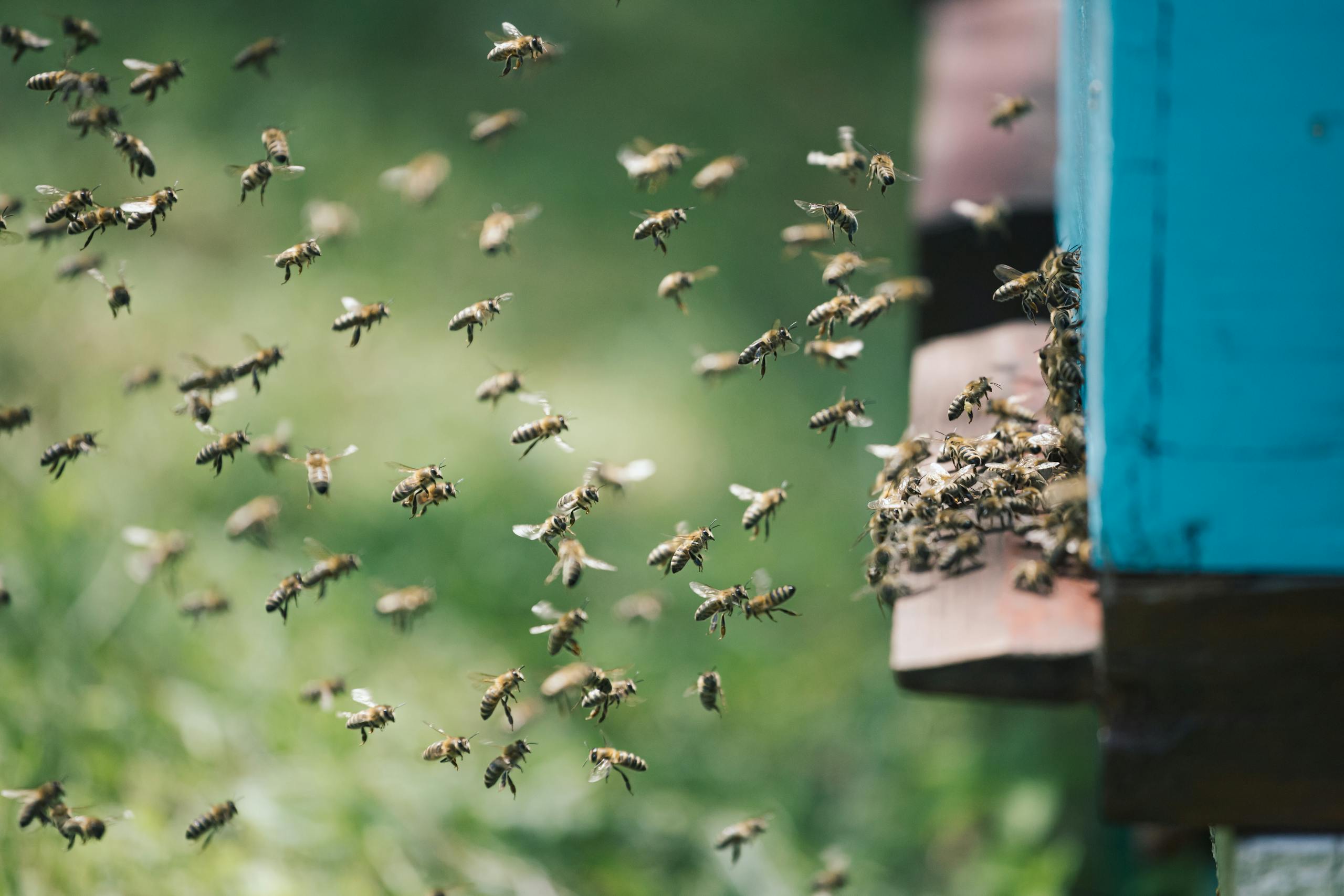
Bees bearding at the entrance. This is when many bees gather at the front of the hive. It can mean the hive is too hot or too crowded.
If you see these signs, take action right away.
How to Stop Bees From Leaving the Hive
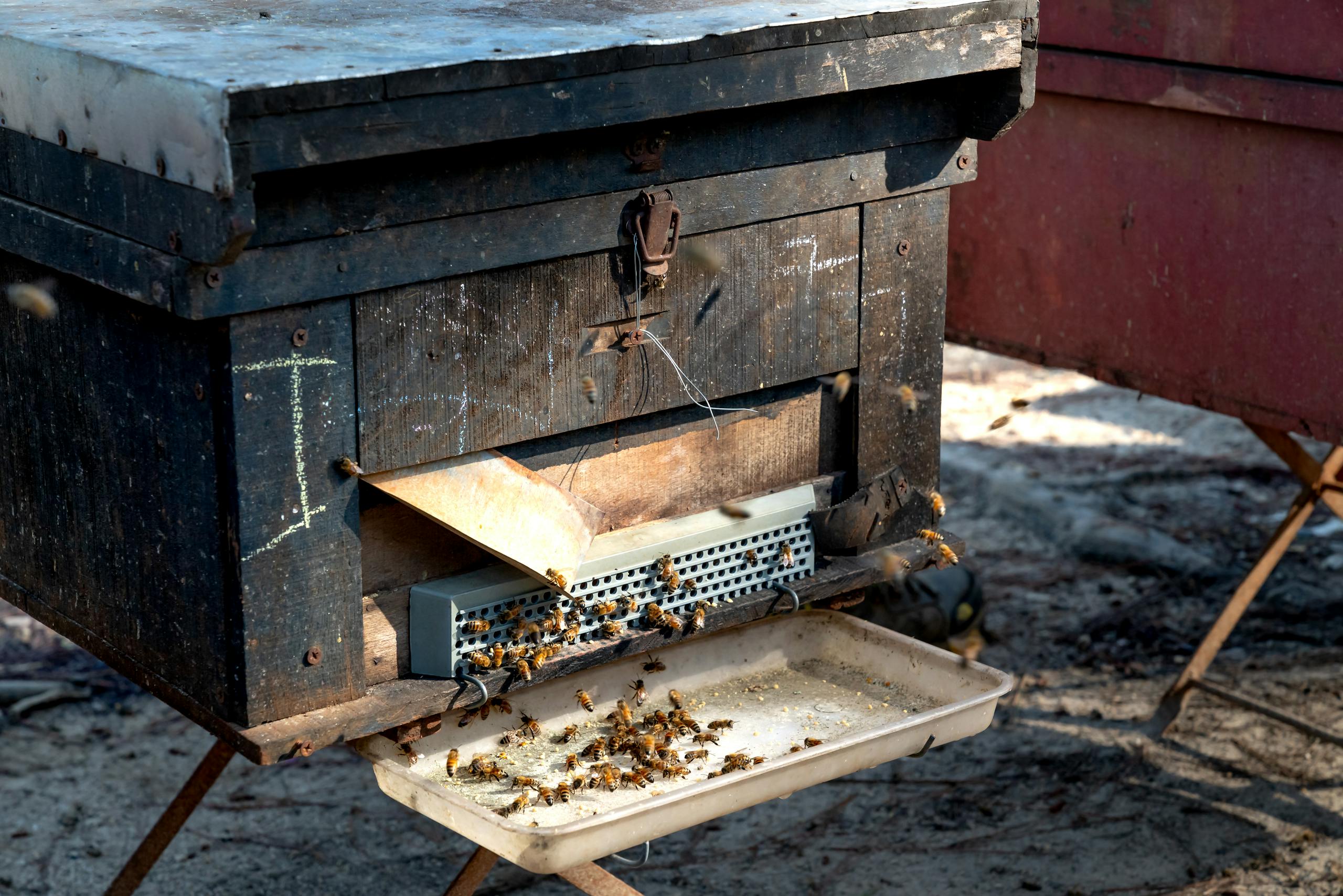
Now let us talk about solutions. These are simple steps you can take to keep your bees at home.
1. Choose the Right Location for Your Hive
Where you place your hive matters a lot.
Put the hive in a spot that gets morning sun and afternoon shade. Morning sun helps bees wake up early and start working. Afternoon shade keeps the hive from overheating.
Make sure the entrance faces east or south. This protects the hive from strong winds.
Keep the hive away from loud noises and heavy traffic. Also keep it away from areas where people use pesticides.
Place the hive near a clean water source. Bees need water every day. If there is no natural water nearby, provide a shallow dish with stones for them to land on.
2. Provide Enough Food
Bees need food all year round. During times when flowers are scarce, you must feed them.
Sugar syrup is a good option. Mix one part sugar with one part water. Put the syrup in a feeder inside the hive. This gives bees energy to build comb and feed the young.
Do not feed bees honey from other hives. This can spread diseases. Use only sugar syrup or special bee feed.
Check the food stores often. If the hive is light on honey, add more syrup right away.
3. Control Pests and Diseases
Pest control is one of the most important jobs for a beekeeper.
Check your bees for Varroa mites regularly. You can do this by using a sticky board or by doing a sugar shake. If you find mites, treat the hive with an approved treatment like oxalic acid or formic acid.
For small hive beetles, keep your hive strong. A strong colony can defend itself against beetles. You can also use beetle traps inside the hive. These traps catch the beetles without harming the bees.
Keep the hive clean. Remove old combs that are dark and dirty. These can hide diseases and pests.
4. Make the Hive Comfortable
A comfortable hive is a happy hive.
Ensure good ventilation. Use a screened bottom board to let air flow through. This also helps with humidity control.
If you live in a hot area, paint your hives white. White reflects sunlight and keeps the hive cooler.
Use a shade cloth or place the hive under a tree. This can lower the temperature inside by several degrees.
Do not use strong chemicals near the hive. Avoid paint, glue, or treated wood that gives off fumes.
5. Minimize Disturbances
Do not open the hive more than once a week. Each time you open it, you stress the bees.
When you do inspect the hive, move slowly and gently. Use smoke sparingly. Too much smoke can also cause bees to leave.
Keep pets and loud machines away from the apiary. If you need to mow the lawn, do it early or late in the day when bees are less active.
6. Use a Queen Excluder
A queen excluder is a mesh screen that keeps the queen from going into the honey supers. This can help in two ways.
First, it prevents the queen from laying eggs in the honey storage area. This keeps your honey clean.
Second, it helps manage the colony size. A smaller, well-organized colony is less likely to swarm or abscond.
7. Add More Space When Needed
As your colony grows, it will need more room. A crowded hive is a stressed hive.
Add extra boxes called supers on top of the hive. This gives bees more space to build comb and store honey. When bees have enough room, they are less likely to leave.
You can also split a strong colony into two hives. This gives you more colonies and reduces overcrowding.
What to Do If Your Bees Have Already Left
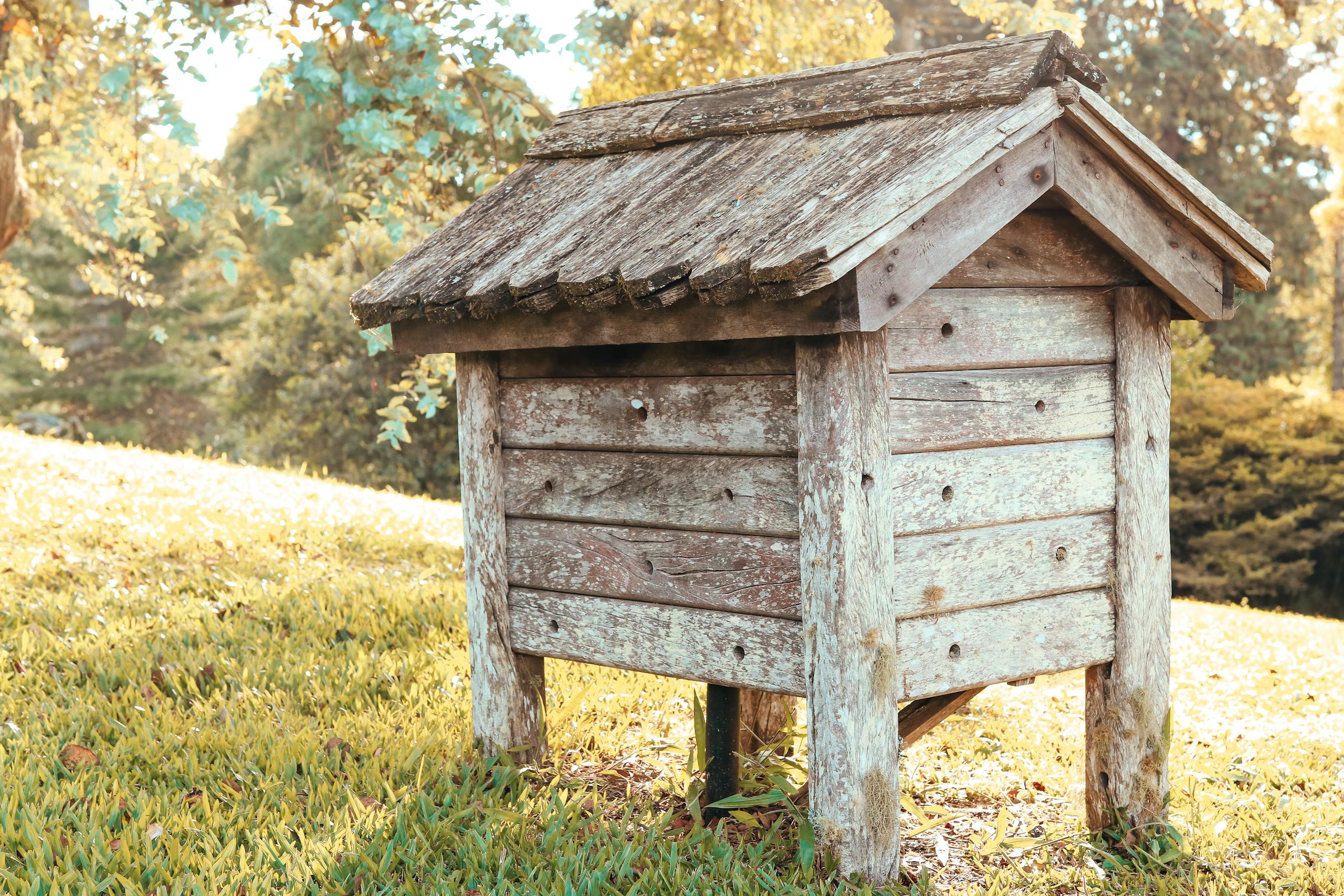
If you find an empty hive, do not lose hope. Here is what you should do.
First, clean the hive completely. Remove all old combs. Scrape off any wax and propolis. This removes any smells or pests that might have caused the bees to leave.
Second, store the clean equipment in a dry place. You can use it again later.
Third, find out why the bees left. Check the area for pesticides. Look at nearby flowers. Is there enough food and water? Fix the problem before you get new bees.
Finally, get new bees from a trusted local supplier. When you put them in the hive, give them sugar syrup right away. This helps them start building comb and gives them a reason to stay.
Swarming vs. Absconding: A Quick Recap
| Feature | Swarming | Absconding |
|---|---|---|
| What happens | Part of the colony leaves | The whole colony leaves |
| Queen cells left behind? | Yes | No |
| Brood left behind? | Yes | Sometimes |
| Is it natural? | Yes | No, it is a sign of stress |
Knowing the difference helps you respond correctly. Swarming can be managed with more space and splitting. Absconding needs a full check of your hive conditions.
Final Thoughts
Keeping bees is a rewarding experience. But it comes with challenges. Bees leaving the hive is one of the most frustrating problems a beekeeper can face.
The good news is that you can prevent it. Give your bees a good home. Feed them when food is scarce. Protect them from pests and diseases. Do not disturb them too often.
When you treat your bees well, they will stay and reward you with honey and the joy of watching them work.
If you want to learn more about beekeeping, visit us at zendric.com.ng. We have guides and resources to help you succeed.
Happy beekeeping!
About the Author
Peter Uzodimma is a beekeeper and writer at Zendric. He has helped many beekeepers in Nigeria and beyond keep their bees healthy and productive. When he is not working with bees, he writes about sustainable farming and small business ideas.