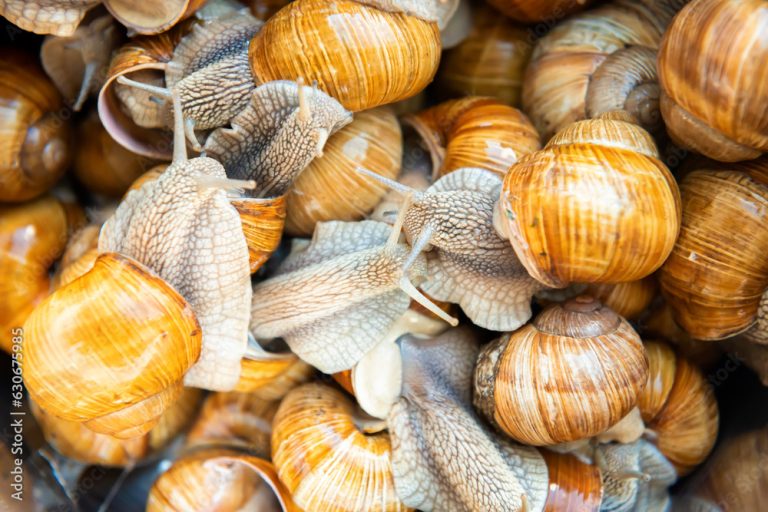
Where to Buy Healthy Foundation Snails in Port Harcourt: Your Complete Guide to Starting Right

Starting a snail farm in Port Harcourt can change your financial future. But success depends on one crucial decision – where to buy healthy foundation snails in Port Harcourt.
After training over 500 farmers across Rivers State and working at Odeda Farm Institute for more than a decade, I’ve seen too many beginners make costly mistakes with poor foundation stock.
Last month, I met Chioma, a teacher from Rumuokwuta who lost ₦180,000 because she bought diseased snails from a roadside vendor.
Her entire stock died within three weeks. This heartbreak could have been avoided with proper guidance.
In this comprehensive guide, I’ll share exactly where to find quality foundation snails in Port Harcourt, what to look for, and how to avoid the common traps that catch new farmers.
These insights come from real experience training farmers from Eleme to Obio-Akpor, not textbook theory.
Understanding Foundation Snails: Your Farm’s Future Depends on This Choice
Foundation snails are the breeding stock that determines your entire farm’s success. Think of them as the parents of your future generations.
Poor foundation stock means poor offspring, disease problems, and financial loss.
During my workshops at Port Harcourt Polytechnic, I always tell participants this simple truth: “Your foundation snails are like seeds.
Plant bad seeds, harvest disappointment.” This isn’t just motivational talk – it’s agricultural reality based on soil science and genetics.
Where to buy healthy foundation snails in Port Harcourt becomes critical because these snails will reproduce for years.
One healthy breeding pair can produce over 100 offspring annually under proper conditions.
Conversely, diseased foundation stock can wipe out months of investment in just weeks.
The three main species suitable for Nigerian climate are Achatina achatina (Giant African snail), Achatina marginata (Big black snail), and Archachatina marginata (Giant West African snail).
Each has different characteristics, but all require healthy foundation stock to thrive.
Top 5 Reliable Places to Buy Foundation Snails in Port Harcourt

After years of connecting farmers with quality suppliers, I’ve identified the most trustworthy sources for foundation snails in Port Harcourt and surrounding areas.
1. Rivers State Agricultural Development Programme (RSADP) – Mile 3
RSADP remains the most reliable government source for certified foundation snails.
Located along Aba Road, they maintain strict quality standards and provide health certificates with each purchase.
During my visit last December, I observed their quarantine protocols firsthand. Every batch undergoes 14-day health monitoring before sale.
Their foundation snails come from certified parent stock, reducing disease risk significantly.
Contact details:
- Address: Aba Road, Mile 3, Port Harcourt
- Phone: 084-232-456 (verify current number)
- Operating hours: Monday-Friday, 8:00 AM – 4:00 PM
- Price range: ₦800-₦1,200 per snail
The main advantage of buying from RSADP is their technical support. They provide aftercare advice and can connect you with extension agents for ongoing guidance.
2. University of Port Harcourt (UNIPORT) Agricultural Research Farm
UNIPORT’s research farm produces some of the highest quality foundation snails in the region. Their breeding program focuses on size, reproduction rates, and disease resistance.
Professor Adaeze Okoro, who leads their snail research program, shared this insight during our collaboration:
“Our foundation snails undergo genetic screening to ensure optimal characteristics. We’re not just selling snails; we’re providing superior breeding stock.”
The university farm is located within the main campus at Choba. Their foundation snails typically cost ₦1,000-₦1,500 each, but the investment pays off through better reproduction rates and healthier offspring.
Benefits of UNIPORT stock:
- Scientifically selected breeding pairs
- Health certification included
- Access to research-based feeding recommendations
- Ongoing technical support from agriculture students
3. Mercy Snail Farm – Rumuokwuta
Mercy Okoli operates one of Port Harcourt’s most successful commercial snail farms.
Her operation in Rumuokwuta has supplied foundation stock to farmers across Rivers, Bayelsa, and Akwa Ibom states.
I first met Mercy during a training session in 2019. She started with just 20 foundation snails and now maintains over 5,000 breeding stock.
Her success comes from careful selection and proper breeding protocols.
“I don’t just sell snails,” Mercy explains. “I sell success. Every foundation snail from my farm comes with a health guarantee and my personal phone number for support.
Her farm offers:
- Foundation snails: ₦700-₦1,000 each
- Breeding pairs: ₦1,800-₦2,500
- Health guarantee for 30 days
- Free delivery within Port Harcourt for orders above ₦50,000
4. Blessed Agro Ventures – Oyigbo
Located along the East-West Road in Oyigbo, Blessed Agro Ventures specializes in foundation snails and complete farming packages.
Emmanuel Okoro, the farm manager, has over 8 years of experience in commercial snail production.
During a recent farm visit, I was impressed by their quarantine facilities and record-keeping system. Every snail is tagged, and breeding records are maintained for genetic tracking.
Their foundation snails range from ₦600-₦900 each, making them one of the most affordable quality sources.
They also offer training packages that include 50 foundation snails, feeding materials, and a 2-day intensive workshop.
5. Green Gold Snail Farm – Eleme
Dr. Samuel Nwafor established Green Gold Snail Farm after retiring from the Ministry of Agriculture.
His scientific approach to breeding has produced some of the most productive foundation stock in the region.
The farm maintains three separate breeding populations to prevent inbreeding and ensure genetic diversity.
Their foundation snails consistently produce larger clutches and show better survival rates.
Where to buy healthy foundation snails in Port Harcourt often leads serious farmers to Green Gold because of their reputation for quality.
Their prices range from ₦1,200-₦1,800 per snail, but customer testimonials consistently praise the superior performance of their stock.
What to Look for When Buying Foundation Snails
Selecting healthy foundation snails requires knowledge that comes from experience.
During my years training farmers, I’ve developed a systematic approach to snail evaluation that prevents costly mistakes.
Physical Health Indicators
Healthy foundation snails display specific physical characteristics that indicate good breeding potential.
The shell should be intact without cracks, holes, or unusual markings that might indicate disease or poor nutrition.
The snail’s body should be proportionate to its shell size. An oversized body relative to the shell often indicates internal problems or nutritional imbalances.
Conversely, a body that seems small for the shell size might suggest chronic health issues.
Active movement is crucial. Healthy snails respond quickly to gentle touch and retract fully into their shells when disturbed.
Sluggish movement or failure to retract can indicate illness or stress.
The mucus trail should be clear and consistent. Cloudy, colored, or excessive mucus often signals infection or digestive problems that could spread to your entire stock.
Age and Size Considerations
Foundation snails should be sexually mature but not too old. The ideal age range is 8-18 months, when they’re entering their peak reproductive years.
Very young snails may not breed consistently, while older snails have reduced reproductive capacity.
Size varies by species, but generally, Achatina achatina should measure at least 15cm in length, while Achatina marginata should be at least 12cm.
These measurements ensure the snails have reached breeding maturity.
Weight is equally important. A mature Achatina achatina should weigh 200-300 grams, while Achatina marginata should weigh 150-250 grams.
Underweight snails may have health issues that affect breeding performance.
Breeding History and Documentation
Reputable sellers maintain breeding records that show the lineage and performance history of their foundation stock.
This documentation helps you avoid inbreeding and select the most productive genetic lines.
Ask for information about the parent stock’s reproductive performance, including average clutch size, hatching rates, and offspring survival.
This data predicts your foundation snails’ likely performance.
Health certificates from veterinarians or agricultural extension agents provide additional assurance.
While not always available, these documents indicate the seller’s commitment to quality.
Common Mistakes When Buying Foundation Snails (And How to Avoid Them)
Throughout my training career, I’ve seen the same mistakes repeated by eager beginners. Understanding these pitfalls can save you significant money and disappointment.
Mistake #1: Buying from Unverified Roadside Vendors
The most common mistake is purchasing from roadside vendors who offer attractive prices but no quality guarantees.
These sellers often collect wild snails that carry diseases and parasites unsuitable for farming.
Last year, I helped Emeka from Rumuokwurusi recover from this mistake. He bought 100 “foundation snails” for ₦30,000 from a roadside vendor.
Within two weeks, 80% died from parasitic infections that spread rapidly through his farm.
Solution: Always buy from established farms or certified dealers who can provide health documentation and breeding records.
Mistake #2: Focusing Only on Price
While budget considerations are important, the cheapest foundation snails often prove most expensive in the long run.
Poor quality stock results in low reproduction rates, high mortality, and frequent health problems.
Consider this calculation: Healthy foundation snails costing ₦1,000 each that produce 60 offspring annually generate better returns than ₦500 snails that produce only 20 offspring with high mortality rates.
Solution: Evaluate total cost of ownership, including expected reproductive performance and health management expenses.
Mistake #3: Ignoring Species Mixing
Many beginners buy mixed species without understanding compatibility and management requirements.
Different species have varying environmental needs, breeding behaviors, and growth rates.
Where to buy healthy foundation snails in Port Harcourt should always include discussions about species selection based on your specific goals and resources.
Mixing species without proper knowledge leads to management complications and reduced productivity.
Solution: Choose one species for your initial farm and master its management before expanding to additional species.
Price Guide and Budgeting for Foundation Snails
Understanding current market prices helps you budget appropriately and recognize fair deals versus overpricing or suspiciously low prices that indicate quality problems.
| Source Type | Price Range (₦) | Quality Level | Additional Services |
|---|---|---|---|
| Government Agencies | 800-1,200 | High | Technical support, health certificates |
| University Farms | 1,000-1,500 | Very High | Research backing, genetic data |
| Established Commercial Farms | 700-1,000 | High | Health guarantees, aftercare support |
| Certified Private Breeders | 600-900 | Good to High | Training packages, delivery services |
| Roadside Vendors | 200-500 | Poor to Fair | None – buyer beware |
These prices reflect current market conditions in Port Harcourt as of 2024. Expect seasonal variations, with prices typically higher during dry season when breeding activity increases.
Budget at least ₦100,000 for foundation stock if you’re planning a commercial operation with 100-150 breeding snails.
This investment should generate returns within 12-18 months under proper management.
Remember to factor additional costs including transportation, quarantine facilities, initial feeding, and veterinary consultation if problems arise.
Seasonal Price Variations
Foundation snail prices fluctuate throughout the year based on breeding cycles and demand patterns.
The dry season (November-March) typically sees higher prices as snails enter peak breeding condition and demand increases.
During my workshops, I advise farmers to plan purchases during the rainy season (April-October) when prices are more favorable and transport conditions are better for snail health.
However, balance cost savings against optimal timing for your farm establishment.
Starting during the rainy season provides better environmental conditions for acclimatization and early growth.
Transportation and Handling of Foundation Snails
Proper transportation is crucial for maintaining foundation snail health during the critical transition to your farm.
Poor handling during transport can stress snails, making them susceptible to disease and reducing reproductive performance.
Packaging Requirements
Foundation snails require specialized packaging that maintains optimal humidity while providing adequate ventilation.
Use wooden crates lined with damp cloth or paper, ensuring the material is clean and free from chemical treatments.
Avoid plastic containers that trap heat and reduce air circulation. Metal containers can cause temperature fluctuations harmful to snail health.
Traditional baskets lined with banana leaves work well for short distances.
Pack snails individually or in small groups to prevent injury from overcrowding. Large snails should be separated to avoid shell damage during transport.
Distance and Timing Considerations
Transport foundation snails during cooler parts of the day to minimize heat stress. Early morning or evening transport reduces mortality and arrival stress.
For distances within Port Harcourt, transport time should not exceed 2-3 hours. Longer journeys require additional precautions including rest stops and humidity monitoring.
When buying from distant suppliers, where to buy healthy foundation snails in Port Harcourt might actually mean choosing closer sources to minimize transport stress, even if prices are slightly higher.
Post-Transport Care
Upon arrival, place snails in a quiet, shaded area for acclimatization before introducing them to permanent housing.
Avoid immediate feeding, as stressed snails may develop digestive problems.
Provide shallow water dishes for hydration and maintain high humidity (80-90%) for the first 48 hours.
Monitor closely for signs of transport stress including lethargy or unusual mucus production.
Quarantine new foundation snails separately from existing stock for at least 14 days to prevent disease transmission.
This precaution has saved many farmers from devastating losses.
Setting Up Your Foundation Snail Housing

Proper housing for foundation snails creates the environment necessary for successful breeding and long-term productivity.
The housing system you choose affects growth rates, reproduction success, and overall farm profitability.
Housing Options and Requirements
Foundation snails require different housing than growing snails due to their breeding behavior and larger size.
Adult breeding snails need more space and specific environmental conditions for optimal reproduction.
Wooden pens remain the most popular housing choice for foundation snails. Construct pens using hardwood planks that resist moisture damage.
Avoid treated lumber that might contain chemicals harmful to snails.
The ideal pen size for breeding pairs is 2m x 1m x 1m, providing adequate space for movement and egg laying.
Smaller pens restrict natural behavior and reduce breeding success.
Provide drainage systems to prevent waterlogging while maintaining necessary moisture levels.
Raised floors with drainage holes work well, but ensure holes are small enough to prevent escapes.
Environmental Control
Temperature management is critical for foundation snail health and breeding success. Maintain temperatures between 25-28°C for optimal activity and reproduction.
In Port Harcourt’s climate, natural temperatures usually fall within acceptable ranges, but provide shade during hot periods and protection from cold harmattan winds.
Humidity levels should stay between 80-95% for breeding snails. Use water trays, damp substrates, and regular spraying to maintain proper moisture levels.
Ventilation prevents fungal problems while maintaining humidity. Install screened openings near the roof level to allow air circulation without creating drafts.
Substrate and Bedding Materials
Foundation snails require appropriate substrate for egg laying and comfort. The substrate choice affects breeding success, hygiene, and management efficiency.
Loamy soil mixed with sand provides ideal egg-laying conditions. The mixture should hold moisture without becoming waterlogged. Test pH levels, aiming for 6.0-7.0 for optimal shell development.
Coconut fiber makes excellent bedding material, retaining moisture while allowing drainage. It’s also easy to clean and replace when necessary.
Avoid clay soils that become hard when dry and waterlogged when wet. Sandy soils drain too quickly and don’t provide adequate moisture retention.
Add organic matter like decomposed leaves or compost to improve substrate quality.
However, ensure all organic materials are well-decomposed to prevent harmful bacterial growth.
Feeding Your Foundation Snails for Maximum Productivity
Nutrition directly impacts foundation snail health, growth rates, and reproductive performance.
Proper feeding programs ensure consistent breeding and healthy offspring production.
Essential Nutritional Requirements
Foundation snails require balanced nutrition including proteins, carbohydrates, vitamins, and minerals.
Calcium is particularly crucial for shell development and egg production.
Protein requirements increase during breeding season. Provide 18-20% crude protein in the diet, using sources like soybean meal, fish meal, or specialized snail feeds.
Carbohydrates provide energy for daily activities and reproduction. Good sources include cassava, sweet potato, plantain, and corn.
Fresh fruits and vegetables add variety and essential vitamins.
Calcium supplementation is non-negotiable for breeding snails. Provide crushed oyster shells, bone meal, or limestone powder.
Inadequate calcium leads to thin shells and poor egg production.
Feeding Schedules and Quantities
Establish consistent feeding schedules to promote optimal growth and breeding behavior.
Feed adult foundation snails twice daily, morning and evening, when they’re most active.
Provide enough food for consumption within 24 hours. Excess food spoils quickly in humid conditions, creating health hazards and attracting pests.
Adjust feeding quantities based on seasonal activity levels. Increase food during breeding season and reduce during dormant periods.
Monitor food conversion efficiency by tracking growth rates and reproduction performance.
Well-fed foundation snails should maintain steady weight and produce regular egg clutches.
Natural vs. Commercial Feeds
Both natural and commercial feeds have advantages for foundation snail nutrition.
Many successful farmers use combination feeding programs that maximize both cost-effectiveness and nutritional balance.
Natural feeds are readily available and cost-effective. Local materials like pawpaw, watermelon, cassava peels, and plantain provide good nutrition when properly balanced.
Commercial snail feeds ensure consistent nutritional content and reduce preparation time. However, costs can be significant for large breeding populations.
Where to buy healthy foundation snails in Port Harcourt often includes discussions about feeding programs, as nutritional management is crucial for realizing the genetic potential of quality foundation stock.
During training sessions, I recommend starting with natural feeds supplemented with commercial concentrates.
This approach balances cost control with nutritional adequacy.
Health Management and Disease Prevention
Disease prevention is far more effective and economical than treatment after problems develop.
Establishing robust health management protocols protects your foundation snail investment and ensures consistent productivity.
Common Health Problems
Foundation snails face specific health challenges that can devastate breeding programs if not properly managed.
Understanding these problems helps implement effective prevention strategies.
Shell rot is the most common problem, caused by bacterial infections in humid conditions.
Symptoms include dark spots on shells, soft areas, and eventually shell perforation. Prevention involves proper drainage and hygiene maintenance.
Internal parasites affect many wild-caught snails and can spread rapidly through breeding populations.
Symptoms include lethargy, poor appetite, and abnormal mucus production. Quarantine new stock to prevent introduction.
Respiratory infections occur when ventilation is inadequate or humidity levels are excessive.
Affected snails show labored breathing and may remain partially extended from their shells.
Nutritional deficiencies manifest as slow growth, thin shells, and poor reproduction rates.
Ensure balanced nutrition and adequate calcium supplementation to prevent these problems.
Prevention Protocols
Implement systematic prevention protocols based on proven practices from successful commercial operations.
These protocols protect your investment and maintain productive breeding populations.
Weekly health inspections identify problems before they spread.
Examine shells for damage, observe feeding behavior, and check for unusual symptoms. Early detection enables prompt treatment.
Maintain detailed health records for each breeding pen, noting any symptoms, treatments, and outcomes.
These records help identify patterns and improve management decisions.
Quarantine protocols for new stock prevent disease introduction. Isolate new foundation snails for 14-21 days while monitoring for health problems.
Cleaning schedules prevent buildup of harmful organisms.
Remove uneaten food daily, clean water containers weekly, and replace substrates monthly or as needed.
Treatment Options
When health problems occur despite prevention efforts, prompt appropriate treatment minimizes losses and prevents spread to healthy stock.
Consult qualified veterinarians or agricultural extension agents for serious health problems. Self-treatment without proper knowledge often worsens conditions.
Simple treatments for minor problems include improving environmental conditions, adjusting nutrition, and removing affected individuals for specialized care.
Maintain emergency supplies including disinfectants, basic medications, and isolation facilities for sick snails. Quick response often determines treatment success.
Document all treatments and outcomes to build knowledge for future health management decisions.
Building Relationships with Suppliers

Long-term success in snail farming depends partly on strong relationships with reliable foundation snail suppliers.
These relationships provide ongoing access to quality stock and valuable technical support.
Evaluating Supplier Reliability
Reliable suppliers demonstrate consistent quality, honest dealing, and ongoing support for their customers.
Evaluate potential suppliers based on multiple criteria before making significant purchases.
Visit supplier facilities to assess breeding practices, hygiene standards, and record-keeping systems.
Professional operations maintain detailed breeding records and implement systematic health management.
Request references from other farmers who have purchased foundation stock.
Contact these references to learn about their experiences, particularly regarding stock performance and supplier support.
Assess supplier knowledge through technical discussions about breeding, nutrition, and health management.
Knowledgeable suppliers provide valuable guidance that enhances your farming success.
Where to buy healthy foundation snails in Port Harcourt should always include relationship-building considerations, as ongoing partnerships benefit both farmers and suppliers.
Establishing Purchase Agreements
Formal purchase agreements protect both parties and establish clear expectations for stock quality and performance.
While verbal agreements are common, written contracts provide better protection.
Include health guarantees that specify replacement terms if foundation snails die within a reasonable period.
Most reputable suppliers offer 14-30 day guarantees for healthy stock.
Specify delivery terms including packaging requirements, transportation responsibilities, and timing. Clear agreements prevent misunderstandings that could affect snail health.
Negotiate volume discounts for larger purchases or repeat customers. Many suppliers offer better prices for established customers who provide steady business.
Include technical support provisions that specify ongoing consultation availability.
This support can be invaluable during critical periods of farm development.
Maintaining Long-term Partnerships
Strong supplier relationships provide ongoing benefits including priority access to premium stock, technical support, and preferential pricing.
Communicate regularly with suppliers about your farming progress, challenges, and future expansion plans.
This communication helps suppliers understand your needs and provide appropriate support.
Pay promptly according to agreed terms. Reliable payment establishes trust and often results in better service and preferential treatment.
Provide feedback about stock performance to help suppliers improve their breeding programs.
This information benefits the entire snail farming community through better genetics.
Refer other farmers to reliable suppliers. Word-of-mouth referrals are valuable for suppliers and often result in reciprocal benefits for referring customers.
Frequently Asked Questions About Foundation Snails in Port Harcourt
Q: Where can I buy certified foundation snails in Port Harcourt with health guarantees?
A: The most reliable sources for certified foundation snails with health guarantees in Port Harcourt are RSADP at Mile 3, University of Port Harcourt Agricultural Research Farm, and established commercial farms like Mercy Snail Farm in Rumuokwuta.
These sources provide health certificates and typically offer 14-30 day health guarantees.
Government agencies and university farms also provide technical support to help ensure your success with their foundation stock.
Q: How much should I expect to pay for quality foundation snails in Port Harcourt?
A: Quality foundation snails in Port Harcourt typically cost ₦700-₦1,500 per snail, depending on the source and species.
Government agencies charge ₦800-₦1,200, university farms charge ₦1,000-₦1,500, and established commercial farms charge ₦700-₦1,000.
While roadside vendors offer cheaper prices (₦200-₦500), these often result in higher losses due to poor health and breeding performance.
Budget at least ₦100,000 for foundation stock if planning a commercial operation with 100-150 breeding snails.
Q: What should I look for when selecting healthy foundation snails for breeding?
A: Healthy foundation snails should have intact shells without cracks or holes, proportionate body size to shell, active movement with quick retraction when touched, and clear mucus trails.
The ideal age range is 8-18 months for breeding maturity. Achatina achatina should measure at least 15cm and weigh 200-300 grams, while Achatina marginata should be at least 12cm and weigh 150-250 grams.
Always request breeding records and health documentation from reputable sellers.
Q: How do I transport foundation snails safely from Port Harcourt suppliers to my farm?
A: Transport foundation snails in wooden crates lined with damp, clean cloth during cooler parts of the day (early morning or evening).
Avoid plastic containers that trap heat and reduce ventilation. Pack snails individually to prevent injury and limit transport time to 2-3 hours within Port Harcourt area.
Upon arrival, quarantine new snails for 14 days in a quiet, shaded area with high humidity (80-90%) before introducing them to permanent housing.
Q: Which snail species is best for beginners starting farms in Port Harcourt?
A: Achatina marginata (Big black snail) is often recommended for beginners in Port Harcourt due to its adaptability to local climate conditions, moderate size requirements, and consistent breeding performance.
While Achatina achatina grows larger and commands higher market prices, it requires more space and careful management.
Start with one species to master management techniques before expanding to additional species.
Most successful commercial farms in Rivers State focus on Achatina marginata for consistent returns.
Q: How can I verify the reputation of foundation snail suppliers in Port Harcourt?
A: Verify supplier reputation by visiting their facilities to assess breeding practices and hygiene standards, requesting references from other farmers who have purchased their stock, checking for proper business registration and agricultural certifications, and evaluating their technical knowledge through discussions about breeding and health management.
Reliable suppliers maintain detailed breeding records, implement systematic health protocols, and provide ongoing technical support to customers.
Q: What are the common mistakes to avoid when buying foundation snails in Port Harcourt?
A: The most common mistakes include buying from unverified roadside vendors who offer cheap prices but diseased stock, focusing only on price without considering quality and breeding potential, mixing different species without understanding their specific requirements, purchasing immature or overage snails that have poor breeding performance, and failing to quarantine new stock before introducing them to existing populations.
Always prioritize quality over price and buy from established, reputable sources.
Q: How do I establish a relationship with reliable foundation snail suppliers for long-term success?
A: Establish supplier relationships by thoroughly evaluating their facilities and practices, negotiating formal purchase agreements with health guarantees and delivery terms, maintaining regular communication about your farming progress and needs, paying promptly according to agreed terms, and providing feedback about stock performance.
Strong supplier relationships provide ongoing benefits including priority access to premium stock, technical support, volume discounts, and preferential treatment during high-demand periods.
Conclusion: Your Foundation for Success
The decision of where to buy healthy foundation snails in Port Harcourt will determine whether your snail farming venture succeeds or joins the unfortunate statistics of failed agricultural enterprises.
After witnessing hundreds of farmers’ journeys over the past decade, I can confidently say that quality foundation stock is not an expense – it’s an investment in your future prosperity.
The suppliers and strategies outlined in this guide represent years of careful evaluation and practical experience. Each recommendation comes from observing real results, not theoretical possibilities.
RSADP’s consistency, UNIPORT’s scientific approach, and established commercial farms like Mercy Snail Farm have earned their reputations through delivering quality that translates into farmer success.
Remember Chioma’s story from the introduction – her ₦180,000 loss could have been avoided with proper guidance.
But also consider farmers like Emeka Okafor from Eleme, who started with 50 foundation snails from UNIPORT in 2019 and now operates one of Rivers State’s most successful commercial farms.
The difference wasn’t luck; it was starting with quality foundation stock and following proven management practices.
Your journey into snail farming begins with this crucial first step. Choose wisely, invest in quality, and build relationships with reliable suppliers.
The foundation you lay today determines the prosperity you’ll harvest tomorrow.
The knowledge shared here comes from real experience, genuine mistakes, and hard-won victories.
Use it well, and may your snail farming enterprise flourish beyond your expectations.
Success in snail farming isn’t guaranteed, but starting with healthy foundation snails from reputable sources in Port Harcourt gives you the best possible beginning.
The rest depends on your dedication, continuous learning, and commitment to proper management practices.
Your foundation snails are waiting – choose the right ones, and begin building your agricultural legacy today.