
Have you ever watched bees buzzing around a garden and wondered what it would be like to keep them yourself? Maybe you dream of harvesting your own honey. Maybe you want to help the environment by giving bees a safe home. Whatever your reason, you are asking one important question: When is the best time to start beekeeping?
This is not a question with a simple one-word answer. The right time depends on where you live, the weather in your area, and how bees behave through the seasons. But here is the good news: there is a clear answer that works for most people in most places. The best time to start with bees is in the spring or early summer.
In this guide, we will walk through exactly why spring and early summer are the ideal times. We will also talk about what you can do in other seasons to prepare. By the end, you will know exactly when to start and what to do next.
Understanding the Beekeeping Year
Before we dive into the best time to start, let us look at how a year looks for a beekeeper. Bees do not work on a human calendar. They follow the seasons. Understanding this rhythm is the first step to becoming a successful beekeeper.
How Bees Live Through the Seasons
Bees change their behavior as the weather changes. In spring, they wake up from the slower pace of winter and begin building up their colony. The queen lays thousands of eggs. Worker bees fly out to find nectar and pollen from blooming flowers. The colony grows fast.
In summer, the hive is at its strongest. There are many worker bees, and they are busy making honey. This is when beekeepers harvest honey in many places. The bees are active and the hive is full of life.
In fall, the colony starts to slow down. The queen lays fewer eggs. The bees focus on storing enough honey to survive the winter. Beekeepers help by making sure the hive has enough food and is protected from cold weather.
In winter, bees cluster together inside the hive to stay warm. They eat the honey they stored in the fall. The beekeeper should not open the hive unless it is absolutely necessary because letting cold air in can harm the bees.
Knowing this cycle helps you understand why starting at the right time matters so much.
Why Timing Matters for New Colonies
When you start a new bee colony, you are asking the bees to build a new home from scratch. They need time to build honeycomb, raise baby bees, and store food. If you start too late in the year, the bees may not have enough time to get ready for winter. They could starve or freeze.
Starting at the right time gives your bees the best chance to survive and thrive. It also gives you, the beekeeper, a smoother first year. You will face fewer problems and have more time to learn.
Spring and Early Summer: The Ideal Starting Window
For most people in most parts of the world, spring is the absolute best time to start beekeeping. Let us break down exactly why.
Why Spring Gives Bees the Best Chance
Spring is when nature wakes up. Flowers bloom. Trees produce pollen. The weather warms up. For bees, this means there is plenty of food available. A new colony needs lots of nectar and pollen to build comb and raise young bees. Spring provides this in abundance.
When you install a new package of bees or a nucleus colony (nuc) in spring, the bees have months of warm weather ahead of them. They can build up their population slowly and steadily. By the time winter arrives, they will have a strong colony with enough bees and enough stored honey to survive.
Bee suppliers know this too. That is why most bees for sale are available in the spring. Small-scale beekeepers usually pre-order bees in December through February, and the bees are typically available around April. This is not by accident. It matches the natural cycle of the bees.
What Happens If You Start Too Late
Starting in late summer or fall is risky for a new beekeeper. The bees do not have enough time to build a strong colony before winter. Flowers stop blooming, so there is less food available. The bees may struggle to store enough honey to survive the cold months.
If you start too late, you may need to feed the bees sugar syrup all winter to keep them alive. This is possible, but it is harder for a beginner. You are more likely to lose your colony. That is why most experienced beekeepers recommend starting in spring.
A Note on Regional Differences
The exact timing of “spring” depends on where you live. In warm climates like Florida or parts of California, spring may start as early as February or March. In colder northern states or countries, spring may not really arrive until April or even May.
For example, in the southern United States, bees may become active earlier because the weather is milder. In colder regions, you should wait until the risk of hard frost has passed and flowers are blooming.
The best rule is this: watch the plants around you. When you see dandelions blooming and fruit trees flowering, that is a good sign that spring has truly begun for the bees. That is your window to start.
Other Times You Can Start Beekeeping
While spring is the best time, it is not the only time. Let us look at what you can do during other parts of the year.
Late Winter: The Preparation Season
Late winter, roughly December through February in the Northern Hemisphere, is not the time to get bees. But it is the perfect time to prepare. This is when smart beekeepers do their homework.
If you are new to beekeeping, use this quiet time to learn. Read books. Watch videos from trusted sources like the USDA. Join a local beekeeping club. Find a mentor who can guide you through your first year.
You should also order your equipment and bees during this time. As mentioned earlier, many bee suppliers take orders in November or December for spring delivery. If you wait until spring to order, you may find that all the bees are already sold out.
Winter is also a good time to build or repair equipment. You can assemble hives, paint boxes, and get everything ready so that when your bees arrive, you are not scrambling.
Fall: The Risky Choice for Beginners
Fall is a tricky time to start beekeeping. In some very warm climates, it is possible. But for most beginners, it is not recommended.
The problem with fall is that the colony has very little time to prepare for winter. Nectar sources dry up. The queen reduces egg laying. The bees shift into survival mode. If you start a new colony in September or October, the bees may not have enough time to build comb and store honey. They could die during the winter.
Some experienced beekeepers can make it work, especially in areas with mild winters and a good fall nectar flow. But for a first-time beekeeper, the risk is too high. It is much better to wait for spring.
A Month-by-Month Guide for New Beekeepers
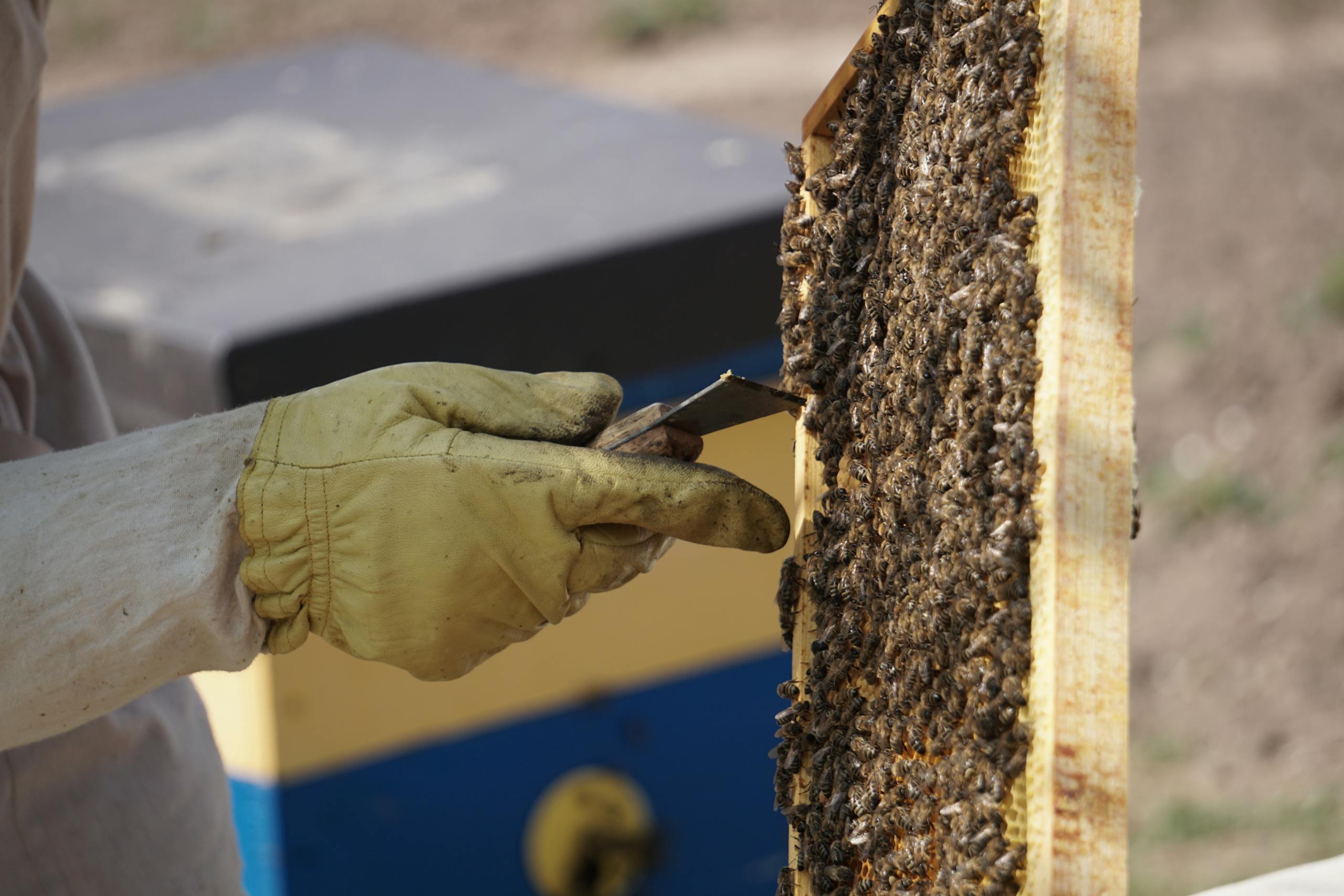
To make this even clearer, here is a simple month-by-month plan for someone who wants to start beekeeping. This guide assumes you live in a temperate climate with four distinct seasons.
December Through February: Learn and Prepare
This is your preparation window. Spend time learning everything you can about bees and beekeeping. The British Beekeepers Association recommends using winter months to read excellent beekeeping books and plan for the season ahead.
During this time, you should also decide what kind of bees you want. Italian honey bees are a good choice for beginners because they are gentle and build up well in spring. You will need to decide between package bees and a nucleus colony (nuc). Package bees are less expensive but take longer to establish. Nucs cost more but give you a head start because they already have comb and brood.
Place your order for bees and equipment. Hives, protective gear, smokers, and hive tools should all be ready before your bees arrive. You do not want to be scrambling at the last minute.
March and April: Get Your Bees
This is go time. In most temperate regions, March and April are the months when new beekeepers receive their bees and install them in the hive.
When you install your bees, you will need to do it on a warm, calm day. Choose a day when the temperature is at least 12 degrees Celsius (about 54 degrees Fahrenheit). Cold bees are grumpy bees, and you want the installation to go smoothly.
Once the bees are in the hive, your job is to support them. You may need to feed them sugar syrup to help them get started. Check the hive after about a week to make sure the queen has been released from her cage and has started laying eggs.
Do not open the hive too often. New beekeepers tend to inspect too much, and this can stress the bees and slow their growth. Once every 7 to 10 days is plenty during the active season.
May and June: Help the Colony Grow
By May and June, your colony should be growing well. You should see eggs, larvae, and capped brood. The bees will be drawing out new comb on the frames you provided.
This is also the time to watch for swarming. Swarming is when half the bees leave with the old queen to start a new colony somewhere else. It is a natural process, but you want to prevent it because it weakens your hive. Signs of swarming include queen cells along the bottom of frames and a very crowded brood box.
If your colony is strong and healthy, you may even get a small honey harvest in late June or early July. But remember, your first year is about learning and building a strong hive, not about how much honey you can take.
July and August: The First Honey Harvest
If everything has gone well, July and August are when you might harvest your first honey. Wait until the honey frames are fully capped with wax. This means the moisture content is low enough that the honey will not spoil.
Do not take too much. Your bees need honey to survive the winter. A good rule is to leave at least 40 to 50 pounds of honey in the hive for the bees. For a first-year colony, you may not harvest any honey at all. That is okay. The goal is to get the colony through its first winter.
September and October: Prepare for Winter
As summer ends, your focus shifts to winter preparation. Check the hive for pests and diseases. Varroa mites are a major threat to honey bees, and you should treat for them if needed.
Make sure the hive has enough stored honey. If not, you may need to feed the bees a thick sugar syrup or fondant. Reduce the entrance size to keep mice out. Make sure the hive is protected from strong winter winds.
This is also a good time to reflect on what you learned during your first season. Keep notes on what worked and what did not. Next year will be easier.
November: Let the Bees Rest
By November, your bees should be clustered inside the hive staying warm. Your job now is to leave them alone. Do not open the hive in cold weather. You can check on them by gently lifting the back of the hive to feel how heavy it is. A heavy hive means they still have honey. A light hive means you may need to provide emergency feed.
This quiet time is also when you can start planning for next year. Maybe you want to add a second hive. Maybe you want to try a different breed of bee. Use the winter to learn and prepare.
What About Beekeeping in Nigeria and Other Tropical Regions?
The seasonal guide above works best for temperate climates with cold winters. But what about places like Nigeria, where the weather is warm all year round?
In tropical regions, bees are active throughout the year. There is no true winter. Instead, the beekeeping calendar follows the rainy and dry seasons.
In Nigeria, for example, there are typically two honey harvest cycles per year. Each cycle takes about 4 to 6 months from the time bees colonize the hive until the honey is ready. The best time to start is usually just before a major flowering season, when nectar and pollen are abundant.
Because there is no winter die-off, you can start a new colony at almost any time of year in tropical regions, as long as there are flowers blooming. However, you should avoid starting during the peak of the rainy season, when heavy rains can stress a new colony and make it hard for bees to forage.
If you live in a tropical climate like Nigeria, talk to local beekeepers or agricultural extension officers. They can tell you the best months for your specific area.
Common Mistakes New Beekeepers Make With Timing
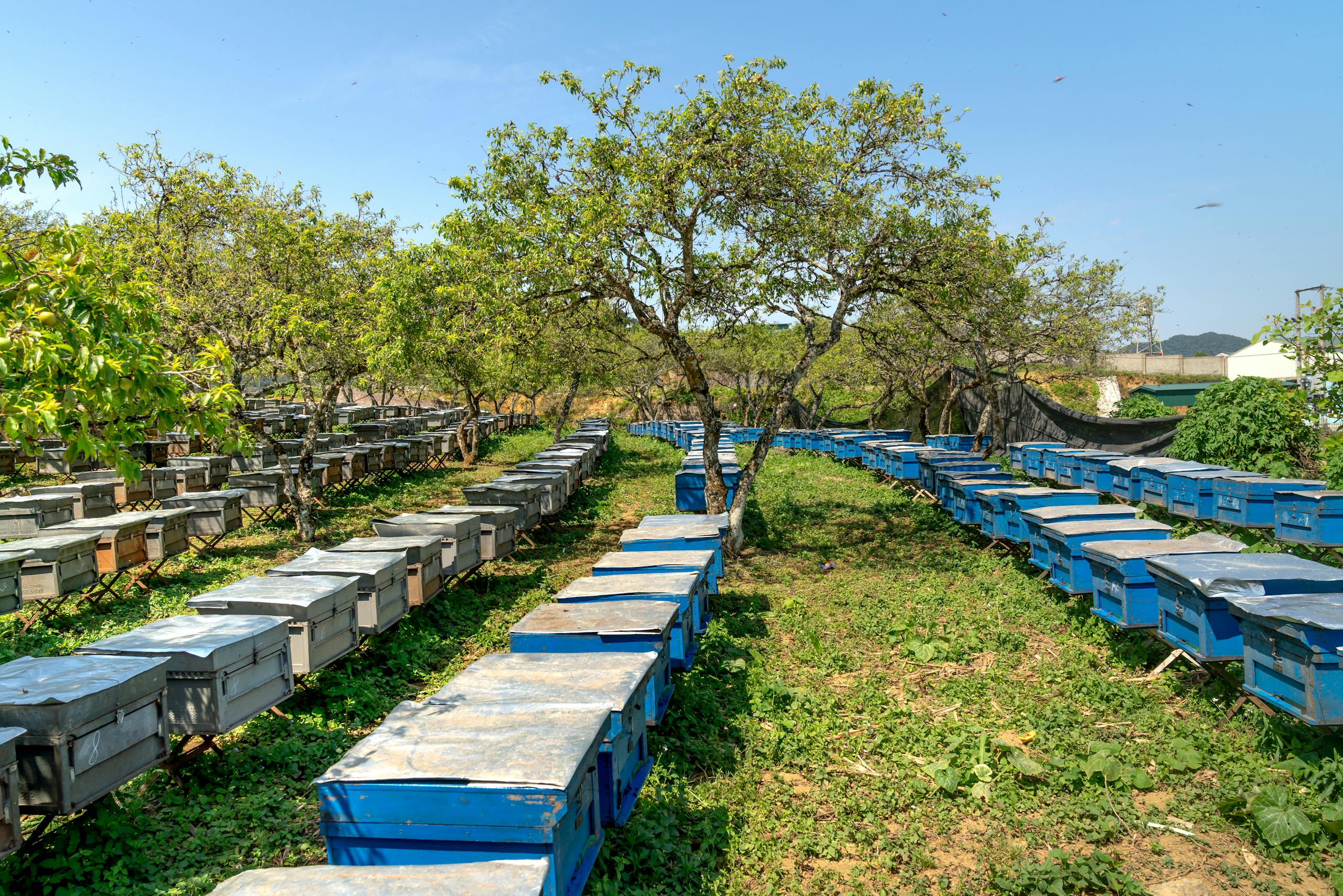
Let me share a few common mistakes so you can avoid them.
Waiting too long to order bees. Many beginners decide in April that they want bees and then discover that all the suppliers are sold out. Order in November, December, or January for spring delivery.
Starting in late summer or fall. This is the number one timing mistake. Unless you live in a very warm climate with year-round flowers, starting late in the year is a recipe for a dead colony.
Not preparing ahead of time. You should have all your equipment assembled and ready before your bees arrive. You do not want to be painting hive boxes while your package of bees sits in your garage.
Inspecting too often in cold weather. Bees need to keep the hive warm. Opening the hive on a cold day can chill the brood and kill developing bees. Wait for warm, sunny days.
Why Trust This Information
You might be wondering, “Why should I trust this advice?” Good question. Let me tell you where this information comes from.
This guide draws on information from trusted sources including the British Beekeepers Association, the University of Delaware’s MAAREC program, the Alabama Cooperative Extension System, and the University of Florida IFAS Extension. These are respected agricultural and educational institutions with decades of experience in beekeeping research and education.
The author, Peter Uzodimma, is committed to providing accurate, research-backed information for people who want to start keeping bees. At Zendric, we believe that everyone should have access to clear, honest guidance whether you are starting a small backyard hive or planning a larger apiary.
Conclusion: The Bottom Line on Timing
So, when is the best time to start beekeeping?
The best time is spring. Specifically, early to mid-spring, when flowers are blooming and the weather has warmed up. For most people in temperate climates, this means March, April, or May. In tropical regions, aim for the start of a major flowering season.
The second best time is late winter. Not for getting bees, but for preparing. Use January and February to learn, order equipment, and find your bees.
The worst time is fall. Avoid starting a new colony in September or later unless you live in a warm climate and have guidance from an experienced local beekeeper.
Here is a simple checklist to help you plan:
December to February: Read books, watch videos, join a beekeeping club, order bees and equipment.
March to April: Install your bees, feed them if needed, perform gentle inspections.
May to June: Watch for swarming, help the colony grow, maybe harvest a little honey.
July to August: Harvest honey if the colony is strong, treat for pests.
September to October: Prepare for winter, check food stores, protect the hive.
November: Let the bees rest, plan for next year.
Beekeeping is a rewarding hobby and a meaningful way to help the environment. But like any new skill, it requires patience and good timing. By starting at the right time, you give your bees and yourself the best chance for a successful first year.
Remember: a healthy, well-timed start is the foundation of a thriving hive. Good luck, and happy beekeeping!
Disclaimer: This post is for informational purposes only. Beekeeping practices vary by location, climate, and local regulations. Always consult with local beekeeping experts or agricultural extension services before starting your apiary.