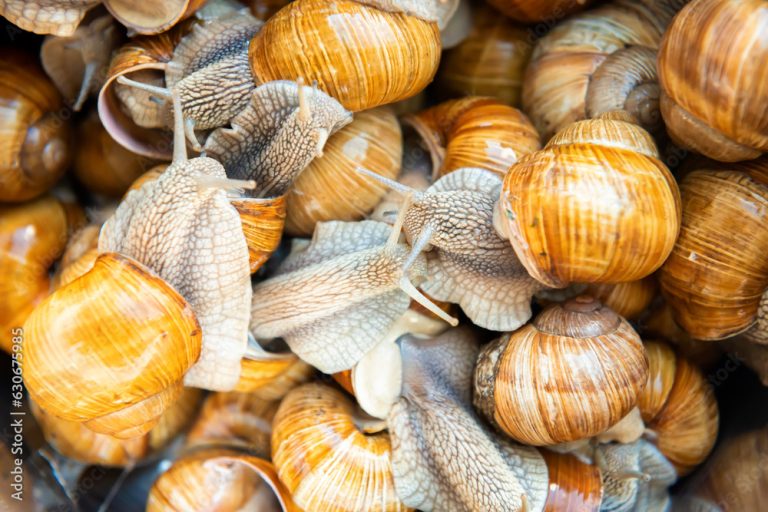
Is It Profitable to Start Snail Farming with Achatina Fulica in Nigeria?

I’m Peter Ezebube from Zendric Snailery in Ogun State.
I’ve trained over 300 farmers at Odeda Farm Institute since 2014.
Today, I’ll share everything about snail farming with Achatina Fulica in Nigeria.
This isn’t theory. It’s what I’ve seen work on real farms.
Why Achatina Fulica Gets All the Attention
Achatina fulica is the giant African snail everyone talks about.
It grows fast. It breeds quickly. It survives harsh Nigerian weather.
But is it really profitable? Let me break it down.
I remember my first batch in 2015. I started with 50 snails.
Within eight months, I had over 400 snails ready for market.
That’s when I knew this species had serious money-making potential.
What Makes Achatina Fulica Special
This snail species adapts well to Nigerian climate conditions everywhere.
It eats almost anything. Pawpaw leaves, cassava peels, even overripe fruits.
The shell grows thick and strong within six to eight months.
Each snail lays between 200 to 400 eggs per clutch.
They can lay eggs three to four times yearly under good conditions.
Compare that to Achatina marginata which grows slower but tastes better.
Fulica wins on speed. Marginata wins on market preference and price.
Real Numbers from My Farm Records
Let me show you actual data from my Eweje farm location.
I keep detailed records of every batch I raise each year.
Table 1: Achatina Fulica Growth & Profit Data (2023-2024)
| Batch Size | Start Month | Months to Market | Survival Rate | Total Harvest | Revenue (₦) | Profit (₦) |
|---|---|---|---|---|---|---|
| 100 snails | January 2023 | 8 months | 82% | 82 snails | 164,000 | 98,400 |
| 150 snails | May 2023 | 7 months | 78% | 117 snails | 234,000 | 140,400 |
| 200 snails | September 2023 | 8 months | 85% | 170 snails | 340,000 | 204,000 |
| 250 snails | January 2024 | 7 months | 80% | 200 snails | 400,000 | 240,000 |
Note: Market price averaged ₦2,000 per snail (medium-large size)
These numbers prove one thing clearly to any serious farmer.
Achatina fulica can generate consistent income when managed properly and carefully.
The Honest Truth About Profitability

Not every farmer makes money with snail farming with Achatina fulica.
Some lose their entire investment within the first three months.
I’ve seen it happen at workshops and training sessions repeatedly.
The difference? Knowledge, dedication, and avoiding common mistakes that kill snails.
Startup Costs: What You Really Need
Many online guides give you inflated figures that scare beginners away.
Let me share realistic costs based on current Nigerian market prices.
Basic Setup for 100 Snails:
- Wooden hutch box (4×3 feet): ₦25,000 to ₦35,000
- Quality breeding stock (100 snails): ₦30,000 to ₦50,000
- Feeding for 8 months: ₦15,000 to ₦20,000
- Soil and bedding materials: ₦5,000 to ₦8,000
- Pest control and supplements: ₦10,000 to ₦15,000
Total startup cost: ₦85,000 to ₦128,000
You can start smaller with just 50 snails for learning.
I always tell my students at Odeda Farm Institute this advice.
Start small. Learn the process. Scale up when you understand everything.
Monthly Running Costs After Setup
Feed costs stay low because snails eat kitchen waste mostly.
I spend about ₦2,000 monthly on supplements like calcium and eggshells.
Water costs almost nothing if you collect rainwater during wet seasons.
Your biggest expense becomes time and daily attention to details.
One farmer I trained in Abeokuta, Mrs. Folake, spent only ₦18,000 total.
She fed her snails mostly with cassava leaves from her backyard farm.
Within nine months, she sold 65 mature snails at ₦130,000 total.
Her profit was ₦112,000 from a very small backyard space setup.
Market Demand: Who’s Buying Your Snails?
This question determines if you’ll make money or just raise pets.
Snail farming with Achatina fulica only works when buyers exist nearby.
I’ve identified six major customer categories in Nigerian snail markets.
Hotels and Restaurants
Upscale hotels in Lagos, Ibadan, and Abuja buy snails weekly.
They prefer large, clean snails weighing 300 grams and above consistently.
One hotel manager in Ikeja told me they buy 200 snails monthly.
They pay ₦2,500 per snail for consistent supply and quality standards.
Pro tip: Build relationships before your snails reach market size.
Local Pepper Soup Spots
These small eateries buy smaller snails at lower prices always.
They pay between ₦800 to ₦1,200 per snail depending on location.
Volume matters here. They buy 50 to 100 snails every week.
The owner of Mama Cass Kitchen in Mowe buys from me monthly.
She serves snail pepper soup that keeps customers coming back regularly.
Individual Buyers and Families
Nigerians love snail delicacies, especially during festive periods and celebrations.
December sales triple compared to normal months like February or March.
Easter and Christmas create massive demand that exceeds supply every year.
I sold 150 snails in December 2023 at ₦2,200 each easily.
The same size sold for ₦1,800 in July when demand dropped.
Exporters and Aggregators
Some buyers collect snails from multiple farmers for export purposes.
They ship to Europe, America, and other African countries legally.
They need large quantities. At least 500 snails monthly minimum usually.Nigeria leads Africa in snail production with over 45,000 metric tons harvested annually.
Export markets in the UK and USA buy Nigerian snails regularly.
These buyers inspect farms personally before signing any supply agreements carefully.
Quality control becomes very important when dealing with export customers always.
Common Mistakes That Kill Profits Fast
I’ve watched farmers lose money because they ignored basic rules repeatedly.
These mistakes happen in the first three months of starting farms.
Snail farming with Achatina fulica requires attention to small details daily.
Mistake 1: Poor Housing and Ventilation
Many beginners build tight boxes without proper airflow or drainage systems.
Snails need fresh air. They die in stuffy, hot conditions quickly.
One farmer in Ijebu-Ode lost 70 snails in one week this way.
His wooden box had no ventilation holes at all on any side.
The snails suffocated and died from heat stress and ammonia buildup.
Solution: Drill holes on all sides. Use wire mesh for covers.
Mistake 2: Overfeeding and Food Waste
Some farmers think more food equals faster growth and bigger snails.
Wrong. Leftover food attracts ants, flies, and harmful bacteria quickly.
Remove uneaten food after 24 hours every single day without fail.
I learned this the hard way in my second year of farming.
I lost 15 snails to bacterial infection from rotten pawpaw leaves.
Mistake 3: Using Wrong Soil Type
Sandy soil dries too fast. Clay soil holds too much water.
Achatina fulica needs loamy soil mixed with humus or compost material.
The soil should be moist but not waterlogged or muddy ever.
Test the soil by squeezing it in your hand gently first.
If water drips out, it’s too wet for snail farming completely.
If it crumbles immediately, it’s too dry and needs more moisture.
Mistake 4: Buying Sick or Weak Stock
Never buy snails from roadside sellers or random bush collectors.
You don’t know their health history, diet, or breeding background completely.
I always advise students to buy from established farms with records.
At Zendric Snailery, we provide health certificates for all breeding stock sold.
Sick snails infect your entire farm within days or weeks maximum.
One infected snail can wipe out 50 healthy ones very quickly.
Mistake 5: Ignoring Calcium Supplementation
Calcium builds strong shells. Without it, shells crack and break easily.
Weak shells make snails vulnerable to predators and handling damage always.
I add crushed eggshells, limestone powder, and bone meal weekly consistently.
Mrs. Adenike from Sagamu learned this lesson after losing 40 snails.
Their shells were paper-thin because she never added calcium supplements.
Pro tip: Grind eggshells into fine powder. Mix with their food.
How to Calculate Your Expected Profit
Let me show you real math based on current Nigerian market conditions.
This helps you know if snail farming with Achatina fulica makes sense.
We’ll use a small farm of 100 snails as our example.
Initial Investment Breakdown
Startup costs for 100 Achatina fulica snails:
- Breeding stock (100 snails at ₦400 each): ₦40,000
- Wooden hutch construction: ₦30,000
- Loamy soil and bedding setup: ₦7,000
- Feeding for 8 months: ₦18,000
- Supplements (calcium, vitamins): ₦12,000
- Water and maintenance: ₦8,000
Total investment: ₦115,000
Revenue Projection (Conservative Estimate)
Assuming 80% survival rate after eight months of careful farming:
- Surviving snails: 80 snails
- Average selling price: ₦2,000 per snail
- Total revenue: ₦160,000
Net profit: ₦45,000 (39% return on investment)
This doesn’t include eggs laid by your snails during this time.
Each snail can lay 200 to 400 eggs per clutch easily.
If 50 snails lay eggs, you could have 10,000 baby snails.
Even at 50% hatchling survival, that’s 5,000 new snails for free.
Using Our Profit Calculator Tool
I built a free tool at Zendric Snailery to help farmers plan.
Visit our Snail Farm Profit Calculator to get accurate projections instantly.
Just enter your startup costs, snail quantity, and selling price carefully.
The calculator shows monthly cash flow and break-even points automatically.
I’ve helped over 100 farmers plan their investments using this tool.
Feeding Achatina Fulica for Maximum Growth
What you feed your snails determines their growth speed significantly.
Achatina fulica eats almost anything but thrives on specific foods.
I’ve tested different feeding programs for over eight years personally.
Best Foods for Fast Growth
Fruits (feed 2-3 times weekly):
- Overripe pawpaw (their absolute favorite food)
- Ripe banana and plantain peels
- Watermelon rinds and mango
- Pineapple scraps (in small amounts)
Vegetables (feed daily):
- Pumpkin leaves (ugu leaves)
- Cabbage and lettuce
- Cassava leaves (from my farm in Eweje)
- Spinach and water leaf
Supplements (provide 3 times weekly):
- Crushed eggshells for calcium
- Bone meal powder
- Cuttlefish bone (sold in pet shops)
- Limestone powder
Feeding Schedule That Works
Morning feeding (6-7 AM): Fresh vegetables and leaves mostly.
Evening feeding (6-7 PM): Fruits and calcium supplements together.
Remove all uneaten food before the next feeding time always.
Never leave decaying food in the pen overnight or longer.
I feed my snails every day except Sundays for observation.
On Sundays, I check shells, weigh random snails, and inspect pens.
Foods to Avoid Completely
Never feed these to your snails:
- Salty foods (kills them within hours)
- Sugary processed foods
- Onions or garlic (toxic to snails)
- Citrus fruits like oranges (too acidic)
- Starchy foods like bread or rice
One farmer fed his snails garri mixed with salt accidentally.
He lost his entire farm of 120 snails in one night.
Salt dehydrates snails and burns their soft body tissue fatally.
Health Management and Disease Prevention
Healthy snails grow faster and fetch better prices in markets.
Disease prevention costs less than treatment or replacement always.
I’ve developed simple health protocols that work perfectly in Nigeria.
Common Health Problems
Shell cracks and breaks:
Usually from falls, poor handling, or calcium deficiency issues.
Fix with crushed eggshell paste applied directly on cracks carefully.
Isolate the snail until the shell repairs itself naturally.
Respiratory infections:
Caused by poor ventilation, ammonia buildup, or dusty environments.
Snails produce excessive slime and stop eating completely.
Parasites and worms:
Tiny white worms sometimes appear in very wet soil conditions.
They feed on snail eggs and weak snails aggressively.
Shell rot and fungal infections:
Happens in overly wet, dirty pens with poor cleaning habits.
Black or brown spots appear on shells and spread quickly.
My Prevention Protocol
Daily tasks:
- Remove uneaten food and waste materials
- Spray pens lightly with clean water
- Check for dead or sick snails
Weekly tasks:
- Change soil in feeding areas completely
- Wash feeding plates and water containers
- Inspect all snails for shell damage
Monthly tasks:
- Complete pen cleaning and disinfection
- Replace all bedding soil entirely
- Deep clean wooden structures
I use diluted salt water (very weak solution) for cleaning pens.
Never pour it on snails directly as it kills them immediately.
Rinse thoroughly with clean water after disinfecting any surface.
When to Call for Help
If you notice snails dying without clear reasons repeatedly:
Contact experienced farmers or agricultural extension officers immediately.
The National Agricultural Extension and Research Liaison Services (NAERLS) offers free advice.
Visit https://naerls.gov.ng for contacts and support services available.
I’ve contacted them twice for unusual snail diseases successfully.
They sent experts to my farm in Odeda within one week.
Breeding and Hatchery Management
This is where real money gets made in snail farming with Achatina fulica.
One healthy breeder can produce 200 to 400 eggs per laying.
Proper hatchery management increases your flock size without buying more stock.
Setting Up a Hatchery Section
Create a separate pen for pregnant snails only exclusively.
Pregnant snails need extra calcium and quiet environment for egg-laying.
The soil should be at least 10 inches deep for burrowing.
Mix the soil with coconut husk for better drainage and aeration.
I keep my hatchery section at 75-80% humidity level consistently.
Too dry and eggs won’t hatch. Too wet and they rot.
Egg Collection and Care
Snails lay eggs 7-10 days after mating usually in Nigeria.
They dig holes and deposit white, round eggs in clusters.
Check the soil carefully every three days for new eggs.
Use a small spoon to collect eggs gently without breaking them.
Transfer eggs to a nursery box with soft, moist tissue paper.
Keep the nursery box covered but with small ventilation holes.
Important: Don’t wash the eggs. The membrane protects them naturally.
Hatching Period and Baby Snail Care
Eggs hatch after 21 to 35 days depending on temperature.
Baby snails (called hatchlings) are tiny and very fragile initially.
They eat their eggshells first for calcium and nutrition.
After three days, offer soft foods like blended pawpaw or lettuce.
I feed hatchlings three times daily for the first month.
Protein-rich foods make them grow faster than adult snails.
One student, Brother Tunde from Ibadan, raised 300 hatchlings successfully.
His secret? Consistent feeding and maintaining perfect humidity levels always.
Marketing Strategies That Bring Buyers
Growing healthy snails is half the work only in reality.
Finding buyers who pay good prices is the other half.
I’ve built a customer base of over 50 regular buyers.
Building Relationships Before Harvest
Start marketing three months before your snails reach market size.
Visit hotels, restaurants, and pepper soup spots in your area.
Show them photos of your farm and growing snails regularly.
Offer free samples when snails are ready for harvest initially.
One restaurant owner in Abeokuta became my biggest customer this way.
She now buys 80 snails monthly at ₦2,300 per snail.
Online Marketing for Snail Farmers
Create a simple Facebook or Instagram page for your farm.
Post weekly updates showing snail growth and feeding process.
Use local hashtags like #NigerianSnails #OgunStateFarming #ZendricSnailery
I got 15 customers from Facebook in my third year.
People trust farmers who show their work openly and honestly.
Pricing Strategy That Works
Never be the cheapest option in your local market area.
Low prices make buyers think your snails are low quality.
Price slightly above average and justify with quality standards.
My snails sell for ₦2,200 when others sell at ₦1,800.
Buyers choose me because my snails are clean and healthy-looking.
I clean shells thoroughly before delivery every single time.
Packaging and Delivery Tips
Use clean plastic containers with small air holes for transport.
Add fresh leaves to keep snails moist during delivery trips.
Never stack more than two layers to avoid crushing bottom snails.
Deliver in the evening when temperatures are cooler and comfortable.
Professional packaging impresses buyers and gets you referrals automatically.
Government Support and Training Programs
The Nigerian government recognizes snail farming with Achatina fulica as profitable.
Several programs help farmers get started or expand their operations.
National Agricultural Land Development Authority (NALDA)
NALDA provides free training and sometimes starter packs for farmers.
They recently launched youth empowerment programs in multiple states.
I attended their workshop in Lagos in 2022 for trainers.
Visit https://nalda.gov.ng for current programs and registration details.
State Agricultural Programs
Ogun State has active support for snail farmers through extension services.
Lagos State organized youth training programs in 2023 that I facilitated.
Check your state’s Ministry of Agriculture website for local opportunities.
Training at Zendric Snailery
We run practical training sessions every month at Odeda Farm Institute.
Students get hands-on experience with live snails and real farm setups.
Training covers housing, feeding, breeding, and marketing strategies completely.
Visit Zendric Snailery to register for upcoming sessions or check available resources.
Our training costs ₦15,000 for two days of intensive practical learning.
You leave with a starter guide and lifetime support access.
Comparing Achatina Fulica with Other Species

Not all snails are created equal for Nigerian conditions specifically.
Let me compare the three main species farmers consider often.
Table 2: Snail Species Comparison
| Feature | Achatina Fulica | Achatina Achatina | Archachatina Marginata |
|---|---|---|---|
| Growth speed | Fast (7-8 months) | Medium (10-12 months) | Slow (12-18 months) |
| Market size | 250-350g | 400-500g | 300-400g |
| Egg quantity | 200-400 per clutch | 100-300 per clutch | 5-15 per clutch |
| Survival rate | High (75-85%) | Medium (65-75%) | Medium (70-80%) |
| Market price | ₦1,800-₦2,200 | ₦2,500-₦3,500 | ₦2,000-₦2,800 |
| Customer preference | Medium | High | Medium |
| Feed consumption | Moderate | High | Moderate |
| Best for | Fast turnover | Premium market | Mixed farming |
Achatina fulica wins on speed and egg production clearly.
Achatina achatina wins on size and premium pricing substantially.
Marginata is somewhere in between but lays fewer eggs.
For beginners, I always recommend starting with Achatina fulica first.
You learn faster because results come quicker than other species.
After mastering fulica, you can try achatina for premium buyers.
Real Success Stories from My Students
These stories prove that ordinary Nigerians are making real money.
I’ve documented over 50 success cases from my training programs.
Case Study 1: Mrs. Blessing (Mowe, Ogun State)
Started with 80 Achatina fulica snails in March 2023 initially.
Investment: ₦95,000 for complete setup and breeding stock purchase.
By November 2023, she harvested 68 mature snails successfully.
Sales revenue: ₦149,600 (sold at ₦2,200 each)
Plus 2,400 eggs from breeding that hatched 1,800 baby snails.
Current farm size: 1,800+ snails worth over ₦500,000 estimated value.
She quit her cleaning job and now farms full-time happily.
Case Study 2: Brother Kehinde (Ibadan, Oyo State)
Started with just 30 snails in a small backyard space.
He focused on supplying one restaurant consistently every two weeks.
Built trust through clean, healthy snails and reliable delivery schedule.
Now supplies three restaurants with 120 snails monthly total.
Monthly revenue: ₦264,000 from snail sales alone regularly.
He recently expanded to 500 snails and hired one assistant.
Case Study 3: Miss Chioma (Lagos)
A university student who farms during holidays and weekends only.
She started with ₦50,000 saved from her allowance money.
Farms in her family compound using simple wooden boxes.
Focuses on breeding and selling baby snails to other farmers.
Sells 200 baby snails monthly at ₦150 each consistently.
Monthly income: ₦30,000 which pays her school expenses easily.
Challenges You’ll Face (And How to Overcome Them)
Being honest about challenges helps you prepare mentally and financially.
Snail farming with Achatina fulica isn’t always smooth sailing daily.
Challenge 1: Predator Attacks
Rats, lizards, and soldier ants eat snails aggressively at night.
One rat can destroy 20 snails in a single night.
Solution: Elevate your pens 2 feet above ground level always.
Use metal legs that rats cannot climb easily or quickly.
I lost 35 snails to rats before learning this lesson.
Challenge 2: Dry Season Struggles
Harmattan wind (November to February) dries everything out completely.
Snails go into hibernation and stop feeding or growing.
Solution: Increase watering frequency to twice daily during harmattan.
Cover pens with wet sacks to maintain humidity levels.
I spray my pens at 6 AM and 6 PM throughout dry season.
Challenge 3: Market Price Fluctuations
Prices drop during rainy season when bush snails are plentiful.
Prices rise during dry season when supply becomes scarce.
Solution: Time your harvest for October through February period.
This is when prices peak and demand is highest always.
Store mature snails and wait for better prices if needed.
Challenge 4: Finding Quality Breeding Stock
Many sellers provide weak or sick snails to unsuspecting buyers.
You discover problems only after spending money and losing time.
Solution: Buy only from registered farms with verifiable track records.
Ask for farm visits before purchasing any breeding stock.
At Zendric Snailery, we allow farm visits before sales always.
Challenge 5: Knowledge Gaps and Learning Curve
Books and videos don’t prepare you for every real situation.
You’ll face unique problems specific to your location or climate.
Solution: Join farmer groups on WhatsApp or Facebook pages.
Connect with experienced farmers willing to mentor you personally.
I offer free consultation to all farmers who buy stock from me.
Frequently Asked Questions (FAQs)
1. How much can I make from 100 Achatina fulica snails in Nigeria?
With 80% survival rate and ₦2,000 selling price per snail average:
You can make ₦160,000 revenue after 8 months of farming.
Subtract ₦115,000 investment cost to get ₦45,000 net profit.
Plus eggs and baby snails that can multiply your stock.
2. What is the best soil type for snail farming with Achatina fulica?
Loamy soil mixed with humus or compost works best always.
It should hold moisture but drain excess water properly.
Avoid pure sand (too dry) or pure clay (too wet).
Mix 60% loam, 30% humus, 10% sand for perfect results.
3. How long does it take Achatina fulica to reach market size?
Seven to eight months under good feeding and housing conditions.
Some grow faster (6 months) with optimal care and feeding.
Poor nutrition or bad housing can delay growth to 12 months.
4. Can I start snail farming with Achatina fulica in a small space?
Yes. You can start with 50 snails in a 3×2 feet wooden box.
I’ve trained people who farm on apartment balconies successfully.
Space isn’t the main issue. Knowledge and consistency matter more.
5. Where can I sell my snails in Nigeria?
Hotels, restaurants, pepper soup spots, individual buyers, and online markets.
Join snail farmer groups to connect with aggregators and exporters.
Start marketing three months before harvest to secure buyers early.
6. Is Achatina fulica better than Achatina achatina for beginners?
Yes, because fulica grows faster and lays more eggs.
Achatina achatina grows bigger but takes longer to mature.
Start with fulica to learn quickly and see results faster.
7. What are the main risks in snail farming business?
Predators (rats, ants), disease outbreaks, poor market prices, and weather.
Proper housing, hygiene, and market research reduce these risks significantly.
Start small to limit potential losses while you’re learning.
8. How do I know if my Achatina fulica snails are healthy?
Healthy snails are active, produce normal slime, and eat regularly.
Shells should be smooth, hard, and free from cracks.
They should retract into shells when touched or disturbed gently.
Final Thoughts from 10 Years of Experience
Snail farming with Achatina fulica is genuinely profitable in Nigeria currently.
But profit comes to farmers who take it seriously daily.
You can’t succeed by checking your snails once weekly only.
This business rewards consistent effort, proper learning, and smart marketing.
I started with 50 snails and ₦45,000 in 2014.
Today, Zendric Snailery has over 5,000 snails in active production.
We’ve trained 300+ farmers across Ogun, Lagos, and Oyo states.
My monthly income from snails alone exceeds ₦400,000 consistently.
This didn’t happen by luck or magic or shortcuts.
It happened through learning, failing, adjusting, and never giving up.
If you’re serious about this business, start small today.
Buy 30 to 50 quality snails from a trusted farm.
Learn the basics hands-on for three months minimum before expanding.
Join our training program at Zendric Snailery if you want faster results.
Use our Snail Farm Profit Calculator to plan your investment wisely first.
Connect with other farmers. Share experiences. Ask questions freely.
The Nigerian snail farming industry is growing rapidly each year.
Early starters will dominate the market before it gets crowded.
Your time to join is now, not next year.
Start small. Learn fast. Scale smart. Make money consistently.
Disclaimer: This article provides general farming guidance based on personal experience only. Results vary depending on location, climate, management practices, and market conditions. Always conduct your own research and start small to test conditions in your specific area before making large investments. For health concerns or unusual snail diseases, consult qualified agricultural extension officers or veterinarians. Snails are food products and must be handled with proper hygiene standards always.
About the Author: Peter Ezebube runs Zendric Snailery at Odeda Farm Institute in Ogun State, Nigeria. He has over 10 years of practical snail farming experience and has trained 300+ farmers across multiple Nigerian states. Contact through https://zendric.com.ng/ for training, consultation, or quality breeding stock.
References:
- Foraminifera Market Research – Snail Farming in Nigeria: https://foramfera.com/2025/01/18/snail-farming-in-nigeria-a-pathway-to-sustainable-livelihoods-and-food-security/
- National Agricultural Extension and Research Liaison Services (NAERLS): https://naerls.gov.ng
- National Agricultural Land Development Authority (NALDA): https://nalda.gov.ng