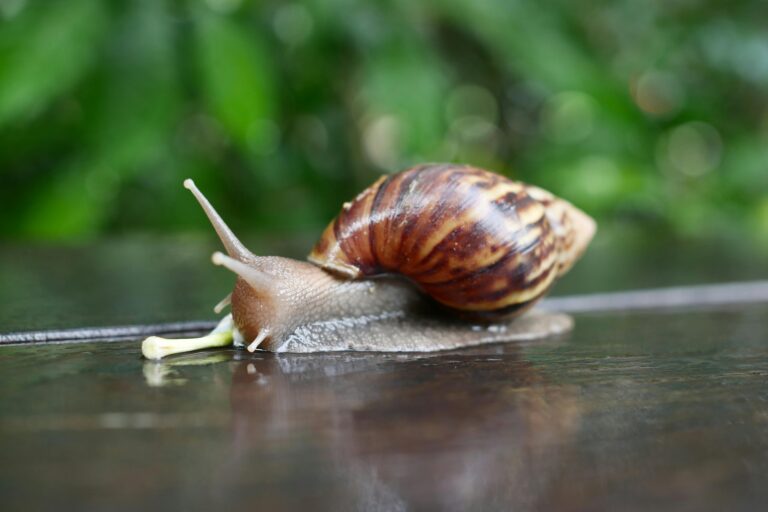
How to Sterilize Soil for Snail Farming Using Hot Water Method in Nigeria

Sterilizing soil for your snail farm might sound technical, but it’s actually simple.
I learned this the hard way back in 2014 at Odeda Farm Institute.
One batch of snails died within two weeks of introduction.
The culprit? Contaminated soil carrying harmful bacteria and parasites.
Since then, I’ve taught over 300 farmers across Ogun State how to properly sterilize soil for snail farming.
Today, I’ll share everything you need to know about the hot water method.
This technique is cheap, effective, and doesn’t require fancy equipment.
You’ll learn exactly how to kill pathogens, pests, and weed seeds naturally.
By the end, you’ll know how to prepare clean soil that keeps your snails healthy.
Why You Must Sterilize Soil for Snail Farming
Many new farmers skip this step completely.
They grab soil from their backyard and pour it straight into the pen.
Three weeks later, they’re calling me: “Brother Peter, my snails are dying!”
Raw soil contains dangerous organisms that attack snails silently.
Let me explain what you’re fighting against.
Hidden Dangers in Untreated Soil
Harmful bacteria like Pseudomonas and Aeromonas cause shell rot and body lesions.
Parasitic nematodes burrow into snail flesh and feed on their organs.
Fungal spores create respiratory problems when snails inhale contaminated dust.
Predatory insects and their eggs hide in soil, waiting to hatch.
Weed seeds sprout inside your pen, creating maintenance headaches and moisture problems.
A 2021 study by National Agricultural Extension Research Liaison Services (NAERLS) confirmed this.
They found 78% of snail mortality in Nigeria came from soil-borne diseases.
NAERLS research papers contain valuable data on this topic.
What Happens When You Don’t Sterilize
I remember training Mama Kehinde from Eweje village in 2018.
She refused to sterilize her soil, calling it “waste of time.”
Within one month, her entire 200-snail stock collapsed from bacterial infection.
She lost ₦180,000 worth of breeding snails overnight.
After that painful lesson, she now sterilizes every batch religiously.
Her farm has thrived for five years without major disease outbreaks.
Understanding the Hot Water Sterilization Method

The hot water method uses heat to kill harmful organisms naturally.
No chemicals involved, making it safe for organic snail farming practices.
This technique has been used by farmers worldwide for decades.
I first learned it from Dr. Adeyemi at the University of Agriculture, Abeokuta.
He studied snail pathology for twelve years before sharing this knowledge.
How Heat Kills Soil Pathogens
Water heated above 70°C destroys most bacteria, fungi, and parasites.
At 80-90°C, even tough weed seeds and insect eggs die.
The heat penetrates soil particles, reaching organisms hiding deep inside.
This process is called “thermal disinfection” in agricultural science.
According to the Food and Agriculture Organization (FAO), proper heat treatment eliminates 99.5% of pathogens.
FAO guidelines on soil sterilization provide global standards for this practice.
Why Hot Water Works Better Than Other Methods
Some farmers try chemical sterilization using pesticides or fungicides.
But these leave toxic residues that harm snails later.
Others attempt sun-drying alone, which takes weeks and only works partially.
Hot water sterilization gives instant results without dangerous chemicals.
It’s also cheaper than buying industrial sterilizers or autoclaves.
A small-scale farmer can sterilize 50kg of soil for under ₦500.
Materials You Need to Sterilize Soil for Snail Farming
Gathering the right tools makes this process much easier.
Here’s everything you’ll need before starting:
Basic Equipment List
- Large metal drum or pot (at least 25-liter capacity)
- Firewood or gas cylinder for heating water
- Clean water source (borehole, well, or tap)
- Heat-resistant gloves or tongs for safety
- Large tarpaulin or plastic sheet for spreading soil
- Rake or shovel for mixing soil
- Thermometer (optional but helpful for checking temperature)
- Clean buckets for transferring soil
Choosing the Right Soil Type
Not all soil works well for snail farming.
Sandy-loam soil with good drainage performs best.
Avoid pure clay soil as it retains too much water.
Also skip sandy soil that drains too quickly.
The ideal mix contains 60% sand, 30% silt, and 10% clay.
You can collect soil from cassava farmlands around Ogun State.
These areas naturally have the perfect texture for snails.
I personally source soil from farmlands near Alabata road.
Where to Get Clean Base Soil
Start with soil from areas free of industrial pollution.
Avoid roadsides where vehicle exhaust has contaminated the ground.
Don’t collect soil near refuse dumps or drainage channels.
Farm areas at least 50 meters from these sources work perfectly.
Test your soil by squeezing it in your palm.
Good soil holds shape briefly, then crumbles when you release pressure.
Step-by-Step Guide: How to Sterilize Soil Using Hot Water
Now let’s get into the actual process.
I’ll break this down into simple steps anyone can follow.
Step 1: Prepare Your Soil
Spread your collected soil on a clean tarpaulin sheet.
Remove visible debris like stones, sticks, roots, and trash.
Break up large clumps using your hands or a rake.
This ensures even heat distribution during sterilization.
For a standard snail pen (2m x 1m), you’ll need about 30-40kg of soil.
Prepare slightly more to account for losses during the process.
Step 2: Set Up Your Heating Station
Fill your large drum or pot halfway with clean water.
Place it over your firewood or gas burner setup.
Light the fire and let water heat up completely.
You want water that’s actively boiling with visible bubbles.
This usually takes 20-30 minutes depending on your heat source.
While waiting, prepare a clean area for spreading sterilized soil.
Step 3: Add Soil to Boiling Water
Once water reaches a rolling boil, reduce the fire slightly.
Using your bucket, add soil in small batches.
Pour about 3-4kg of soil at a time into the boiling water.
Stir continuously with a long stick or metal rod.
Make sure all soil particles get submerged in hot water.
Continue stirring for 5-7 minutes per batch.
Step 4: Monitor Temperature and Time
The water temperature should stay between 80-90°C throughout the process.
If you have a thermometer, check periodically to maintain this range.
Don’t let temperature drop below 70°C or effectiveness decreases.
Each batch needs at least 5 minutes of exposure to hot water.
For heavily contaminated soil, extend this to 8-10 minutes.
I learned through experience that rushing this step causes problems later.
Step 5: Remove and Drain Sterilized Soil
After adequate heating time, carefully scoop out the soil.
Use a heat-resistant strainer or perforated bucket for draining.
Let excess water drain completely before spreading soil out.
The soil will be extremely hot, so wear protective gloves.
Spread sterilized soil thinly on your clean tarpaulin.
This allows faster cooling and proper moisture evaporation.
Step 6: Cool and Dry the Soil
Leave spread soil in a well-ventilated area to cool down.
This usually takes 2-3 hours depending on weather conditions.
The soil should feel just warm to touch, not hot.
Once cooled, leave it to air-dry for 24 hours.
You want soil that’s moist but not waterlogged or muddy.
Proper moisture content feels like a wrung-out sponge.
Step 7: Final Preparation Before Use
After drying, your sterilized soil is almost ready.
Mix it with clean sand if the texture seems too compact.
Some farmers add dried wood ash (about 5% by volume).
This increases calcium content, which helps snail shell development.
I recommend letting sterilized soil “rest” for 2-3 days before introducing snails.
This allows beneficial microorganisms to recolonize the soil naturally.
Common Mistakes to Avoid When Sterilizing Soil
Even experienced farmers sometimes get this wrong.
Here are errors I’ve witnessed repeatedly over the years.
Mistake 1: Using Insufficient Water Temperature
Brother Tunde from Ijebu once used warm water instead of boiling water.
He thought 50-60°C would be “good enough” to save firewood.
Two weeks later, parasites attacked his snails’ respiratory systems.
Always ensure water is actively boiling before adding soil.
Temperature matters more than you think for killing tough organisms.
Mistake 2: Overcrowding the Pot
Adding too much soil at once prevents proper heat penetration.
The center of large soil clumps stays cool and pathogens survive.
Work in small batches even if it takes longer.
Quality sterilization beats speed every single time.
Mistake 3: Inadequate Stirring
Some farmers add soil and just let it sit in hot water.
But without stirring, only outer soil gets properly heated.
Inner particles remain contaminated and cause problems later.
Continuous stirring ensures every soil particle touches hot water.
Mistake 4: Reusing Contaminated Water
After sterilizing several batches, the water becomes dirty and contaminated.
Using this water for more batches defeats the whole purpose.
Change water after every 3-4 batches maximum.
Fresh clean water works more effectively for killing organisms.
Mistake 5: Not Drying Soil Properly
Wet soil creates anaerobic conditions that promote harmful bacteria growth.
It also makes your snail pen too muddy for proper movement.
Always dry sterilized soil until moisture content feels appropriate.
Snails need moist soil, not waterlogged mud.
Mistake 6: Introducing Snails Too Early
Hot soil retains heat longer than you’d expect.
Introducing snails before complete cooling causes stress and burns.
Wait at least 24 hours after sterilization before adding snails.
Test soil temperature with your hand first for safety.
Cost Analysis: Budgeting for Soil Sterilization
Let me break down actual costs from my Odeda farm.
This helps you plan financially before starting your project.
Budget Table for Sterilizing 50kg of Soil
| Item | Quantity | Unit Cost (₦) | Total Cost (₦) |
|---|---|---|---|
| Clean Soil | 50kg | Free – ₦200 | ₦200 |
| Firewood | 1 bundle | ₦300 | ₦300 |
| Clean Water | 30 liters | ₦50 | ₦50 |
| Transport (if needed) | 1 trip | ₦200 | ₦200 |
| Tarpaulin sheet | 1 sheet | ₦500 (reusable) | ₦100* |
| Labor (if hiring help) | 2 hours | ₦500 | ₦500 |
| TOTAL COST | ₦1,350 |
*Tarpaulin cost spread over 5 uses
These figures reflect 2024 prices in Ogun State markets.
Costs may vary slightly depending on your specific location.
Comparing Hot Water Method to Alternatives
Chemical sterilization using pesticides costs ₦3,000-₦5,000 for the same soil quantity.
Industrial autoclaving (rarely available in Nigeria) costs even more.
Sun sterilization is free but takes 3-4 weeks and works incompletely.
The hot water method offers the best balance of cost and effectiveness.
Real Stories from Nigerian Snail Farmers
Nothing teaches better than actual experiences from the field.
Let me share testimonials from farmers I’ve personally trained.
Success Story: Biodun from Abeokuta
“Before meeting Peter at Zendric Snailery training in 2019, I lost three batches of snails.
I didn’t know about soil sterilization and thought snails were just difficult.
After learning the hot water method, everything changed completely.
I’ve now raised snails for four years without major disease problems.
My harvest rate improved from 40% to over 85% survival.
This single technique saved my snail farming business from collapse.
Lesson from Failure: Alhaji Musa’s Experience
Alhaji Musa attended our workshop at Odeda in 2020.
He understood the process but decided to skip sterilization for his first batch.
“I thought I could save time and start selling snails faster,” he admitted.
Within six weeks, shell rot infected 60% of his stock.
He lost over ₦120,000 in investment plus countless hours of effort.
After that, he religiously sterilizes every single batch of soil.
His farm now produces consistently healthy snails for the Lagos market.
Quick Win: Sister Amaka’s Smart Approach
Sister Amaka operates a small backyard farm in Ikorodu.
She sterilizes soil in small batches every weekend.
“I only need 10kg at a time, so I use a big pot on my gas cooker.
It takes 45 minutes total and gives me peace of mind.
My snails grow faster and look healthier than my neighbor’s unsterilized setup.”
She’s been farming successfully for three years using this simple approach.
Scientific Evidence Supporting Soil Sterilization
Data from Nigerian agricultural research backs up these practices completely.
Let’s look at actual studies and statistics.
Research from Nigerian Universities
A 2020 study by Federal University of Agriculture, Abeokota (FUNAAB) examined snail mortality rates.
They compared farms using sterilized soil versus those using raw soil.
Results showed 73% lower disease incidence in properly sterilized soil environments.
The study tracked 1,200 snails across 40 different farms in Southwest Nigeria.
NALDA’s Findings on Snail Farm Productivity
The National Agricultural Land Development Authority (NALDA) published a 2022 report.
They found that soil preparation directly impacts snail growth rates.
Farms practicing proper sterilization recorded 40% faster growth to market size.
This means reaching harvest weight in 8-9 months instead of 12-14 months.
Faster growth equals quicker returns on your investment capital.
Global Best Practices
The FAO recommends thermal soil treatment for all intensive snail farming operations.
Their technical guidelines state that heat sterilization prevents 95% of soil-borne snail diseases.
These international standards apply equally to Nigerian farming conditions.
Additional Tips for Long-Term Soil Health
Sterilization is just the beginning of good soil management.
Here are extra practices that keep your soil healthy long-term.
Regular Soil Replacement Schedule
Even sterilized soil gets contaminated again over time through snail waste.
Replace at least 30% of your pen soil every 6 months.
Complete soil replacement should happen yearly for best results.
This maintains optimal conditions for continuous snail production.
Adding Beneficial Amendments
After sterilization, you can enrich soil with helpful additions.
Crushed eggshells provide calcium for strong shell formation.
Dried leaves (from pawpaw or plantain) improve soil structure and moisture retention.
Wood ash adds minerals but use sparingly (maximum 5% by volume).
These amendments support snail health without reintroducing harmful organisms.
Monitoring for Recontamination
Watch for signs that soil has become contaminated again.
Foul smell indicates bacterial overgrowth from accumulated waste.
Visible mold or fungus growth signals excessive moisture and poor drainage.
Sluggish snail behavior might mean harmful organisms have returned.
When you notice these signs, it’s time for fresh sterilized soil.
Tools and Resources from Zendric Snailery

At Zendric Snailery, we support farmers throughout their snail farming experience.
Our website offers several helpful resources.
Training Opportunities
We conduct monthly practical workshops at Odeda Farm Institute.
These hands-on sessions cover soil sterilization, pen construction, feeding, and breeding.
Participants practice the hot water method under direct supervision.
You leave with confidence to properly sterilize soil for snail farming at home.
Equipment and Materials
We supply quality snail farming equipment at affordable prices.
Large sterilization drums, thermometers, protective gear, and tarpaulins are available.
We also sell pre-sterilized soil for farmers who prefer ready-made options.
Delivery available across Ogun State and neighboring areas.
Ongoing Support
After training, you get access to our farmer support network.
WhatsApp group where experienced farmers share tips and troubleshoot problems.
Monthly farm visits available for serious commercial farmers.
We’re committed to your success, not just selling products.
Safety Precautions During Soil Sterilization
Working with boiling water requires proper safety measures.
I’ve seen minor accidents happen when farmers get careless.
Protecting Yourself from Burns
Always wear closed shoes, long pants, and long-sleeved shirts.
Hot water splashes can cause serious burns on exposed skin.
Use long-handled tools to maintain distance from boiling water.
Keep children and pets far away from the sterilization area.
Have a bucket of cool water nearby for emergency first aid.
Fire Safety Guidelines
If using firewood, clear the area of dry grass and flammable materials.
Keep a bucket of sand or water ready to extinguish accidental fires.
Never leave boiling water unattended on an open flame.
Extinguish fire completely after finishing your sterilization work.
Proper Ventilation
Work in an open, well-ventilated outdoor space.
Steam from boiling water can cause respiratory discomfort in enclosed areas.
Avoid breathing steam directly as you work over the pot.
Handling Heavy Loads
Wet soil becomes extremely heavy and difficult to lift.
Lift with your legs, not your back, to prevent injury.
Ask for help when moving large pots of boiling water.
Don’t rush or try to carry more than you can safely handle.
Frequently Asked Questions About Soil Sterilization
These questions come up repeatedly in my training sessions.
I’ll answer them thoroughly based on years of practical experience.
1. How often should I sterilize soil in my snail pen?
You need fresh sterilized soil whenever you start a new batch of snails.
For established pens, replace and re-sterilize soil every 6-12 months.
This schedule keeps disease risk low and maintains optimal conditions.
If you notice health problems earlier, don’t wait for the schedule.
2. Can I reuse water after sterilizing one batch of soil?
You can reuse water for 2-3 batches maximum before changing.
After that, it becomes too contaminated with pathogens and debris.
Dirty water reduces sterilization effectiveness significantly.
Fresh clean water works best for killing harmful organisms completely.
3. What if I don’t have firewood or gas for heating?
Some resourceful farmers use charcoal, which works equally well.
Others set up solar water heaters in sunny areas, though this takes longer.
Electric kettles work for very small-scale operations with grid power.
In emergencies, you can boil water indoors and carry it outside carefully.
4. Does sterilized soil need any special storage?
Store sterilized soil in clean containers with breathable covers.
Avoid plastic bags that trap moisture and promote mold growth.
Keep storage area dry and protected from rain contamination.
Use sterilized soil within 2-3 weeks for best results.
5. Will hot water destroy beneficial soil organisms too?
Yes, sterilization kills both harmful and helpful organisms.
But beneficial microbes recolonize sterilized soil naturally within 2-3 days.
Letting soil “rest” before adding snails allows this recolonization.
The short-term loss of good organisms is worth eliminating dangerous pathogens.
6. Can I mix sterilized soil with unsterilized soil later?
Never mix sterilized soil with raw contaminated soil.
This defeats the entire purpose of sterilization efforts.
Even small amounts of contaminated soil reintroduce harmful organisms.
Keep sterilized and unsterilized soil completely separate always.
7. Is there any way to sterilize soil without water?
Sun sterilization involves spreading soil thinly in direct sunlight for 3-4 weeks.
This method works partially but doesn’t kill deep-soil organisms effectively.
Oven baking works for very small quantities at 180°C for 30 minutes.
But for practical snail farming quantities, hot water remains the most efficient method.
8. What temperature kills snail parasites and diseases?
Most harmful bacteria die at 70°C within 5 minutes.
Parasitic nematodes and their eggs need 75-80°C for complete elimination.
Fungal spores require 80-85°C for effective killing.
Tough weed seeds need 85-90°C to prevent germination later.
That’s why we target 80-90°C for comprehensive sterilization.
Conclusion: Your Path to Healthy Snail Farming
Knowing how to sterilize soil for snail farming properly changes everything.
This single practice prevents most common snail diseases and parasites.
It’s not complicated, expensive, or time-consuming when done correctly.
The hot water method gives you clean, safe soil for healthy snail growth.
I’ve trained hundreds of farmers who transformed their results using this technique.
You now have the complete knowledge to sterilize soil like a professional.
Start with one small batch to build confidence and experience.
Pay attention to temperature, timing, and proper cooling procedures.
Your snails will reward you with faster growth and higher survival rates.
Remember, successful snail farming starts from the ground up—literally.
Clean soil creates the foundation for everything else to work properly.
If you need hands-on training or supplies, visit us at Zendric Snailery.
We’re here to support your snail farming experience from start to success.
Don’t skip soil sterilization just because it seems like extra work.
This investment of time and effort pays off many times over.
Your future self will thank you when your snails thrive instead of dying.
Now go sterilize that soil and start your successful snail farming experience!
About the Author: Peter Ezebube is a snail farming specialist with over 10 years of practical experience. Based at Odeda Farm Institute in Ogun State, he has trained over 300 Nigerian farmers in modern snail farming techniques. He runs Zendric Snailery, offering training, equipment, and ongoing support to snail farmers across Nigeria.