
If you keep bees, you already know the hard work it takes to build a healthy hive.
But one morning, you walk out to check your bees and everything is wrong. The bees are stressed. The honey is gone. Ants are crawling everywhere.
This is one of the most painful experiences for any beekeeper, whether you are just starting out or have kept bees for years.
Learning how to protect beehives from pests and ants is not optional. It is one of the most important skills you need to run a successful bee farm.
In this guide, I will walk you through everything you need to know. I will show you which pests attack beehives, how ants get inside, and the best methods to stop all of them. I have written this guide based on over a decade of hands-on experience helping Nigerian farmers at Zendric build profitable bee farms.
Let us get straight into it.
Why Protecting Your Beehive from Pests and Ants Matters
Bees are strong insects, but they cannot fight every threat on their own.
When pests and ants invade a beehive, they can destroy months of your hard work in just a few days. Ants steal honey and brood. Wax moths destroy comb. Small hive beetles lay eggs in your frames. Varroa mites weaken bees until they die.
According to the Food and Agriculture Organization (FAO), pest management is a critical part of sustainable farming. The same principle applies directly to beekeeping.
If you do not protect your beehive from pests and ants, you will lose your colony. You will lose your honey. You will lose your investment.
The good news is that protecting your beehives is not complicated. You just need to know what to do.
Common Pests That Attack Beehives
Before you can protect your beehive, you need to know your enemy. Here are the most common pests that attack beehives in Nigeria and across Africa.
1. Ants
Ants are the number one pest problem for beekeepers in tropical countries like Nigeria.
They are small, they work in large numbers, and they never stop. One ant trail can lead thousands of ants straight into your hive within hours.
Ants enter the hive through the bottom board, the hive legs, or any small gap in the hive body. Once inside, they steal honey, attack bee larvae, and stress the entire colony.
A stressed colony may swarm and leave their hive entirely. That means you lose all your bees.
2. Wax Moths
The small hive moth and the greater wax moth are serious threats to bee colonies.
Female wax moths lay eggs inside the hive. Their larvae burrow through your wax comb, eating honey, pollen, and bee larvae as they go. They leave behind a sticky mess of silk tunnels and waste that destroys the entire comb structure.
A weak colony cannot fight off wax moths. Strong, healthy colonies usually manage them on their own. But if your colony is already struggling, wax moths can finish them off fast.
3. Small Hive Beetles (SHB)
The small hive beetle (Aethina tumida) is a major pest originally from sub-Saharan Africa.
Adult beetles lay eggs inside the hive. Their larvae feed on honey, pollen, and brood, causing fermentation and a rotten smell that drives the bees out of the hive. According to Penn State Extension, small hive beetles can devastate colonies that are already weak or stressed.
4. Varroa Mites
Varroa mites (Varroa destructor) are tiny parasites that attach to bees and feed on their bodies.
They reproduce inside capped brood cells. Over time, they weaken your entire colony by spreading viruses and draining the energy from young bees. Varroa is considered one of the biggest threats to honeybee health worldwide, according to research published by the USDA Agricultural Research Service.
5. Lizards and Toads
In Nigeria and across West Africa, lizards and toads often sit near hive entrances to catch bees as they leave.
While one lizard cannot destroy a colony, a large group of them can reduce your forager population significantly, weakening the hive over time.
6. Ants (A Second Look)
I want to come back to ants because they deserve extra attention.
In Nigeria’s tropical climate, fire ants and weaver ants are particularly aggressive. They can invade a hive in the middle of the night. By morning, the entire colony may be dead or gone.
Knowing how to protect beehives from ants specifically is critical for anyone keeping bees in this region.
How to Protect Beehives from Ants: Step-by-Step Methods
Here are the most proven methods to keep ants out of your beehive.
Method 1: Use Hive Stands with Water Moats
This is the single most effective method to protect beehives from ants.
Place each hive leg inside a container filled with water or used engine oil. Ants cannot swim or cross oil. When they try to crawl up the stand leg, they reach the moat and stop.
To make this work:
- Use four tin cans or plastic containers, one for each hive leg.
- Fill each container with used engine oil, water, or a mix of both.
- Check the containers every two weeks and refill as needed.
- Make sure no grass, wood, or wire is touching the hive from the side. Ants will use any bridge to bypass the moat.
This method works. It is cheap. It requires almost no skill to set up.
Method 2: Apply Grease or Vaseline to Hive Stand Legs
If you do not have containers for a water moat, coat the hive stand legs with a thick layer of petroleum jelly or axle grease.
Ants cannot walk through grease easily. The coating creates a sticky barrier they cannot cross.
Reapply the grease every two to three weeks, especially after heavy rain.
Method 3: Use Cinnamon or Chalk at the Base
Ants hate cinnamon. Sprinkling ground cinnamon around the base of your hive stand disrupts their scent trails and discourages them from approaching.
You can also use white chalk to draw a thick line around each hive leg. Chalk contains calcium carbonate, which messes up the chemical signals ants use to follow each other.
These are natural, chemical-free options that are safe for your bees.
Method 4: Keep the Area Around the Hive Clean
Ants are attracted to food, moisture, and clutter.
If there is spilled honey, dead bees, or overgrown grass around your hive, ants will come. Make it a habit to:
- Remove dead bees from the bottom board regularly.
- Cut grass short around your hive area.
- Never spill honey near the hive stand.
- Clear away fallen leaves and wood debris from around the hives.
A clean environment is one of the easiest ways to reduce ant problems.
Method 5: Raise Hives Off the Ground
Your hives should never sit directly on the ground.
A good hive stand should raise your hives at least 30 to 45 cm (12 to 18 inches) off the ground. This makes it harder for ants, lizards, toads, and other ground-level pests to access the hive entrance.
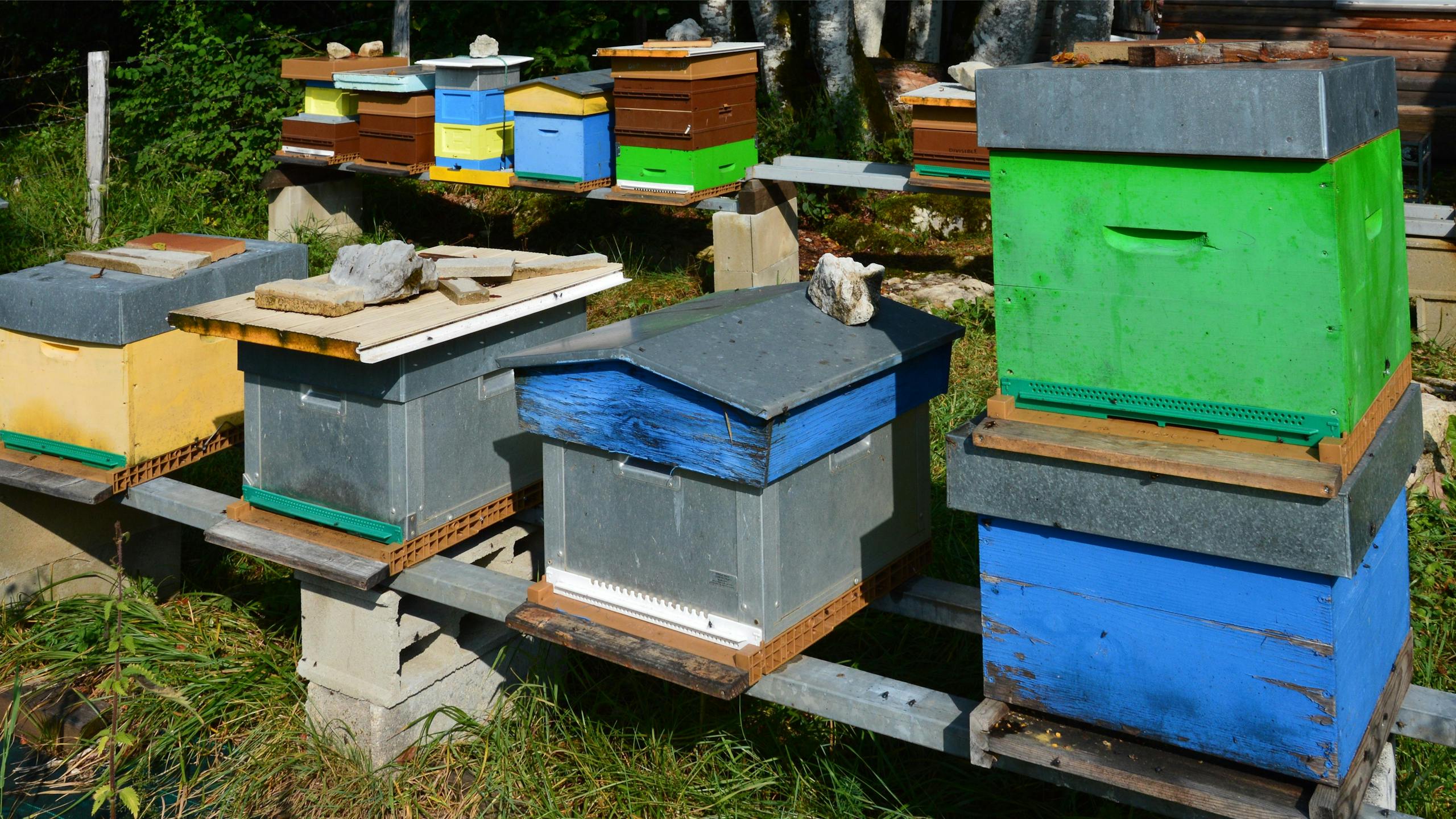
You can build a hive stand from wood, iron pipes, or concrete blocks.
How to Protect Beehives from Wax Moths
Wax moths thrive in weak colonies and stored empty combs. Here is how to keep them under control.
Keep Your Colony Strong
A strong colony of bees will police their own hive. Guard bees will catch and remove wax moth larvae before they can spread.
The best protection against wax moths is a healthy, well-populated colony. Make sure your queen is laying well. Feed your bees when nectar is scarce. Check your hive regularly.
Reduce Empty Space Inside the Hive
Wax moths like dark, unguarded corners of the hive.
If your colony is small, remove extra frames and supers they cannot cover. Bees can only protect the space they can patrol. Empty space is an open invitation for wax moths.
Freeze Stored Combs
If you have empty frames in storage, freeze them for 24 to 48 hours before storing. This kills any wax moth eggs or larvae already inside the comb.
After freezing, store the frames in sealed plastic bags or sealed containers.
Use Paradichlorobenzene (PDB) Crystals for Storage
PDB crystals are commonly used to protect stored combs from wax moths. Place them above stored frames (never below, since the fumes must fall through the frames). Keep storage containers sealed.
Do not use PDB inside active hives. It is only for empty stored comb.
How to Protect Beehives from Small Hive Beetles
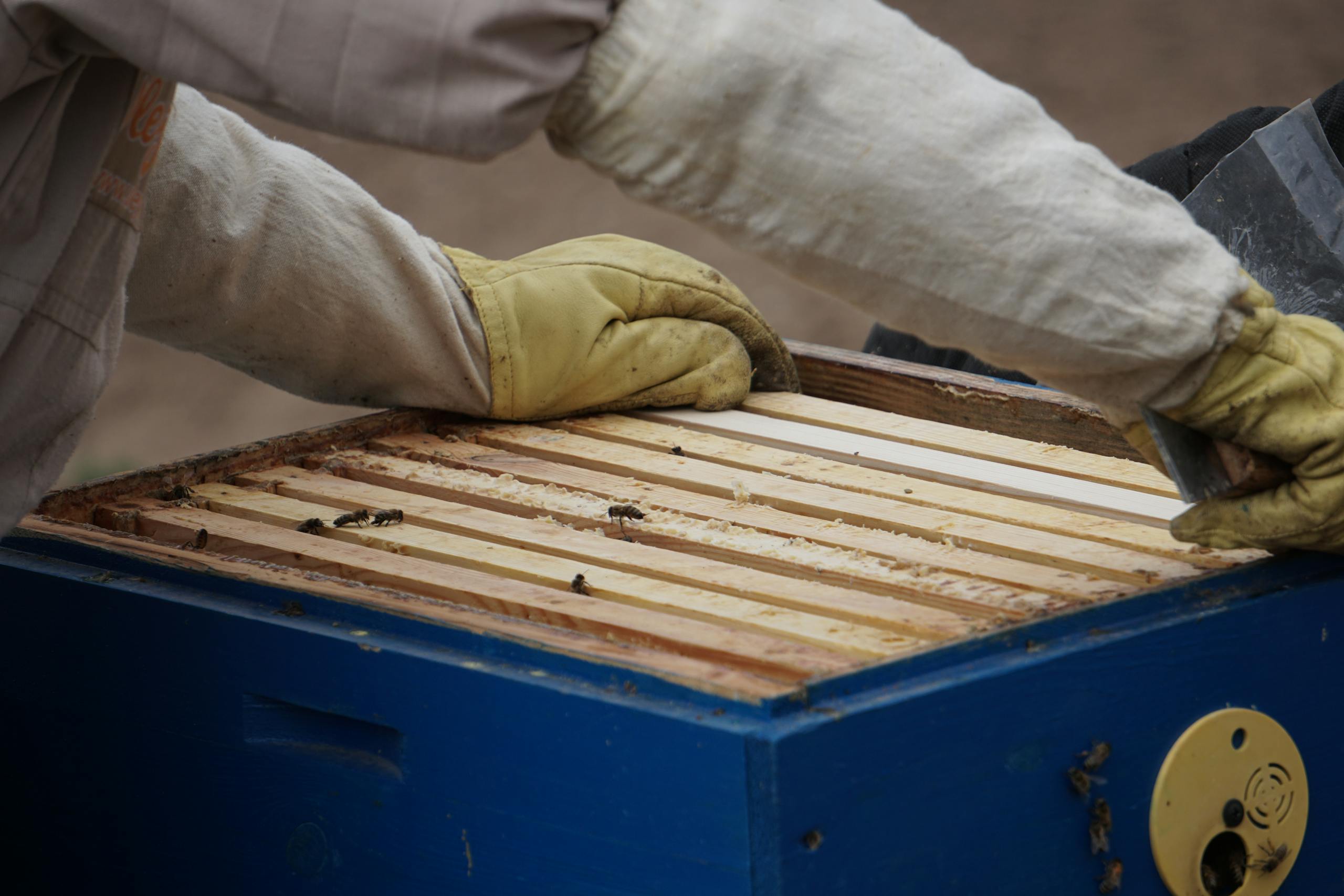
Small hive beetles are hard to eliminate completely, but you can keep their numbers low.
Use Hive Beetle Traps
Commercial traps and DIY oil traps work well against small hive beetles. A simple oil trap sits on the floor of the hive. Beetles fall into the oil and drown.
You can make a basic trap using a shallow container with a thin layer of vegetable oil placed on the hive floor.
Keep the Colony Strong
Like wax moths, small hive beetles are a bigger problem in weak hives. Guard bees will chase and confine beetles to corners of the hive. From there, the beetles cannot lay eggs.
A strong colony is your best defense.
Position Hives in Full Sunlight
Small hive beetles prefer cooler, shaded conditions for reproduction. Placing hives in open sunlight discourages beetle activity and helps reduce their population.
How to Protect Beehives from Varroa Mites
Varroa mites require a more targeted approach because they are invisible to the naked eye.
Monitor Regularly
Use a sticky board under the hive or a sugar roll test to count the number of mites in your colony. If you find more than three to five mites per 100 bees, you need to take action.
The Honey Bee Health Coalition has an excellent free guide on monitoring and treating Varroa mites that every beekeeper should read.
Use Organic Acids
Oxalic acid and formic acid are proven, bee-safe treatments for Varroa mites. They are used by beekeepers all over the world, including in Nigeria.
Oxalic acid treatment is especially effective in broodless periods. You can apply it as a drizzle or use a vaporizer.
Use Drone Comb Trapping
Varroa mites prefer to reproduce in drone cells. By inserting a frame of drone comb, you can trap mites inside. After the cells are capped, remove and destroy the frame before the drones emerge.
This method reduces mite loads without any chemicals.
General Tips to Keep Your Beehive Safe from All Pests
Here are some important habits every beekeeper should follow:
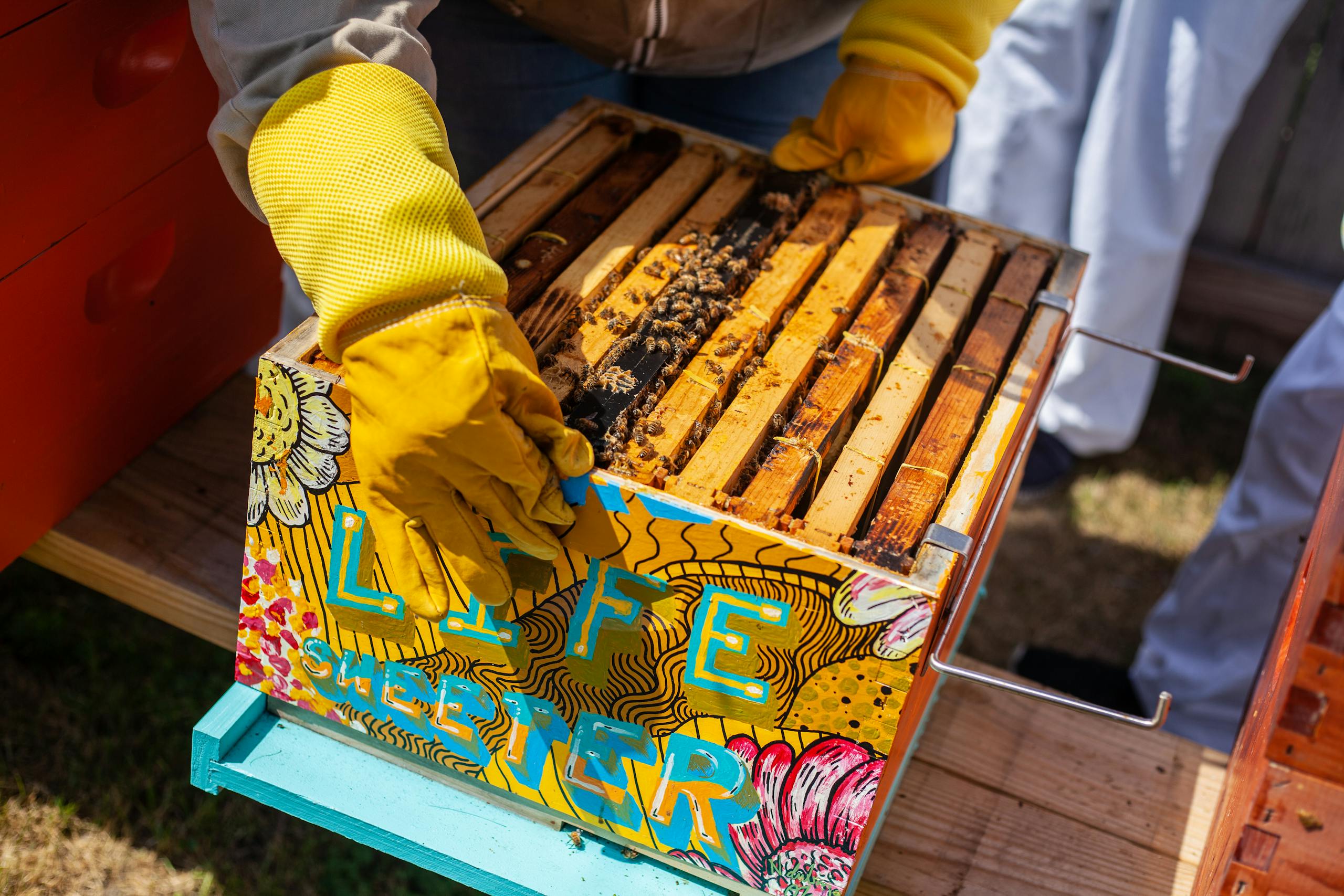
Inspect your hives regularly. Check your hives at least once every two weeks. Early detection of pests saves colonies.
Use well-built hive equipment. Cracks and gaps in hive boxes give pests easy entry points. Seal any cracks with wood glue or beeswax.
Keep colonies strong. A strong colony is the best defense against every pest on this list. Feed your bees, replace old queens, and prevent swarming where possible.
Record your observations. Keep a simple notebook where you note what you see during each inspection. Patterns in pest activity help you respond faster.
Source good stock. Start with bees that are locally adapted. In Nigeria, African honeybees are naturally resistant to many pests compared to imported European breeds.
At Zendric, we have practical guides for beginners that cover hive setup, colony management, and more. If you are just starting your beekeeping journey, our beginner guides are a great place to start.
How to Protect Beehives from Pests During Different Seasons
In Nigeria, pest pressure changes with the seasons.
During the dry season, food is scarce. Ants and other pests become more aggressive because they are also looking for food. This is when ant invasions are most common.
During the wet season, wax moths and small hive beetles are more active because the warm, humid conditions suit them.
Know your season and adjust your protection strategy. In the dry season, focus heavily on ant control and feeding your bees. In the wet season, watch for wax moths and beetles.
How to Set Up the Perfect Hive Stand to Stop Ants and Pests

Getting your hive stand right is the foundation of pest protection. Here is how to build a solid, pest-resistant setup:
Step 1: Drive four iron pipes or wooden posts into the ground. Space them to match the corners of your hive.
Step 2: Raise the stand to at least 30 cm above the ground.
Step 3: Place each leg inside a wide tin can or bowl.
Step 4: Fill each can with used engine oil. The oil does not evaporate quickly and is more effective than water alone.
Step 5: Make sure no grass, leaves, or wood is touching the hive from any angle.
Step 6: Check the oil moats every two weeks and top up as needed.
This setup protects against ants, lizards, toads, and other crawling pests all at once.
Frequently Asked Questions About Protecting Beehives from Pests and Ants
Q: What is the best way to keep ants out of a beehive?
The best method is placing each hive leg in a container of used engine oil. Ants cannot cross oil. Combined with keeping the area clean and free of clutter, this is the most reliable protection available.
Q: Can I use insecticide to kill ants near my beehive?
No. Most insecticides that kill ants will also harm or kill your bees. Avoid chemical sprays near any active hive. Stick to physical barriers like oil moats, grease, and natural repellents like cinnamon.
Q: How do I know if my hive has small hive beetles?
Open the hive and look for small, dark-brown beetles about 5mm long running away from the light. If you see larvae tunneling through your comb or notice a fermented smell from the honey, SHB is likely present.
Q: How often should I inspect my beehive for pests?
Inspect every two weeks during active season. In Nigeria’s climate, monthly inspections during slow periods are acceptable, but every two weeks is best practice.
Q: Are varroa mites present in Nigeria?
Yes, Varroa mites are present in Nigeria and across Africa. African honeybees have some natural resistance, but mite populations can still reach harmful levels. Regular monitoring is important.
Final Words from Peter Uzodimma
Protecting your beehive from pests and ants is not a one-time job. It is an ongoing responsibility.
The beekeepers who succeed are those who stay consistent. They check their hives. They maintain their stands. They act fast when they see a problem.
You do not need expensive equipment or complicated chemicals to keep pests away. Simple, consistent action works.
If you found this guide helpful, explore more of our beekeeping guides for beginners on Zendric. We cover everything from setting up your first hive to harvesting honey and selling it profitably.
You can also visit our free farming tools page to find calculators and resources designed specifically for Nigerian farmers.
Keep your bees healthy, and your bees will take care of you.
Peter Uzodimma Founder & Lead Agricultural Consultant, Zendric zendric.com.ng
References and Further Reading: