
How to Make and Sell Spicy Oven Dried Snail Snacks in Nigeria: A Complete Guide
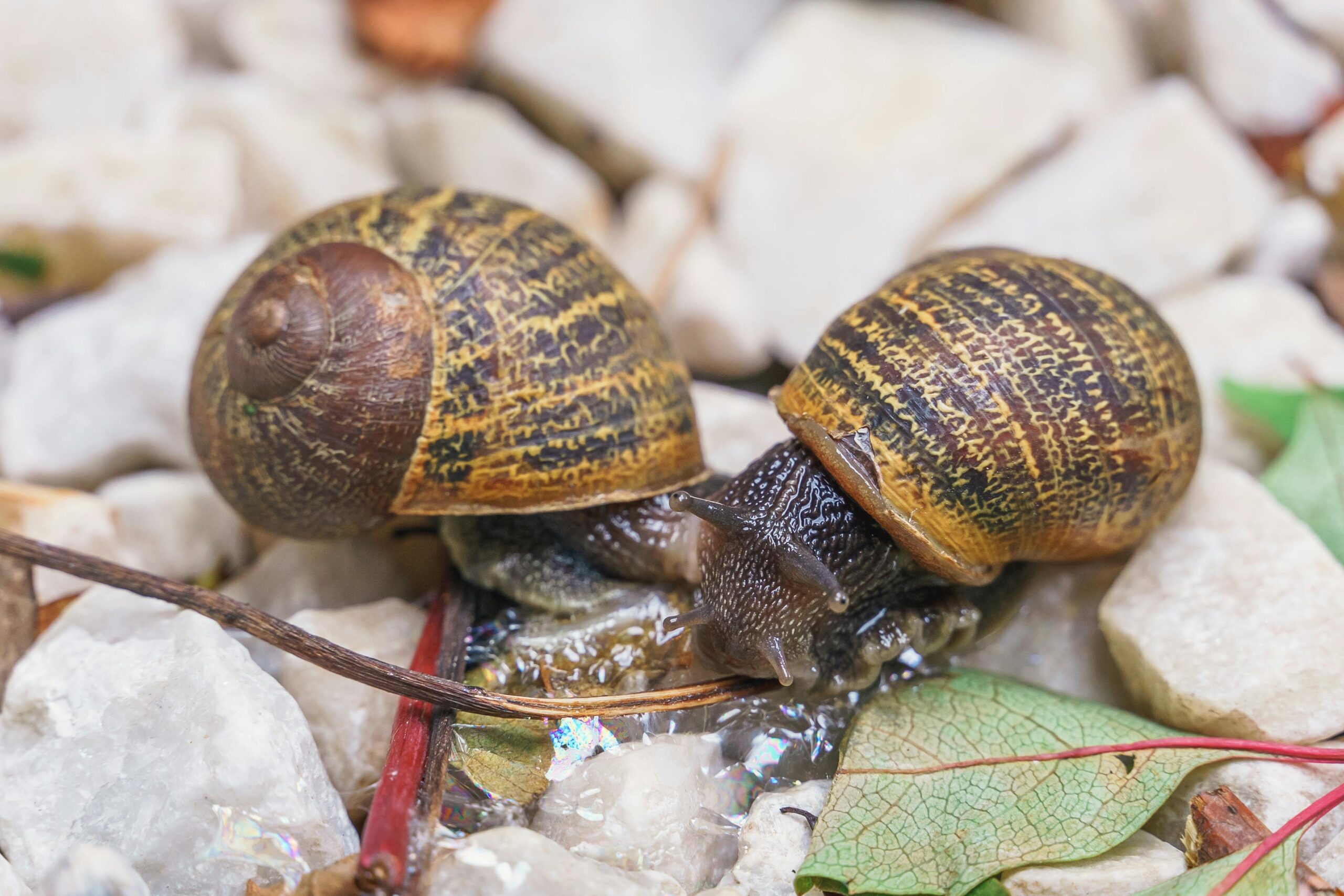
I still remember the first time I dried snails in my oven back in 2014.
The smell filled my entire house in Odeda. My neighbors thought I was cooking something fancy.
Truth is, I was just experimenting with ways to preserve my harvest and make more money.
That single experiment changed everything for my snail farming business. Today, spicy oven dried snail snacks have become one of our best-selling products at Zendric Snailery.
If you’re looking for a way to add value to your snail harvest and multiply your profits, you’re in the right place.
This guide will show you exactly how to make and sell spicy oven dried snail snacks that Nigerians actually want to buy.
No fancy equipment needed. No complicated processes. Just practical steps I’ve tested over the years.
Why Dried Snail Snacks Are a Smart Business Move
Fresh snails are great. But they have one major problem: they don’t last long.
You harvest today. You must sell within three to five days maximum.
After that, they start dying. Your profit disappears with them.
Dried snails solve this problem completely. They can last six months or more when properly stored.
Here’s what makes dried snail snacks even better than regular dried snails:
They’re convenient. People can eat them straight from the pack. No cooking required.
They’re portable. Perfect for busy Lagosians who need protein on the go.
They command better prices. A 50g pack of spiced dried snails sells for ₦1,500 to ₦2,500 in urban areas.
They appeal to younger buyers. The spicy flavor attracts people who wouldn’t normally buy fresh snails.
At our last training session in March 2024, one of our students, Mrs. Adebayo from Ibadan, made ₦180,000 in just two months selling spicy dried snail snacks to office workers.
She started with just 100 pieces of Achatina marginata from her backyard pen.
The demand was so high, she had to expand her farm.
Understanding the Market for Dried Snail Snacks

Before you start production, you need to know who will buy your product.
I’ve sold dried snails to different types of customers over the past decade. Each group wants something slightly different.
Beer parlor owners buy dried snails as “pepper soup” alternatives. They want medium-sized pieces with strong pepper flavor.
Office workers prefer smaller packs they can snack on during break time. Think 25g to 50g sachets.
Export customers through family and friends abroad want larger quantities. They miss this taste of home.
Health-conscious buyers look for high-protein snacks without artificial additives. They’ll pay premium prices for organic dried snails.
Event planners sometimes order customized packs for traditional weddings and ceremonies.
The spicy oven dried snail snack market in Nigeria is still growing. According to data from the National Agricultural Extension and Research Liaison Services (NAERLS), processed snail products are gaining popularity in urban areas.
Most competitors still sell plain dried snails without proper seasoning or packaging.
This gives you a huge advantage if you do it right.
Selecting the Right Snails for Drying
Not every snail makes good dried snacks. I learned this the hard way.
In 2015, I tried drying young snails that were barely 100g each. The result? Tiny, hard pieces nobody wanted to buy.
Here’s what works best for how to make and sell spicy oven dried snail snacks:
Use mature snails weighing 150g to 300g. They give you decent-sized meat after drying.
Achatina marginata works best. The meat is firmer and dries evenly. Achatina achatina works too but shrinks more.
Avoid snails with thin or broken shells. They often have health issues. The meat quality suffers.
Harvest from pens with proper feeding. Snails fed with balanced diet (cassava peels, pawpaw leaves, calcium) produce better-tasting meat.
At Odeda Farm Institute, we always recommend farmers wait until snails reach at least 200g before considering them for processing.
The waiting pays off in final product quality.
One farmer I trained in Eweje, Brother Tunde, was impatient. He dried 50 undersized snails and couldn’t sell them for three months.
He learned his lesson. Now he waits. His dried snail business is booming.
Step-by-Step Process: Cleaning and Preparing Snails
This is where many people make mistakes. Proper cleaning determines your final taste.
Dirty or poorly cleaned snails will taste muddy. Customers won’t come back for more.
Here’s my tested method:
Initial Cleaning
Place live snails in a clean basin. Add clean water to cover them completely.
Let them soak for 30 minutes. This helps them release dirt and slime.
Change the water three times during this period. You’ll see the water getting clearer each time.
Removing the Shells
Crack the shells carefully using a small hammer or stone. Don’t smash them completely.
You want to remove the shell without damaging the meat inside. This takes practice.
Pull out the snail meat gently. Some farmers use their fingers. I prefer a small spoon.
Deep Cleaning
The snail has a digestive tract that contains waste. You must remove this.
Cut open the belly area with a sharp knife. Remove the dark intestinal content.
This is crucial. Skip this step and your dried snails will taste bitter.
Final Wash
Wash the snail meat thoroughly under running water. Use your hands to rub off any remaining slime.
Some people add lime juice or alum to remove excess slime. I prefer plain water and patience.
Wash at least five times. The meat should feel clean and slightly firm to touch.
Cut larger snails into two or three pieces. Smaller ones can stay whole.
Place cleaned snail meat in a colander to drain excess water for 20 minutes.
Creating Your Signature Spice Blend
This is where your product becomes unique. Your spice blend sets you apart from competitors.
After testing dozens of combinations, here’s the blend that sells best for us at Zendric Snailery:
Basic Spice Recipe (for 1kg of cleaned snail meat)
| Ingredient | Quantity | Purpose |
|---|---|---|
| Ground pepper (atarodo/scotch bonnet) | 2 tablespoons | Heat and flavor |
| Dried ground ginger | 1 tablespoon | Warmth and preservation |
| Ground garlic | 1 tablespoon | Aroma and taste |
| Ground onion | 1 tablespoon | Sweetness and depth |
| Curry powder | 2 teaspoons | Color and mild spice |
| Thyme | 1 teaspoon | Herbal note |
| Salt | 1 tablespoon (to taste) | Preservation and taste |
| Seasoning cube (crushed) | 2 cubes | Umami flavor |
| Black pepper | 1 teaspoon | Extra heat |
Mix all dry ingredients in a bowl before adding to your snail meat.
The blend should smell fragrant but not overwhelming. You want to enhance the snail taste, not hide it.
Marinating Process
Place drained snail meat in a large bowl. Add your spice mixture gradually.
Use your hands to massage the spices into the meat. Every piece should be coated evenly.
Cover the bowl and refrigerate for at least 2 hours. Overnight is even better.
This marinating step is critical for how to make and sell spicy oven dried snail snacks that actually taste good.
The longer you marinate, the deeper the flavor penetrates. I usually marinate for 4 to 6 hours.
Mrs. Okonkwo, who attended our training in January 2024, once skipped marinating. She seasoned and dried immediately.
Her customers complained the snails tasted bland inside. She had to reduce prices to clear the stock.
Now she never skips this step.
The Oven Drying Process Explained
Drying is the most important stage. Get it wrong and you waste everything.
Too much heat? Your snails burn and taste like charcoal. Too little heat? They don’t dry properly and spoil quickly.
Here’s the exact process I use:
Preparing Your Oven
Preheat your oven to 80°C to 90°C (175°F to 195°F). This is low heat setting on most ovens.
If your oven doesn’t show temperature, set it to the lowest heat setting possible.
Line your baking trays with baking paper or aluminum foil. This prevents sticking and makes cleanup easier.
Arranging the Snails
Spread marinated snail pieces on the tray in a single layer. Don’t pile them on top of each other.
Leave small spaces between pieces. Air needs to circulate for even drying.
If you have many snails, use multiple trays. Most home ovens can fit two trays at once.
The Drying Timeline
Place trays in the preheated oven. Set a timer for 2 hours initially.
After 2 hours, open the oven and check. The snails should look slightly shrunken and darker.
Turn each piece over using tongs or a fork. This ensures even drying on both sides.
Return to the oven for another 2 hours. Check again and turn if needed.
Total drying time: 4 to 6 hours depending on snail size and oven temperature.
You’ll know they’re ready when the meat is dry, firm, and slightly leathery. Not hard like stone, but not soft either.
Important Tips for Oven Drying
Keep the oven door slightly open. This allows moisture to escape. I usually place a wooden spoon in the door gap.
Check every hour. Ovens vary. What works in my oven might be different in yours.
Don’t rush with high heat. I’ve seen farmers burn entire batches trying to speed up the process.
The smell will be intense. Open your windows. Your neighbors will definitely notice.
Brother Emeka from our Abeokuta training group tried drying snails at 150°C once. In 30 minutes, everything burned black.
He lost ₦25,000 worth of snails that day. Now he’s patient with low heat.
Alternative Drying Methods for Small-Scale Producers
Not everyone has an oven. That’s fine. You have other options.
Sun Drying Method
This is the oldest method. It’s free but requires good weather.
Spread seasoned snails on clean drying trays or wire mesh. Cover with mosquito net to keep flies away.
Place in direct sunlight. Drying takes 2 to 3 days depending on sun intensity.
Turn pieces twice daily for even drying. Bring them inside at night to avoid dew.
Advantages: Zero energy cost. Can process large quantities at once.
Disadvantages: Weather dependent. Risk of contamination if not properly covered. Takes longer.
Dehydrator Method
Food dehydrators work excellently for dried snails. Set temperature to 70°C to 80°C.
Drying time: 6 to 8 hours. Results are very consistent.
Advantages: Better temperature control. More energy efficient than ovens. Faster than sun drying.
Disadvantages: Initial equipment cost (₦25,000 to ₦80,000 depending on size).
I bought a dehydrator in 2019. It paid for itself within three months through increased production capacity.
If you’re serious about this business, consider investing in one.
Charcoal Smoking Method (Traditional)
This method adds a smoky flavor some customers love. Build a low-heat charcoal fire.
Place snails on a wire mesh rack above the fire. Maintain distance to avoid direct heat.
Smoke-dry for 5 to 7 hours. Keep turning for even drying.
Advantages: Unique smoky taste. No electricity needed. Works during power outages.
Disadvantages: Requires constant attention. Smoke can be irritating. Risk of over-smoking.
Proper Storage for Maximum Shelf Life
Your dried snails are ready. Now you need to store them correctly.
Poor storage ruins everything. I’ve seen mold grow on dried snails within weeks because of wrong storage.
Immediate Post-Drying Steps
Let dried snails cool completely before packaging. This usually takes 30 to 45 minutes.
Warm snails create condensation inside packaging. Condensation leads to mold growth.
Once cooled, inspect each piece. Remove any that seem too moist or show discoloration.
Best Packaging Materials
Ziplock bags work well for small quantities. Make sure they’re food-grade quality.
Vacuum-sealed bags are best if you’re selling commercially. They extend shelf life significantly.
Airtight containers work for personal storage or bulk storage before packaging individual units.
Never use regular polyethylene bags without sealing. Moisture will get in.
Storage Conditions
Keep packaged dried snails in a cool, dry place. Room temperature is fine if humidity is low.
Avoid storing near windows where direct sunlight hits. Heat reduces shelf life.
If you’re in a very humid area like Port Harcourt, consider refrigerator storage for longer shelf life.
Properly dried and stored snails last 4 to 6 months minimum. Some of our customers report using them up to 8 months.
Adding Silica Gel Packets
For commercial packaging, include small food-grade silica gel packets. They absorb excess moisture inside the pack.
You can buy these at packaging supply stores in major cities. They cost about ₦20 to ₦50 per packet.
This small investment protects your product and your reputation.
Miss Blessing, one of our 2023 students, lost three batches to mold before she started using silica packets.
Now her products stay fresh for months. Her customers trust her completely.
Calculating Your Production Costs
Let me show you real numbers. This helps you price correctly for how to make and sell spicy oven dried snail snacks profitably.
Here’s a breakdown based on processing 100 pieces of 200g snails:
Cost Analysis Table
| Item | Quantity | Unit Cost | Total Cost |
|---|---|---|---|
| Fresh snails (100 pcs × 200g) | 20kg | ₦400/kg | ₦8,000 |
| Spices and seasonings | 1 set | – | ₦2,500 |
| Packaging (ziplock bags, labels) | 100 pcs | ₦30/pc | ₦3,000 |
| Electricity/fuel for drying | – | – | ₦1,500 |
| Labor (if hired help) | – | – | ₦2,000 |
| Total Production Cost | – | – | ₦17,000 |
From 20kg of fresh snails, you’ll get approximately 4kg to 5kg of dried snail meat after processing.
If you pack in 50g portions, that’s 80 to 100 packs.
Selling price per 50g pack: ₦1,500 to ₦2,000 (depending on your market).
Total revenue (at ₦1,500 × 80 packs): ₦120,000
Profit margin: ₦120,000 – ₦17,000 = ₦103,000
That’s over 600% return on investment. Few agricultural ventures offer this kind of margin.
Of course, your costs might vary. If you farm your own snails, the cost drops significantly.
Use our Snail Farm Profit Calculator to calculate your specific numbers based on your situation.
Packaging That Sells: Making Your Product Stand Out
Your dried snails taste amazing. But will customers buy them? Packaging decides this.
I’ve tested different packaging styles over the years. Here’s what actually works in Nigerian markets:
Design Elements That Matter
Clear labeling is non-negotiable. Your package must show: Product name, net weight, ingredients, production date, expiry date, and your contact.
Use attractive colors. Red and yellow combinations work well for snack products. They catch the eye.
Include a small window or transparent section. Customers want to see what they’re buying.
Add your brand name and logo. Even if you’re starting small, create a simple brand identity.
Label Information Requirements
Under Nigerian food regulations, your label should contain certain information. This protects both you and your customers.
Product name: Example – “Spicy Dried Snail Snacks”
Net weight: Be accurate. Use a scale. Don’t guess.
Ingredients list: List all spices used, starting with the highest quantity first.
Allergen warning: “Contains crustacean products” (though snails are mollusks, some people have similar allergies).
Storage instructions: “Store in a cool, dry place. Refrigerate after opening.”
Production and expiry dates: Be honest about shelf life. Don’t exaggerate.
Producer information: Your business name, address, and phone number.
NAFDAC registration number (if applicable): For commercial large-scale production, NAFDAC registration adds credibility.
Packaging Size Options
Based on market feedback, these sizes sell best:
25g sachets (₦800 – ₦1,000): Perfect for students and budget buyers.
50g packs (₦1,500 – ₦2,000): Most popular size. Good balance of price and quantity.
100g packs (₦2,800 – ₦3,500): For serious snail lovers and beer parlors.
250g bulk packs (₦6,500 – ₦8,000): For restaurants and export customers.
Start with the 50g size. It moves fastest.
Marketing Strategies That Actually Work in Nigeria
You’ve made excellent dried snail snacks. Now you need to sell them.
Forget expensive advertising. I’ve grown Zendric Snailery without spending heavily on ads. Here’s how:
Start With People You Know
Your first customers should be friends, family, and neighbors. Give them samples.
If the product is good, they’ll buy and tell others. Word of mouth is still powerful in Nigeria.
At our farm, we gave out 200 free samples during a community event in 2016. Within two weeks, we had 50 paying customers.
Target Beer Parlors and Bars
Beer parlor owners need constant supply of small chops and snacks. Your dried snails fit perfectly.
Visit them personally. Bring samples. Explain how dried snails are better than groundnuts or peppered gizzard.
Offer a trial period. Leave 10 packs on consignment. If they sell, the owner orders more.
Brother Chidi from our training program focused only on bars in his area. In six months, he supplies 15 different locations.
He makes ₦180,000 to ₦250,000 monthly just from bars.
Use Social Media Smartly
You don’t need fancy pages. A simple WhatsApp status works wonders.
Post clear photos of your products. Show the packaging. Mention the price.
Join local community WhatsApp groups. Introduce yourself. Share your product occasionally (don’t spam).
Facebook marketplace is free. List your products there with good photos and descriptions.
Instagram works if you post consistently. Use hashtags like #NigerianSnacks #ProteinSnacks #DriedSnails #HealthySnacking.
Supply Offices and Corporate Environments
Office workers love convenient protein snacks. They’ll pay premium prices too.
Contact HR departments or office administrators. Offer to supply monthly packages.
Some companies buy snacks for their staff rooms. Position your dried snails as healthy alternatives to biscuits.
Mrs. Adebayo (I mentioned her earlier) got a contract to supply three offices. She delivers every two weeks.
That single strategy accounts for 60% of her revenue.
Partner With Health and Fitness Centers
Gyms and fitness centers attract health-conscious people. These people seek high-protein snacks.
Approach gym owners with samples. Explain the protein content (snails are about 16% protein by weight).
Offer to place your products on their retail shelf. Usually, they take 20% to 30% commission on sales.
Attend Local Markets and Trade Fairs
Weekend markets in urban areas attract lots of buyers. Rent a small table space.
Display your products attractively. Offer tasting samples. Have business cards ready.
Agricultural trade fairs and exhibitions are even better. Network with other farmers and processors.
I’ve attended five trade fairs in Ogun and Lagos States. Each one brought at least 30 new customers.
Create a Simple Online Presence
You don’t need a fancy website immediately. But you need something.
A Facebook page costs nothing to create. Post regularly. Engage with comments.
As you grow, consider a simple website. At Zendric Snailery, our website zendric.com.ng has brought customers from states we never expected.
People find us on Google. They order. We deliver via courier services.
Overcoming Common Production Challenges

Making dried snail snacks isn’t always smooth. You’ll face problems. Here’s how to handle them.
Problem 1: Snails Not Drying Evenly
Cause: Pieces are too thick or oven temperature is inconsistent.
Solution: Cut larger snails into smaller, uniform pieces. Turn pieces every hour during drying.
Problem 2: Final Product Too Hard or Brittle
Cause: Over-drying or temperature too high.
Solution: Check snails after 3 hours. They should be leathery, not rock-hard. Reduce temperature slightly.
Problem 3: Snails Taste Bitter
Cause: Intestinal waste not properly removed during cleaning.
Solution: Be thorough during cleaning. Cut open the belly and remove all dark content.
Problem 4: Product Develops Mold During Storage
Cause: Insufficient drying or humid storage conditions.
Solution: Ensure snails are completely dry before packaging. Add silica gel packets. Store in airtight containers.
Problem 5: Spices Don’t Penetrate the Meat
Cause: Insufficient marinating time.
Solution: Marinate for at least 4 hours. Massage spices into meat thoroughly before marinating.
Problem 6: Customers Say It’s Too Spicy (or Not Spicy Enough)
Cause: Everyone’s heat tolerance differs.
Solution: Create two versions – mild and hot. Label them clearly. Let customers choose.
At Zendric, we learned this after several complaints. Now we offer three heat levels: mild, medium, and hot.
Problem solved. Sales increased by 40%.
Scaling Up: Growing Your Dried Snail Business
Once you’ve mastered small-scale production, growth becomes possible. Here’s how to expand intelligently.
Invest in Better Equipment
As orders increase, your home oven won’t be enough. Consider:
Industrial dehydrators (₦150,000 – ₦500,000): Can process 20kg to 50kg per batch.
Vacuum sealing machines (₦80,000 – ₦200,000): Professional packaging attracts better customers.
Commercial grinding machines (₦50,000 – ₦120,000): For processing spices in bulk.
Don’t buy everything at once. Add equipment as your revenue justifies it.
Get NAFDAC Registration
For serious commercial sales, especially to supermarkets and exportation, NAFDAC registration matters.
The process takes time and costs between ₦150,000 to ₦300,000 depending on your product category.
Requirements include proper processing facility, quality control measures, and product testing.
It’s an investment. But it opens doors to bigger markets.
Train Additional Staff
You can’t do everything alone as you grow. Hire help for:
- Snail cleaning and preparation
- Packaging and labeling
- Delivery and customer service
Start with part-time help. Move to full-time as business justifies.
Pay fairly. Treat staff well. Your business reputation depends on their work quality.
Create Distribution Networks
Instead of selling only directly, consider distributors. They buy in bulk and resell.
You make less per unit, but you move more volume with less effort.
We supply four distributors across Lagos and Ogun States. They handle retail sales while we focus on production.
Consider Exportation
Nigerians abroad miss home tastes. Dried snails pack and ship easily.
Connect with international shipping companies. Understand customs requirements for food products.
Start small. Send to friends or relatives abroad. Let them test the market.
Brother Tunde now exports to the UK and US. It’s 30% of his business. He ships every month.
For more growth strategies and training opportunities, visit Zendric Snailery.
Quality Control and Food Safety
Your reputation depends on consistent quality. Never compromise on safety.
Daily Quality Checks
Before drying, inspect every snail. Discard any that smell bad or look diseased.
During drying, check for even drying. Remove and reprocess any pieces that aren’t drying properly.
After drying, taste-test from each batch. Quality should be consistent across all batches.
Hygiene Practices
Always wear clean clothes and head covering during production. Keep your hair covered.
Wash hands thoroughly before handling snails. Use clean water and soap.
Keep all equipment clean. Wash trays, bowls, and utensils after each use.
Your production area should be clean, well-ventilated, and pest-free.
Record Keeping
Keep records of each production batch:
- Date of production
- Quantity of raw materials used
- Batch number
- Total output
- Any issues encountered
This helps track quality and identify problems if they arise.
Legal and Regulatory Considerations
Understanding basic regulations protects your business.
Business Registration
Register your business with the Corporate Affairs Commission (CAC). This gives you legal status.
Costs about ₦10,000 to ₦50,000 depending on business structure (sole proprietorship is cheapest).
Tax Obligations
Register with the Federal Inland Revenue Service (FIRS) for tax purposes.
Small businesses have simplified tax regimes. Consult an accountant for proper setup.
Local Government Permits
Some local governments require food business permits or health certificates.
Visit your local government secretariat to understand requirements in your area.
Insurance
Consider getting basic business insurance. It protects against unexpected losses.
Product liability insurance is important if you’re selling commercially.
Building Customer Loyalty
One-time customers are good. Repeat customers build your business.
Consistent Quality
Never compromise quality to save costs. Customers notice immediately.
Every batch should taste the same. Use standardized recipes and processes.
Good Customer Service
Respond to inquiries quickly. Be polite even when customers complain.
If something goes wrong, make it right. Replace bad products without argument.
Loyalty Programs
Offer discounts for bulk buyers. Create a simple loyalty card system.
Buy ten packs, get one free. Simple programs like this encourage repeat purchases.
Ask for Feedback
Regularly ask customers what they think. What do they like? What could improve?
Create a WhatsApp group for regular customers. Share updates and special offers there.
Listen to complaints. They’re opportunities to improve.
Frequently Asked Questions
1. How long does it take to make spicy oven dried snail snacks from start to finish?
From cleaning to final packaging takes about 8 to 10 hours total. Marinating requires 4 to 6 hours. Drying takes another 4 to 6 hours. If you start in the morning, you can finish by evening. Most producers do this over two days for convenience. Clean and marinate on day one. Dry and package on day two.
2. Can I use an air fryer instead of an oven for drying snails?
Yes, air fryers work but have limitations. They’re too small for commercial quantities. You can dry about 500g to 1kg per batch. Temperature control is good though. Set to 80°C and dry for 3 to 4 hours. Turn pieces halfway through. Air fryers work well if you’re just starting out with small batches for testing the market.
3. What’s the shelf life of properly dried and packaged snail snacks?
Properly dried snails last 4 to 6 months at room temperature in airtight packaging. With silica gel packets added, you can extend this to 6 to 8 months. Refrigeration extends shelf life further to about 10 to 12 months. Always mark production and expiry dates clearly on your packaging. This builds customer trust and complies with food regulations.
4. How much profit can I realistically make selling dried snail snacks monthly?
Profit depends on your scale. Small-scale (processing 10kg fresh snails weekly) can generate ₦40,000 to ₦80,000 monthly profit after costs. Medium-scale (30kg to 50kg weekly) can bring ₦150,000 to ₦300,000 monthly. Large-scale producers with equipment and distribution networks make ₦500,000+ monthly. Start small. Reinvest profits to grow gradually. Use our profit calculator for your specific numbers.
5. Do I need NAFDAC registration to sell dried snail snacks in Nigeria?
For small-scale sales to individuals, markets, and small shops, NAFDAC registration isn’t mandatory initially. But for supplying supermarkets, restaurants, or exporting, you’ll need it. The registration process costs ₦150,000 to ₦300,000 and requires proper facility inspection. Start without it. As your business grows and you target bigger markets, then invest in NAFDAC registration for credibility.
6. What spices work best if I want to reduce production costs?
The basic affordable spices are: ground pepper, salt, garlic powder, onion powder, and curry. These five ingredients cost about ₦1,500 total for 1kg of snails. You can skip expensive imports and exotic spices. Local ingredients work perfectly well. Many customers actually prefer simpler, familiar flavors. Test with your target market to find the sweet spot between cost and taste.
7. How do I handle customers who complain about pieces being too hard?
First, confirm if the complaint is valid. Check if you over-dried that batch. If yes, offer replacement or refund immediately. For future batches, reduce drying time by 30 minutes. Aim for leathery texture, not hard. Some customers prefer softer dried snails while others like them crunchier. Consider creating two versions: soft-dried and crispy-dried. Label them clearly so customers know what to expect.
8. Can I mix different snail species when making dried snacks?
Yes, you can mix Achatina marginata and Achatina achatina. Both dry well and taste similar. However, process them separately first. Marginata dries faster because of lower moisture content. Mixing during drying leads to uneven results. Some pieces overdry while others remain moist. Dry each species separately. Mix them during packaging if desired. This ensures consistent quality across all pieces.
Final Thoughts: Your Journey Starts Now
Learning how to make and sell spicy oven dried snail snacks isn’t complicated. But it requires patience and attention to detail.
I’ve trained over 300 farmers at Odeda Farm Institute. The successful ones share common traits:
They follow processes carefully. They don’t cut corners. They listen to customer feedback. They adapt and improve continuously.
You can do this too.
Start small. Make your first batch this weekend. Give samples to 20 people. Get honest feedback.
Adjust your recipe based on what people say. Make another batch. Keep improving.
Within three months, you’ll have a product people love and want to buy regularly.
The market is there. Nigerians love snails. They just need convenient ways to enjoy them.
Your spicy dried snail snacks solve that problem.
Remember, I started exactly where you are now. One small batch in my kitchen oven back in 2014.
Today, Zendric Snailery processes hundreds of kilograms monthly. We train farmers across Nigeria.
You can visit our website at zendric.com.ng for more resources, training opportunities, and tools to help your journey.
Check out our Snail Farm Profit Calculator to plan your finances properly.
This business works. The numbers are real. The opportunity is genuine.
Take that first step today. Your future customers are waiting.
About the Author: Peter Ezebube is a snail farming expert with over 10 years of experience. Based at Odeda Farm Institute in Ogun State, he has trained hundreds of farmers across Nigeria in snail rearing and processing. He runs Zendric Snailery, a leading snail farm and processing business. For training, consultation, or farm visits, contact him through zendric.com.ng.
References:
- National Agricultural Extension and Research Liaison Services (NAERLS) – Agricultural Performance Survey Reports
- National Agency for Food and Drug Administration and Control (NAFDAC) – Food Labeling and Registration Guidelines at nafdac.gov.ng
- Nigerian Agricultural Land Development Authority (NALDA) – Snail Farming Guidelines and Best Practices


