
Starting a beekeeping journey is exciting. The idea of having your own hive, harvesting fresh honey, and watching bees do their work is something many people dream about.
But here is the truth most beginners do not hear early enough: most people who fail at beekeeping do not fail because bees are hard to keep. They fail because they make simple, avoidable mistakes right from the start.
I have worked in Nigerian agriculture for over a decade. At Zendric, I have helped thousands of beginners start their farming journey the right way. In that time, I have seen the same beekeeping mistakes come up over and over again.
This guide breaks down the most common ones. If you are just starting out, reading this post could save you months of frustration and a lot of money.
Why Getting Started Right Matters
Bees are living things. They have needs. They have patterns. When those needs are not met, the colony suffers.
A failed hive does not just mean no honey. It can mean losing thousands of naira in equipment, losing your bees, and sometimes even getting hurt.
According to the American Beekeeping Federation, many new beekeepers lose their first colony within the first year. The main reason is not disease or weather. It is lack of preparation and poor hive management.
The good news? Every single mistake on this list is preventable.
1. Starting Without Proper Training
This is the number one mistake beginners make.
Many people watch a few YouTube videos and think they are ready. Some read one short article and go straight to buying bees. That approach almost always leads to problems.
Beekeeping has a learning curve. You need to understand how a colony works, what the queen does, how to spot problems early, and when to leave the hive alone.
The Honey Bee Health Coalition recommends that every beginner take a basic beekeeping course before getting their first hive. Many local beekeeping associations offer affordable training. Take advantage of that.
At Zendric, we cover the beginner basics step by step so you can build real knowledge before you touch a hive.
2. Skipping Protective Gear
Some beginners think they can work a hive without a full bee suit. Maybe they have seen experienced beekeepers work with just gloves. Maybe they think it will make them look tough.
This is a bad idea.
Bee stings are painful. Multiple stings can be dangerous, especially for people who have allergic reactions. Even calm bees can sting when they feel threatened, and new beekeepers do not yet know how to move slowly and calmly around a hive.
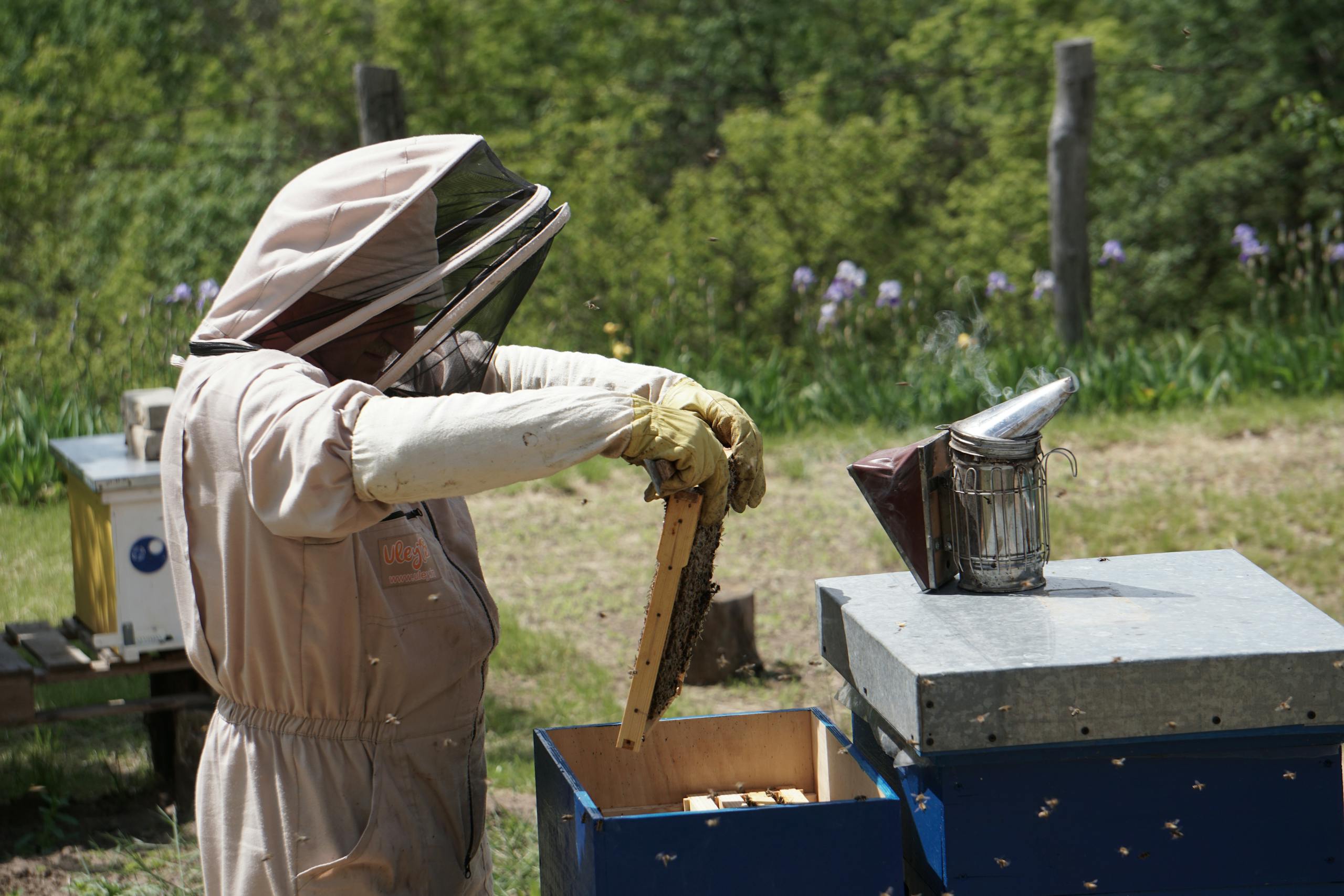
At minimum, you need a full veil, gloves, and a light-colored suit before you open any hive. According to the University of Florida IFAS Extension, proper protective clothing is one of the most basic requirements for safe beekeeping.
Never skip it, especially in your first year.
3. Buying Cheap or Low-Quality Equipment
It is tempting to cut costs when starting out. Equipment can seem expensive, and buying the cheapest option feels like smart saving.
But cheap beekeeping equipment usually causes more problems than it saves money.
Poorly made hive boxes may have gaps that expose bees to cold air and pests. Frames that do not fit properly make hive inspections harder and more disruptive to the colony. A broken smoker can leave you unable to calm bees during an inspection.
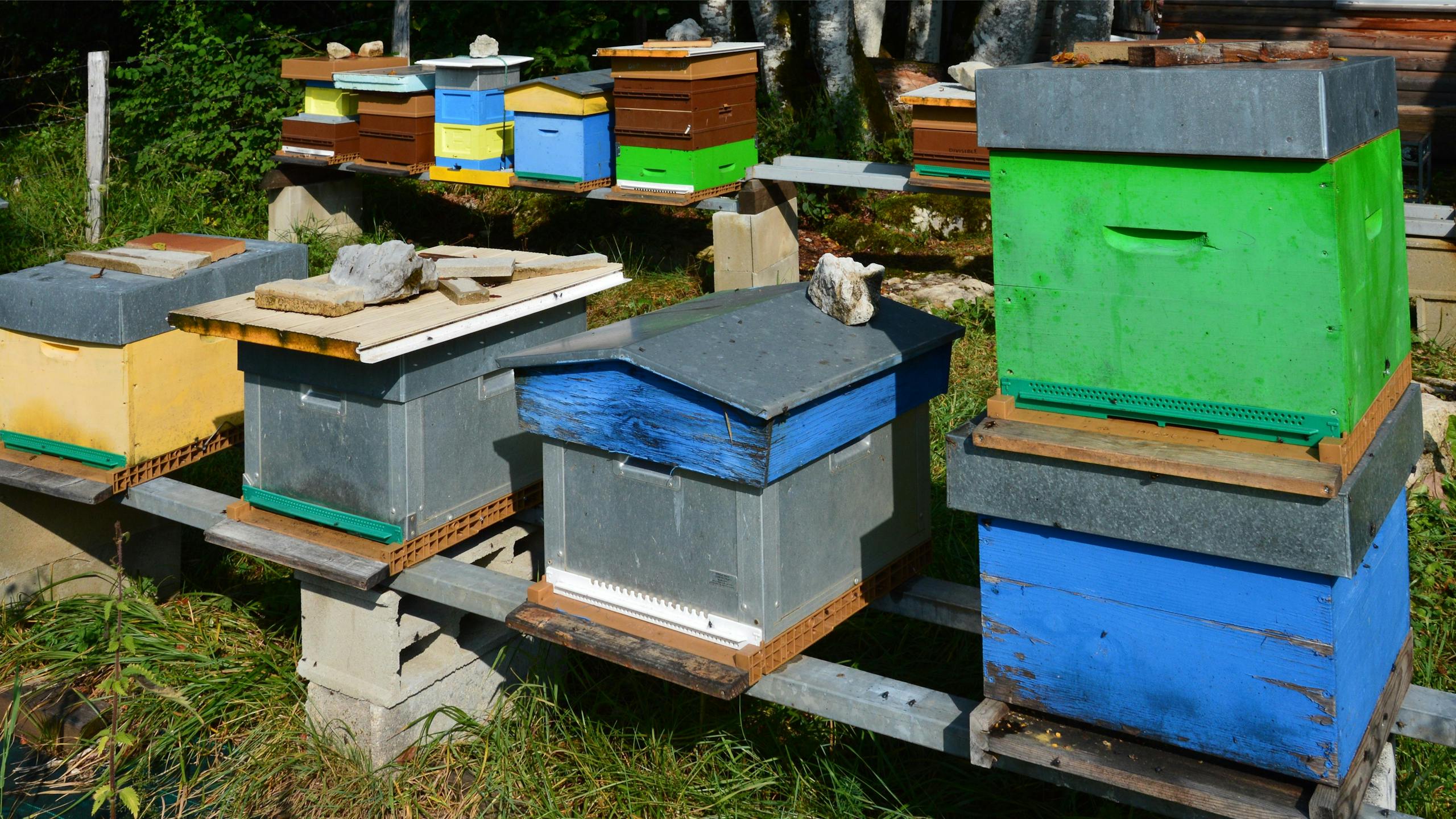
Invest in good quality equipment from the start. You do not need the most expensive brand, but you do need equipment that is built properly and fits the standard Langstroth dimensions most beekeepers use.
Check trusted suppliers and compare reviews before buying. Spending a little more upfront saves you from replacing everything later.
4. Placing the Hive in the Wrong Location
Where you place your hive matters more than most beginners think.
A poorly placed hive can stress your bees, make your colony weaker, and create conflict with neighbors or animals.
Here are the key rules for hive placement:
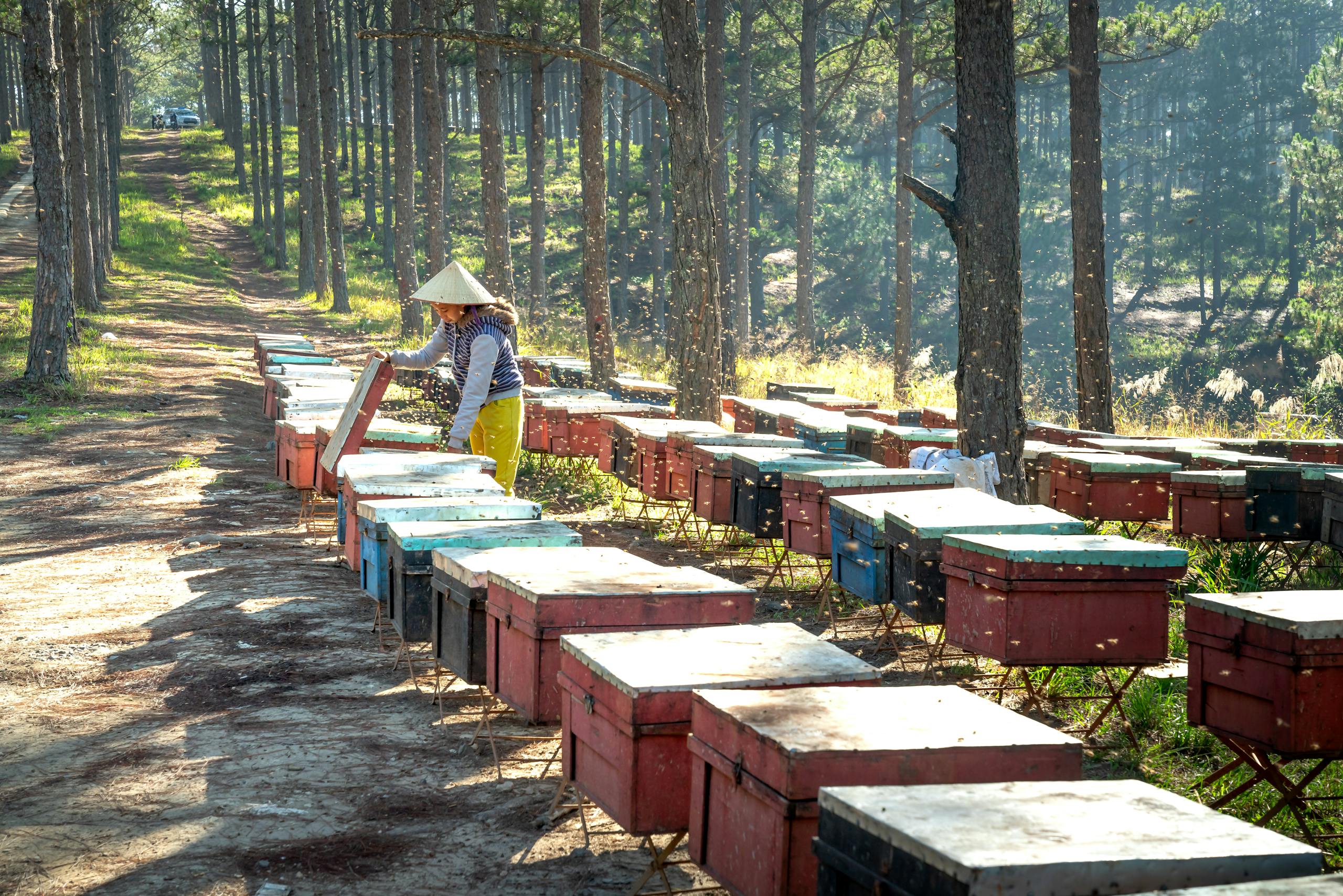
Face the hive entrance east or southeast. Morning sunlight encourages bees to start foraging early, which improves honey production.
Provide shade during the hottest part of the day. In Nigeria and other tropical regions, intense afternoon heat can overheat a hive and cause bees to leave.
Keep the hive away from foot traffic. Bees that feel constantly disturbed will become defensive.
Elevate the hive slightly off the ground. This protects against pests like ants and helps with drainage.
Place it near water. Bees need water every day. If there is no natural water source nearby, set up a shallow water dish with stones for bees to land on safely.
The Penn State Extension beekeeping guide gives detailed advice on hive placement for different climates. It is worth reading.
5. Opening the Hive Too Often
Beginners are usually excited. They want to check on their bees every day. They want to see what is happening inside.
This is completely understandable. But it is one of the most damaging things you can do to a new colony.
Every time you open a hive, you disturb the bees. You interrupt their work. You risk damaging brood, squishing the queen, or chilling the developing eggs. Too many inspections stress the colony and can make bees aggressive over time.
Most experienced beekeepers inspect their hives once every 7 to 10 days during the active season. That is enough to catch problems without causing unnecessary stress.
When you do open the hive, move slowly and deliberately. Use your smoker properly. Have a clear purpose for every inspection so you are in and out as quickly as possible.
6. Not Using a Smoker Correctly
The smoker is one of the most important tools in beekeeping. It calms bees by masking alarm pheromones, which reduces stinging behavior and makes inspections much safer.
But many beginners either forget to use it, use it wrong, or do not keep it lit long enough.
Here is what you need to know:
Light the smoker before you approach the hive. Use dry materials like wood chips, dried leaves, or cardboard. Pump it a few times to make sure it is producing cool, white smoke. Avoid hot smoke, which can harm bees.
Puff a few gentle puffs at the hive entrance before opening it. Then puff lightly across the top bars when you lift the lid. Do not over-smoke. A little goes a long way.
Keep the smoker nearby and ready throughout your inspection. If bees start buzzing more aggressively, apply a little more smoke.
Using the smoker properly makes a huge difference in how calm your bees stay.
7. Failing to Check for the Queen
Your queen bee is the heart of your colony. She is the only bee that lays fertilized eggs. Without her, the colony cannot grow and will eventually die.
Many beginners avoid looking for the queen because she is hard to spot. So they just skip it.
That is a mistake.
You do not need to find the queen on every inspection. But you do need to look for evidence that she is present and active. That evidence includes fresh eggs, young larvae, and a consistent pattern of capped brood on the frames.
If you inspect your hive and see no eggs or young larvae for more than two weeks, something may be wrong with your queen. The sooner you catch that, the better your chances of saving the colony.
Learning to spot eggs takes practice. They look like tiny grains of rice standing upright in the bottom of cells. Hold the frame up to natural light and look carefully.
8. Ignoring Varroa Mites
Varroa destructor mites are one of the biggest threats to bee colonies worldwide. These tiny parasites attach to bees and their larvae, weakening them and spreading viruses.
Many beginners have never heard of varroa mites when they start. Others know about them but assume it will not happen to their hive.
This is a costly assumption.
According to Bee Informed Partnership, varroa mites are the leading cause of colony loss globally. Without regular monitoring and treatment, a mite infestation can kill a colony in a matter of months.
Test your hive for varroa using a sugar roll or alcohol wash at least once every month during the active season. If mite levels are high, treat the hive using approved methods like oxalic acid or thymol-based treatments.
Do not wait until you see sick bees before acting. Monitor early. Treat early.
9. Overworking the Hive During Winter or Dry Season
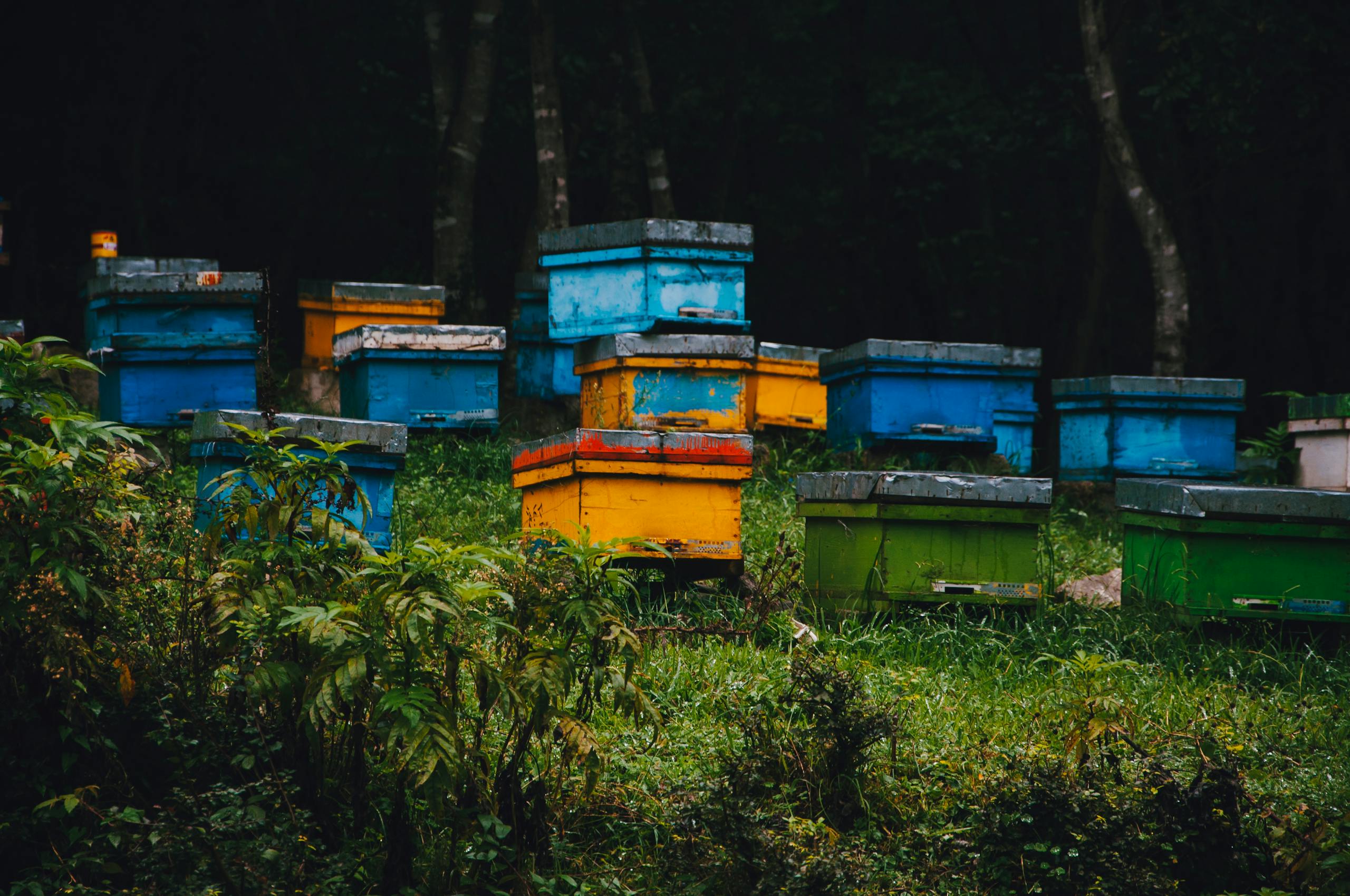
In cold climates, bees cluster together during winter to stay warm. In Nigeria and other tropical regions, the dry season can reduce flower availability, which means bees have less to eat.
Many beginners make the mistake of opening their hives too often during these stressful periods. Every opening lets heat or cool dry air into the hive, which forces bees to work harder to maintain the right internal temperature.
During stressful seasons, reduce your inspections to once every two weeks or less. Only open the hive when you have a clear reason to do so.
Also, check that your bees have enough food stores. If natural forage is scarce, supplement with sugar syrup or pollen patties. Letting a colony starve through the dry season is one of the most preventable causes of colony loss.
10. Harvesting Honey Too Early or Too Much
Every new beekeeper is excited about the first honey harvest. That is normal. But harvesting too soon or taking too much is a serious mistake.
Bees make honey not just for you, but for their own survival. They store it to feed the colony when flowers are not available.
If you harvest before the honey is fully capped, it will contain too much moisture and will ferment quickly. According to the National Honey Board, properly cured honey should have less than 18.6% moisture content. Fully capped honey in a sealed cell has reached that level.
Do not harvest until at least 80% of a frame is capped.
Also, never take all the honey from a hive. Leave enough for the bees to survive the next month or two. A general rule is to harvest from the top super boxes and leave the brood boxes and one honey super untouched.
Your bees need that reserve. Protect it.
11. Not Keeping Inspection Records
This one surprises many beginners. Why would you need to take notes on a beehive?
Because bees change over time. And without records, it is nearly impossible to spot patterns or problems early.
A simple notebook works perfectly. Each time you inspect, write down the date, what you saw, whether you spotted eggs or the queen, the mood of the bees, and any signs of disease or pests.
Over time, those notes will tell you if your colony is growing, shrinking, or showing early signs of trouble. They will help you make better decisions and give you something useful to share with a mentor or vet if you need help.
Good record keeping is a habit that separates average beekeepers from excellent ones.
12. Working Alone Without a Mentor
Beekeeping is learnable from books and guides. But having a mentor speeds everything up.
A mentor can show you what healthy brood looks like in person. They can walk you through your first inspection. They can help you identify a problem bee disease that you might misread from a photo.
Many national and local beekeeping associations connect beginners with experienced mentors. In Nigeria, organizations like the Nigerian Institute of Animal Science support livestock farming education including beekeeping.
If you cannot find a local mentor, join an online beekeeping community. Ask questions. Share photos of your frames. People in these communities are usually helpful and willing to share what they know.
You do not have to figure everything out alone.
Quick Summary: Mistakes to Avoid as a New Beekeeper
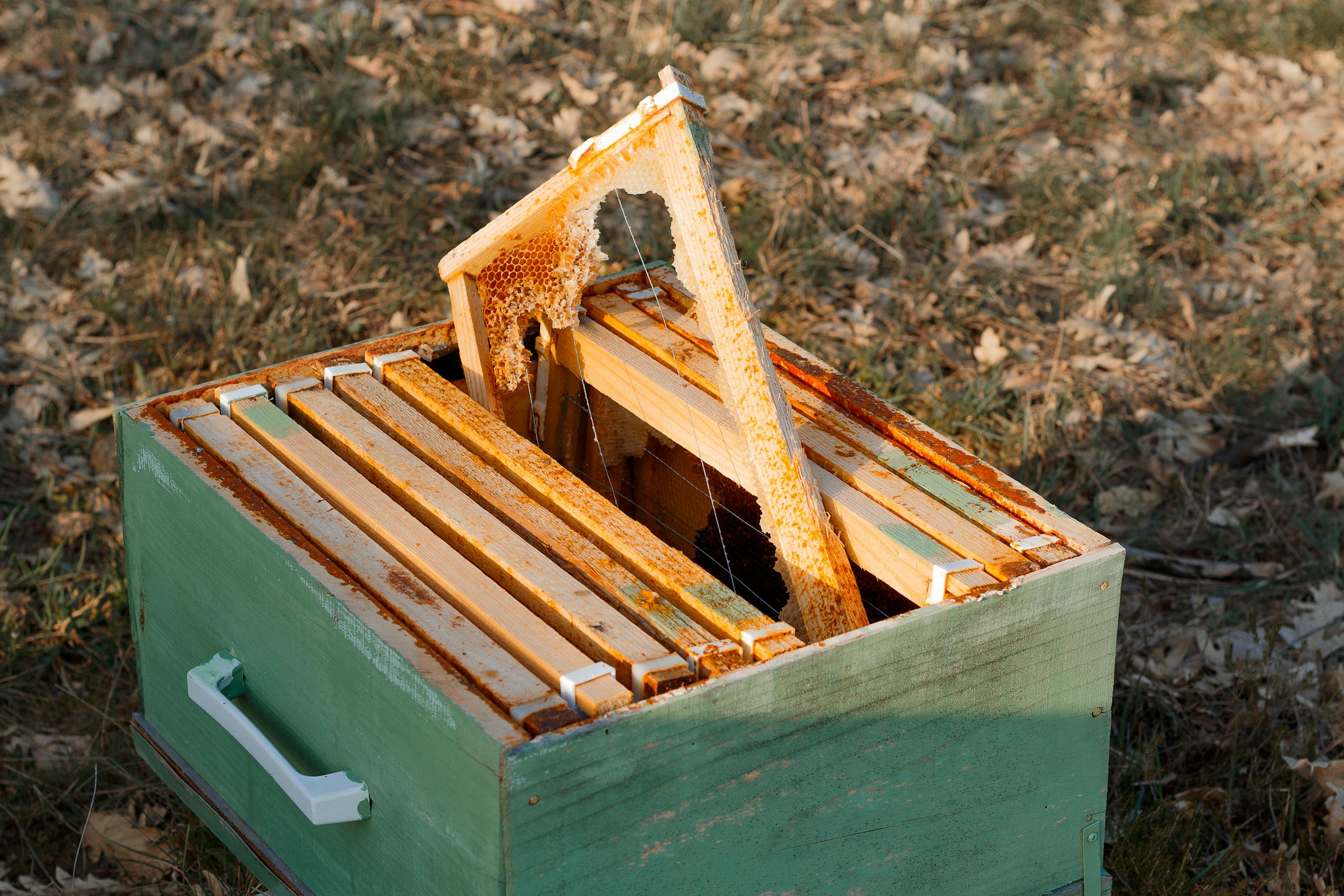
Here is a short reference list you can bookmark:
- Starting without proper training
- Skipping protective gear
- Buying cheap equipment
- Wrong hive placement
- Opening the hive too often
- Not using the smoker correctly
- Failing to check for queen activity
- Ignoring varroa mite monitoring
- Disturbing the hive during dry season or winter
- Harvesting honey too early or too much
- Not keeping inspection records
- Working without a mentor
Frequently Asked Questions
How often should a beginner inspect their hive? Once every 7 to 10 days during the active season is a good starting point. Inspect less often during cold or dry periods.
Do I really need a full bee suit as a beginner? Yes. Until you have months of experience and know how your specific colony behaves, always wear full protective gear including a veil, gloves, and a light-colored suit.
What is the best hive type for beginners? Most beginners start with a Langstroth hive. It is widely used, well-documented, and easy to find parts and support for in most countries.
How do I know if my queen is healthy? Look for a steady pattern of eggs and young larvae on the brood frames. A healthy queen lays in a tight, consistent pattern. Gaps in the brood pattern can signal queen problems.
Can I start beekeeping with just one hive? You can, but many experts recommend starting with two hives. Having two lets you compare colonies and borrow resources like eggs or frames from a healthy hive if one runs into trouble.
Final Thoughts
Beekeeping is one of the most rewarding farming practices you can start with low capital. It produces honey, beeswax, and other products that sell well in local and export markets.
But like any farming practice, it rewards preparation and punishes carelessness.
Avoiding the mistakes in this guide does not require special talent. It just requires that you take the time to learn, get the right tools, and respect the bees you are caring for.
At Zendric, our goal is to give every Nigerian farmer, from complete beginners to experienced growers, the practical knowledge they need to build a real, profitable farm.
If you are just starting your beekeeping journey, check out our full Beekeeping for Beginners guide to take the next steps with confidence.
You can also read our guide on how to start beekeeping at home to get a clear picture of everything you need before your first hive.
The bees are ready. Are you?
About the Author
Peter Uzodimma is the founder and lead agricultural consultant at Zendric. With over a decade of hands-on experience in Nigerian agriculture, Peter has trained more than 2,000 farmers across the country. He specializes in high-yield, low-capital micro-livestock farming including snail farming and beekeeping. His mission is to give every aspiring Nigerian farmer the tools and knowledge to build a profitable, sustainable farm from the ground up.
Published on Zendric.com.ng | Category: Beekeeping for Beginners