
Quick Answer: The best beehive for beginners is the Langstroth hive. It is easy to manage, widely available, and works well for both small and large beekeeping operations. If you are just starting out, a Langstroth hive gives you the smoothest learning curve and the best chance of success.
Why Choosing the Right Hive Matters
Starting beekeeping without the right hive is like building a house on a bad foundation.
The hive you choose affects how much honey you collect, how healthy your bees stay, how easy inspections are, and how quickly you learn the craft.
Most beginners lose interest in beekeeping not because of the bees, but because they chose a hive that was too complicated to manage. This guide will help you avoid that mistake.
I have been working in agriculture for over a decade here in Nigeria through Zendric, and beekeeping is one of the most rewarding small farming ventures you can start with low capital. But getting the foundation right is everything.
The 5 Most Common Beehives for Beginners
Before we go deep into the best choice, you need to know what options exist. There are five types of hives that most beginners come across.
1. Langstroth Hive
This is the most popular beehive in the world. It was invented by Reverend Lorenzo Langstroth in 1851 and has been the standard ever since.
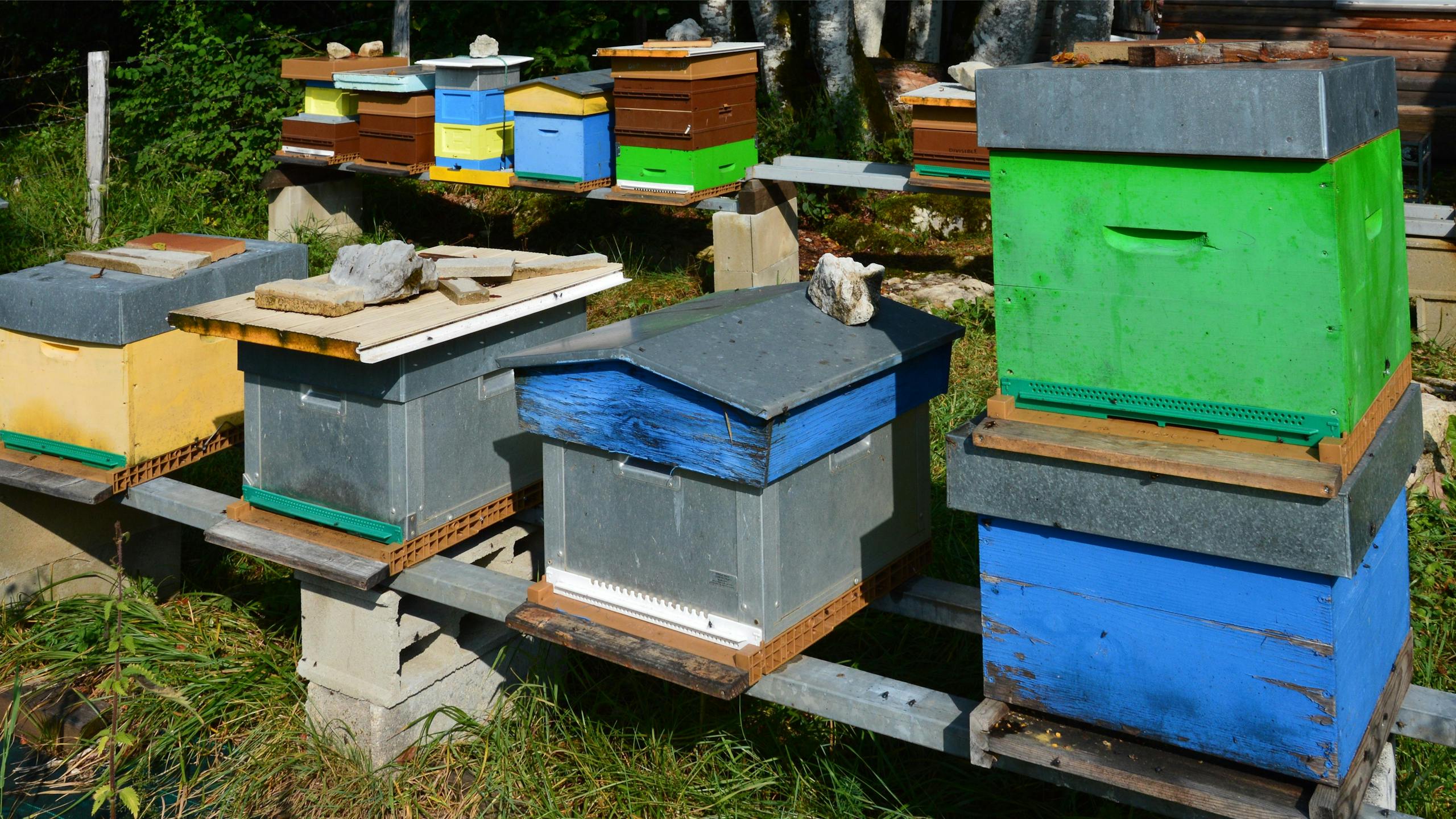
The Langstroth hive is made up of rectangular wooden boxes stacked on top of each other. Each box holds frames where bees build their honeycomb.
You can add more boxes as your colony grows. That flexibility makes it a favorite for beginners and experienced beekeepers alike.
Best for: Complete beginners who want a simple, expandable system.
2. Top Bar Hive
A top bar hive is a long, horizontal box. Instead of frames, bees build comb hanging from bars placed across the top of the box.
It is a low-cost option and fairly easy to build yourself. However, the combs can break easily during inspection, which makes management harder for new beekeepers.
Best for: Beginners in warm climates who want a budget-friendly option and do not plan to harvest large amounts of honey.
3. Warre Hive
The Warre (pronounced “war-ray”) hive was designed by French monk Emile Warre in the early 1900s. It mimics how bees live in the wild.
Instead of adding boxes to the top, you add new boxes to the bottom. Bees build from the top down, which is more natural for them.
The downside is that inspections are harder, and you have to lift heavy boxes during management.
Best for: Beginners who prefer a more natural, low-intervention style of beekeeping.
4. Flow Hive
The Flow Hive became popular after a successful crowdfunding campaign. It has a special mechanism that lets you harvest honey directly from a tap on the outside of the hive, without opening it.
This sounds ideal for beginners, but there is a catch. It is expensive, and it can give new beekeepers a false sense that they do not need to inspect or manage their hives regularly. Bees still need monitoring, disease checks, and swarm control.
Best for: Beginners who have a higher budget and still commit to regular hive inspections.
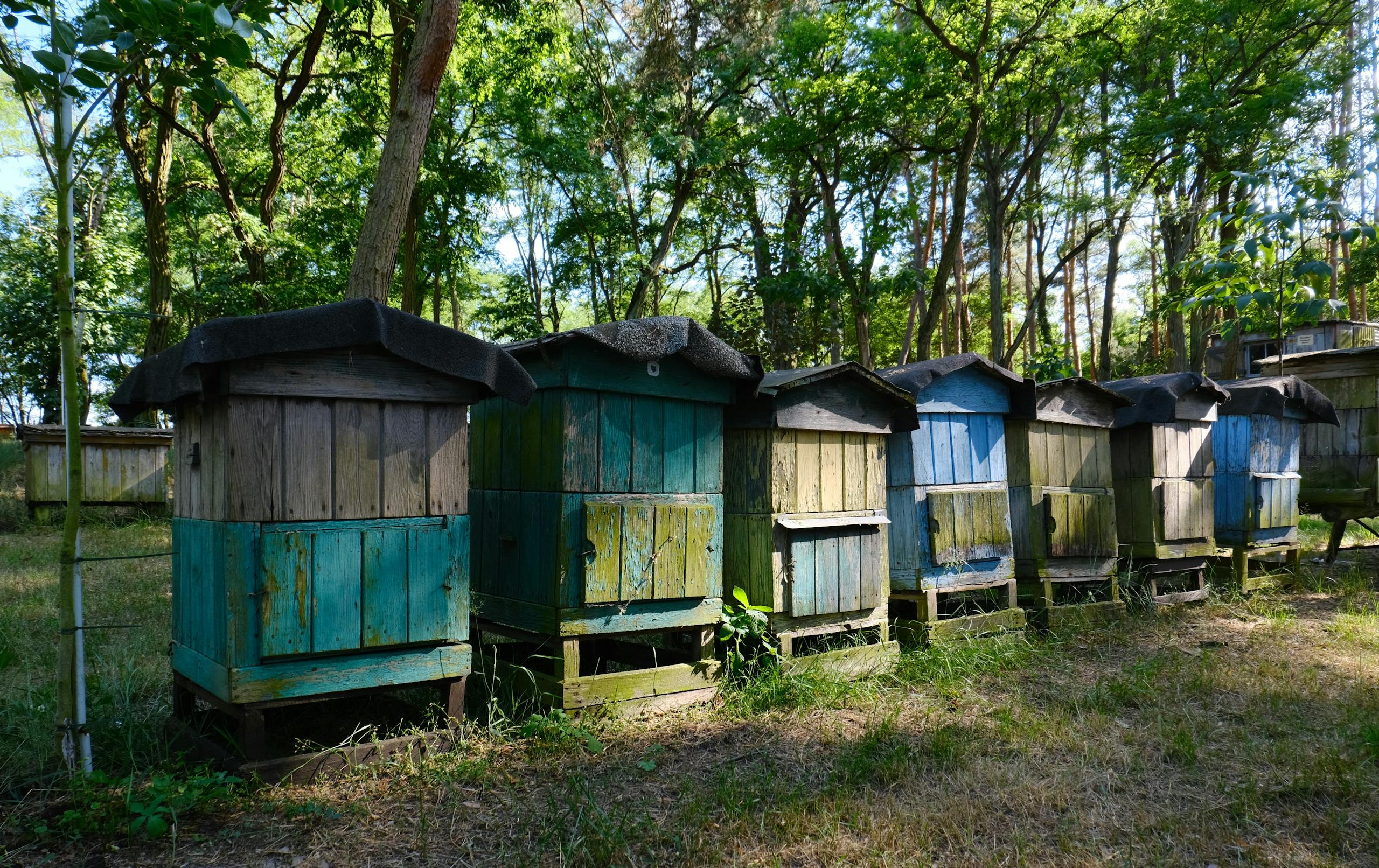
5. Log Hive (Traditional Hive)
In many parts of Africa, traditional log hives have been used for centuries. They are cheap to make, but very difficult to manage. You can not properly inspect frames, control disease, or scale honey production with a log hive.
Best for: Cultural practice or hobbyists. Not ideal for anyone serious about production.
Why the Langstroth Hive Is the Best Choice for Beginners
After looking at all five options, the Langstroth hive comes out on top for beginners. Here is why.
It Has Removable Frames
The most important feature of a good beginner hive is the ability to inspect your bees easily. The Langstroth hive uses removable frames, so you can pull out each frame, look at it, and put it back without damaging the comb.
This makes it much easier to spot problems like disease, a failing queen, or overcrowding.
According to the American Beekeeping Federation, regular hive inspections are one of the most important things a beekeeper can do to keep their colony healthy.
Parts Are Easy to Find and Replace
Because Langstroth hives are the global standard, replacement parts are available almost everywhere. Whether you need a new frame, a new box, or a new bottom board, you can find it at most beekeeping supply stores.
This matters a lot when you are starting out and do not want to deal with custom-built parts.
It Grows with Your Colony
A Langstroth hive starts small. As your bee colony grows, you simply add another box on top. This system, called “supering,” allows the colony to expand naturally without you needing to buy a completely new hive.
Tons of Learning Resources Exist
Because the Langstroth is so widely used, there are thousands of guides, videos, courses, and forums dedicated to managing it. When you run into a problem, you can find an answer quickly.
This is a big advantage for a beginner who is still learning.
It Produces More Honey
Studies have shown that well-managed Langstroth hives consistently produce more honey than top bar or Warre hives. The University of Florida IFAS Extension notes that proper hive management with Langstroth-style equipment leads to better colony productivity.
More honey means more income if you plan to sell, and more reward for your effort.
What Comes in a Beginner Langstroth Hive Setup
When you buy your first Langstroth hive, it usually comes with several parts. Here is what each part does.
Bottom Board: This is the floor of the hive. Bees enter and exit through an opening at the front called the entrance. A screened bottom board helps with ventilation and pest control.
Brood Box (Deep Box): This is the main living area of the hive. The queen lays her eggs here, and young bees develop in this box. It usually holds 10 frames.
Frames and Foundation: Each frame holds a sheet of wax or plastic foundation. Bees use this foundation as a guide to build their honeycomb.
Queen Excluder: This is a thin grid that sits between the brood box and the honey supers. Its holes are large enough for worker bees to pass through but too small for the queen. This keeps the queen from laying eggs in your honey storage area.
Honey Super (Shallow Box): This is where bees store honey. It sits above the queen excluder. When the super is full of capped honey, you harvest it.
Inner Cover and Outer Cover: These cover the top of the hive. The inner cover provides insulation and ventilation. The outer cover protects everything from rain.
How to Set Up Your First Langstroth Beehive
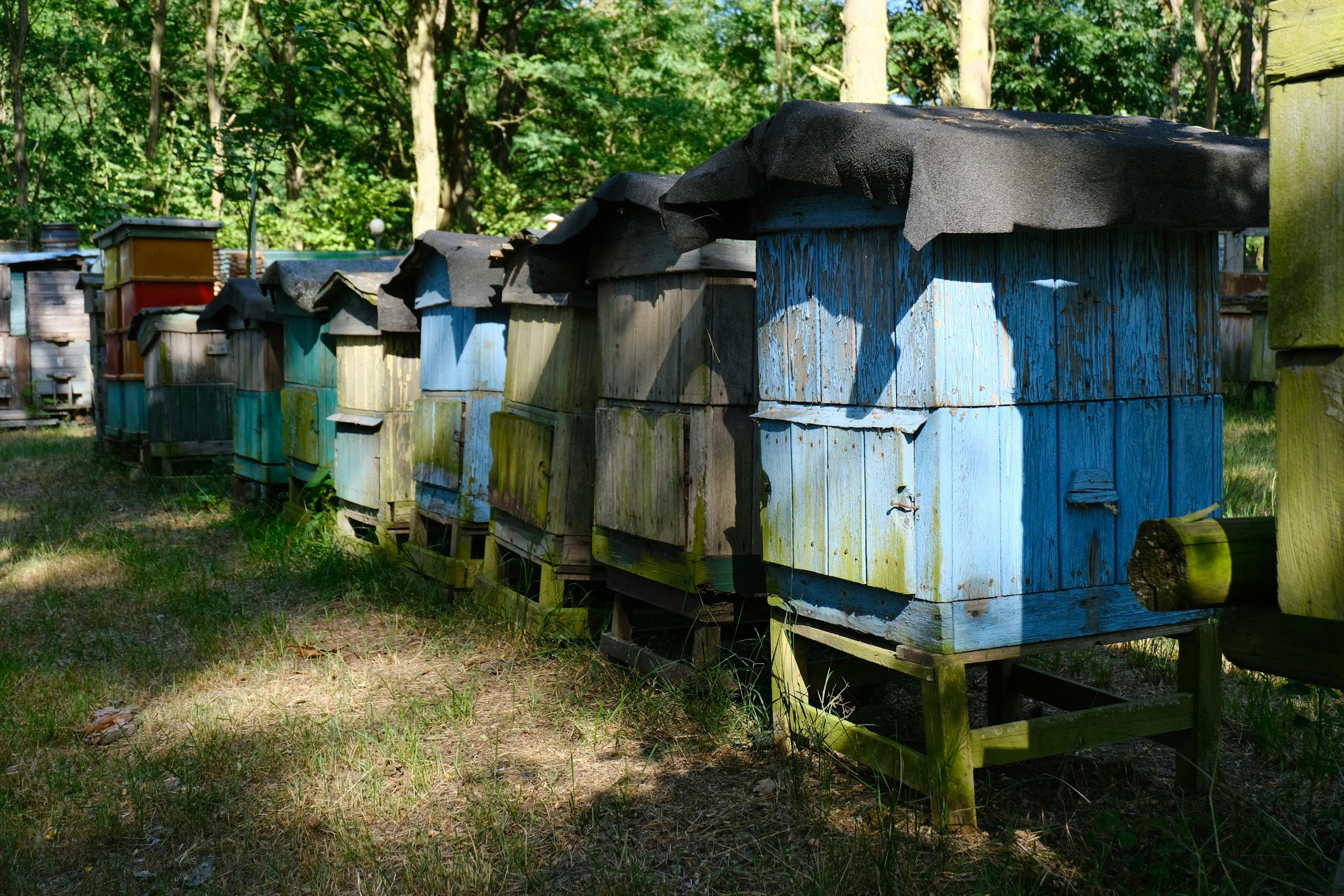
Setting up your hive correctly from the start saves you a lot of problems later. Follow these steps carefully.
Step 1: Choose a Good Location
Pick a spot that gets morning sunlight and afternoon shade. Morning sun encourages bees to start foraging early. Afternoon shade keeps the hive from overheating.
Make sure the hive faces east or southeast if possible. Place it away from foot traffic, pets, and children’s play areas.
Elevate the hive off the ground, about 30 to 60 centimeters, using a stand or cinder blocks. This keeps moisture out and discourages ants.
Make sure there is a water source nearby. Bees need water every day. A shallow dish with pebbles works well. This keeps bees from traveling to your neighbor’s pool or water taps.
Step 2: Assemble the Hive
Follow the instructions that come with your hive kit. Most Langstroth hives snap together or are held with wood screws.
Make sure all boxes sit level. An uneven hive causes bees to build crooked comb, which makes inspections much harder.
Paint the outside of wooden hive bodies with exterior-grade paint to protect them from rain and humidity. Do not paint the inside.
Step 3: Install Your Bees
You have three options for getting your first bees.
Package bees are a screened box of bees with a mated queen. They are available from beekeeping suppliers and are a common starting choice.
A nucleus colony (nuc) is a small established colony with frames already containing brood, honey, and a laying queen. This is the easiest option for beginners because the colony is already working.
A swarm is a free option, but harder to manage if you are new.
For beginners, a nucleus colony is the recommended choice. The bees are already settled, and the queen is already laying. You are less likely to make mistakes with an established colony.
The Honey Bee Health Coalition recommends nucleus colonies for new beekeepers because they give the beekeeper a head start with a functioning colony.
Step 4: Perform Your First Inspection
Wait 5 to 7 days after installing your bees before opening the hive. This gives them time to settle in and start building.
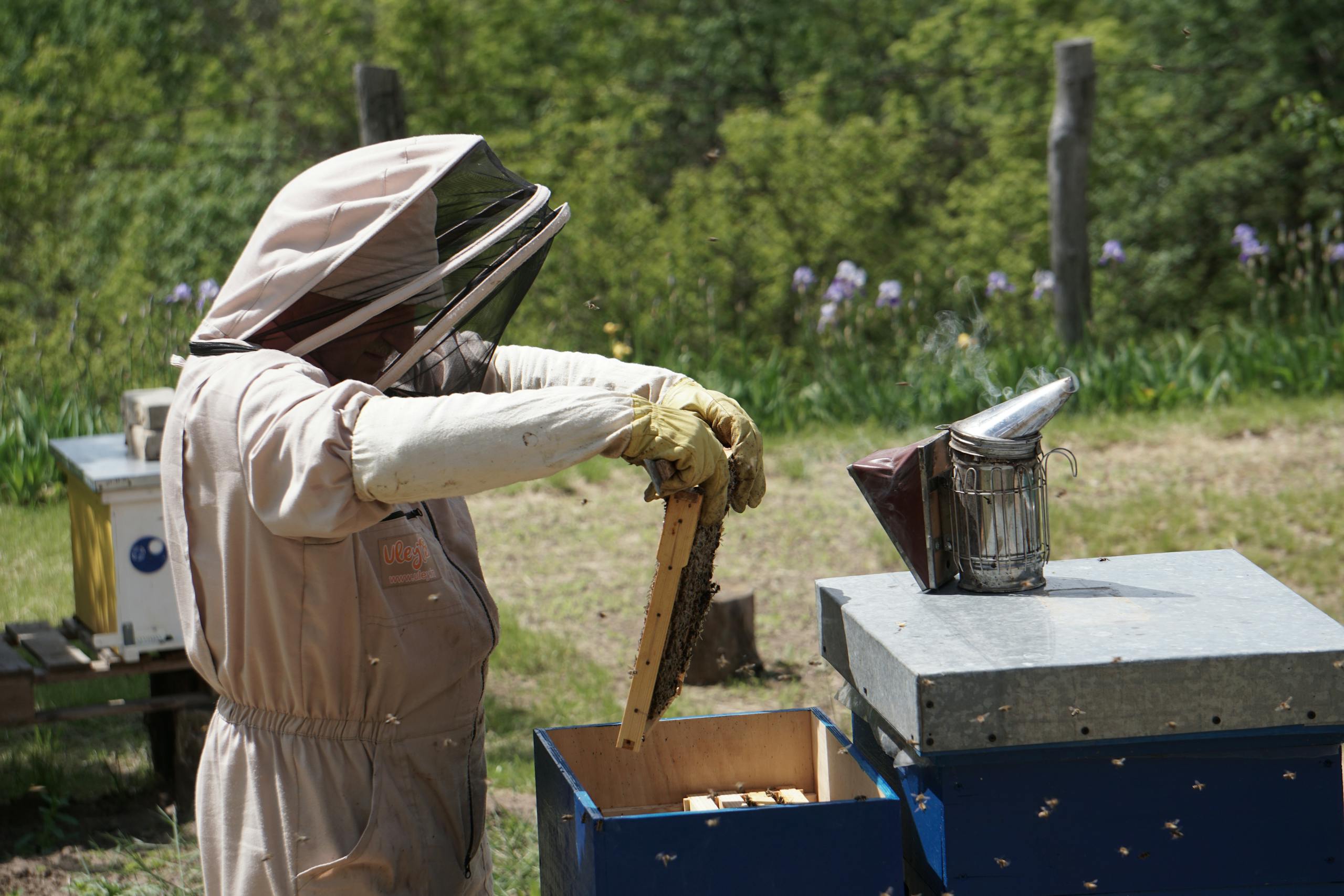
Wear your full protective gear: a veil, gloves, and a beekeeping suit. Light your smoker and use it gently at the entrance before opening the hive. Smoke calms bees by masking alarm pheromones.
Remove frames one at a time. Look for:
- Eggs (tiny white grains standing upright in cells)
- Young larvae (small white grubs in C-shapes)
- Capped brood (cells covered with tan-colored wax caps)
- The queen (she is longer than worker bees)
- Stored honey and pollen
Seeing all of these means your colony is healthy and active.
Step 5: Add a Super When Needed
When your brood box is about 70 to 80 percent full of bees and comb, it is time to add your first honey super.
Place the queen excluder on top of the brood box, then set the super on top of that.
Do not add the super too early. Bees need to fill the brood box before they will move up into the super.
Essential Beekeeping Tools You Need as a Beginner
A hive alone is not enough. You also need a few basic tools.
Hive Tool: A flat metal bar used to pry apart frames and boxes that bees have glued together with propolis. Never try to open a hive with your bare hands.
Smoker: A metal device with bellows that produces cool, white smoke. This is your most important safety tool. Always have it lit before you open the hive.
Bee Suit: A full-body suit with an attached veil protects you from stings. Even calm bees can sting when they feel threatened.
Gloves: Leather or rubber gloves protect your hands. Thick leather gloves are harder to sting through, but thin rubber gloves give you better dexterity.
Bee Brush: A soft brush for gently moving bees off frames during harvest.
Uncapping Fork or Hot Knife: Used to remove the wax caps from honey cells before extracting honey.
You can read more about setting up profitable small-scale farming operations on the Zendric blog, where we cover practical guides for Nigerian farmers.
Common Beginner Mistakes and How to Avoid Them
Even with the right hive, new beekeepers make avoidable mistakes. Here are the most common ones.
Inspecting Too Often
Opening the hive every two or three days disturbs the bees. It takes them time to recover from each inspection. Inspect every 7 to 10 days during active season. Once a month is fine during slow periods.
Not Using the Smoker Properly
Many beginners light the smoker and do not maintain it during inspection. If the smoker goes out mid-inspection, the bees can become defensive quickly.
Practice keeping your smoker going before you open the hive. Use dry wood chips, cardboard, or dry leaves as fuel.
Ignoring Swarm Signs
Swarming is when half the colony leaves with the old queen to form a new colony. It happens when the hive feels overcrowded.
You can spot swarm preparations by looking for queen cells, which look like peanut-shaped wax structures on the edge or bottom of frames.
Add another box early and consider splitting the hive if you see swarm signs. The Bee Informed Partnership recommends proactive swarm management as one of the top strategies for keeping colonies productive.
Skipping Pest Management
Varroa mites are tiny parasites that weaken and kill bee colonies. They are one of the leading causes of colony loss worldwide.
Test for varroa using an alcohol wash or a sugar roll every 1 to 2 months. Treat the hive if mite levels go above 3 mites per 100 bees. Your local beekeeping association can guide you on approved treatments in your area.
Adding Too Many Boxes Too Fast
More boxes do not always mean more honey. If the colony is small, it can not heat, defend, and fill extra boxes. A small colony in a huge hive struggles and is more likely to fail.
Start with one brood box. Add only when the bees are actively using 70 to 80 percent of the current space.
How Much Does a Beginner Beehive Setup Cost?
The cost of a beginner Langstroth hive setup varies depending on where you buy and what is included.
A basic kit usually includes the hive body, frames, foundation, a bottom board, covers, and sometimes a smoker and hive tool. In Nigeria, local suppliers and agricultural markets often carry these at prices accessible to small-scale farmers.
Budget for:
- Hive kit
- Protective gear (suit, veil, gloves)
- Smoker and hive tool
- Nucleus colony or package bees
Getting your bees from a local beekeeper or an agricultural cooperative can reduce startup costs significantly. At Zendric, we regularly share practical tips on how to start farming ventures in Nigeria with low capital.
How Long Before You Harvest Honey?
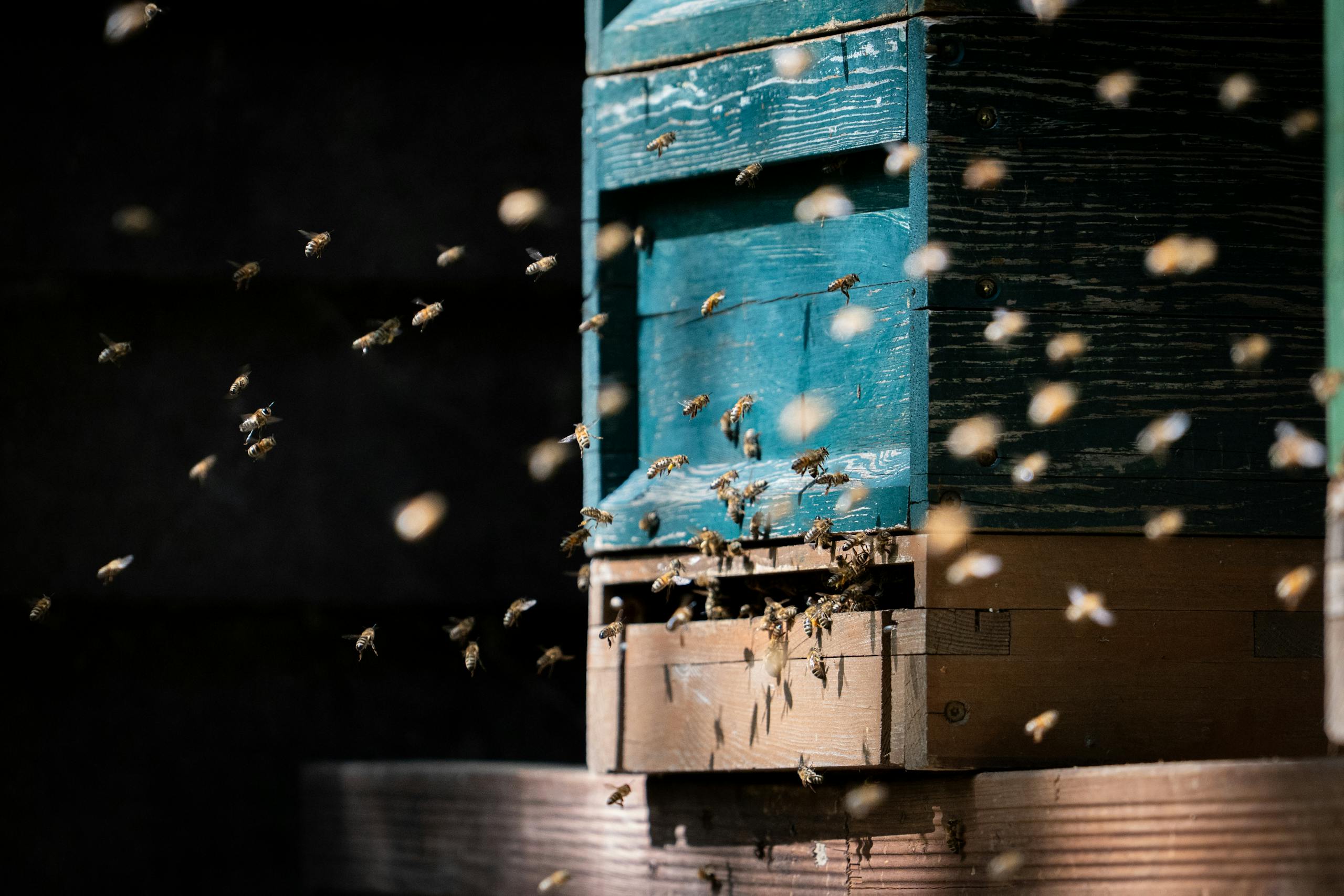
Most beginner beekeepers harvest their first honey about 6 to 12 months after starting. This depends on:
- The strength of your starting colony
- How much forage (flowers) is available in your area
- How well you manage the hive
Do not harvest in the first year if your colony is still small. Let the bees build up their winter or dry-season stores first. A colony with insufficient stores can starve.
When the super is at least 80 percent full of capped honey, it is ready for harvest. Uncap the frames, extract the honey using a hand or electric extractor, filter it, and bottle it.
Frequently Asked Questions
What is the easiest beehive for a beginner? The Langstroth hive is the easiest beehive for a beginner. It has removable frames, is widely available, and has the most learning resources attached to it.
Can I keep bees in my backyard? Yes, many people keep bees in backyard gardens. Check local laws and regulations in your area first. Make sure the hive entrance does not face a neighbor’s fence or walkway directly.
How many hives should a beginner start with? Start with two hives. Two hives let you compare colonies side by side, which helps you learn faster. If one queen fails, you can also use resources from the second hive to help rescue it.
Do bees need to be fed? Yes, sometimes. During dry season or periods when flowers are not blooming, bees can run short on food. You can feed them a sugar syrup made from white sugar and water in equal parts.
How dangerous is beekeeping? Beekeeping is very manageable with the right protective gear and calm movements. Most stings happen when beekeepers rush or forget their gear. If you are allergic to bee stings, consult a doctor before starting.
Final Thoughts
Choosing the right beehive is your first real decision as a beekeeper. Get it wrong and you will spend more time fixing problems than enjoying the craft.
The Langstroth hive gives beginners the best combination of simplicity, flexibility, and productivity. Start with a nucleus colony, get your basic tools in order, inspect regularly, and watch your colony grow.
Beekeeping is not just a hobby. Managed properly, it is a real source of income. Honey, beeswax, and pollination services all have strong markets, especially in Nigeria where demand for natural honey continues to grow.
At Zendric, we help everyday Nigerians build profitable farms from the ground up. Whether you are starting with snails or bees, our guides and free tools are designed to give you a real foundation, not just theory.
Take the first step. Get your hive. Start learning. The bees will teach you the rest.
About the Author
Peter Uzodimma is the founder and lead agricultural consultant at Zendric. With over a decade of hands-on experience in Nigerian agriculture, Peter has trained thousands of farmers and helped build scalable agribusiness models across the country. He writes practical, data-backed guides on snail farming and beekeeping to help Nigerians start profitable farms with low capital.
Published on Zendric — Your trusted guide to profitable livestock farming in Nigeria. Visit us at zendric.com.ng