
Starting beekeeping is an exciting journey. You will help your local environment and maybe even harvest your own fresh honey. But before you get your bees, you need to have the right tools ready.
Think of it like preparing for a new pet. You need a safe home, food, and the tools to take care of it properly. The same is true for bees. Having your equipment ready will make your first day as a beekeeper smooth and stress free.
This guide from Zendric, written with over a decade of agricultural experience in Nigeria, gives you a complete list of the basic beekeeping equipment every beginner needs. We will keep it simple and easy to understand so you can start with confidence.
The Beehive: Your Bees’ New Home
The most important piece of equipment is the beehive itself. This is the structure where your colony will live, raise their young, and store honey. There are a few different types of hives, but for beginners, one stands out.
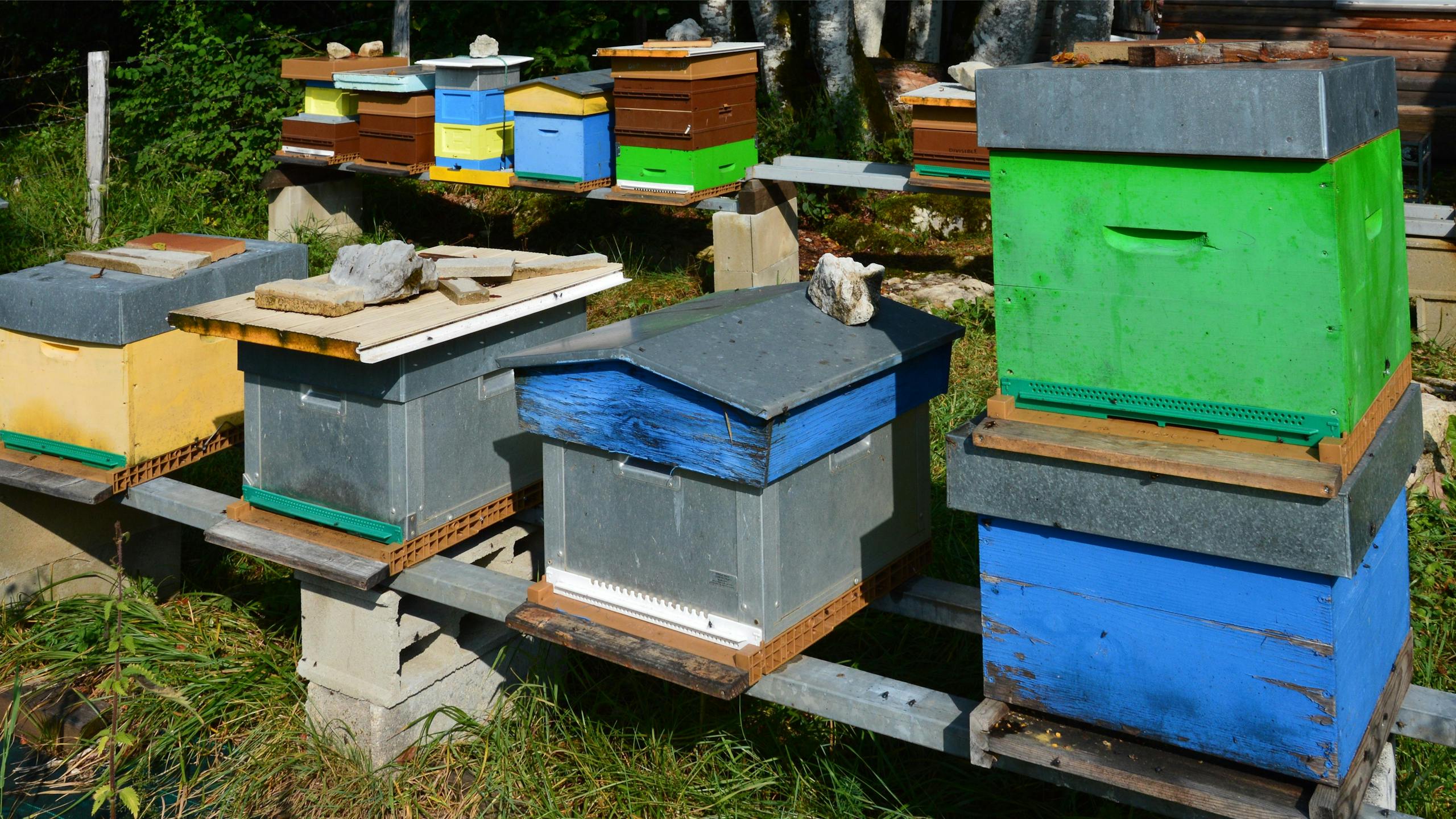
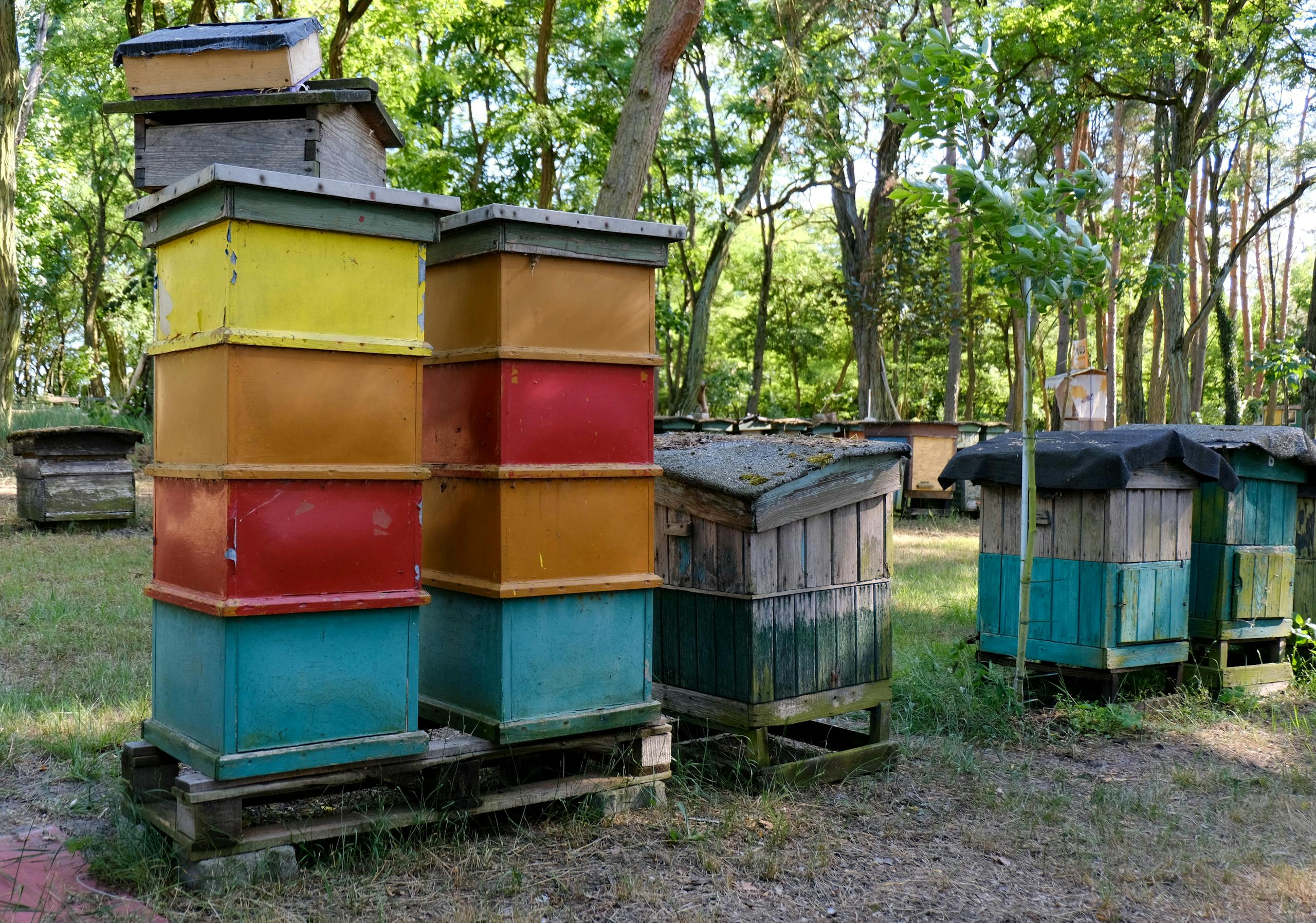
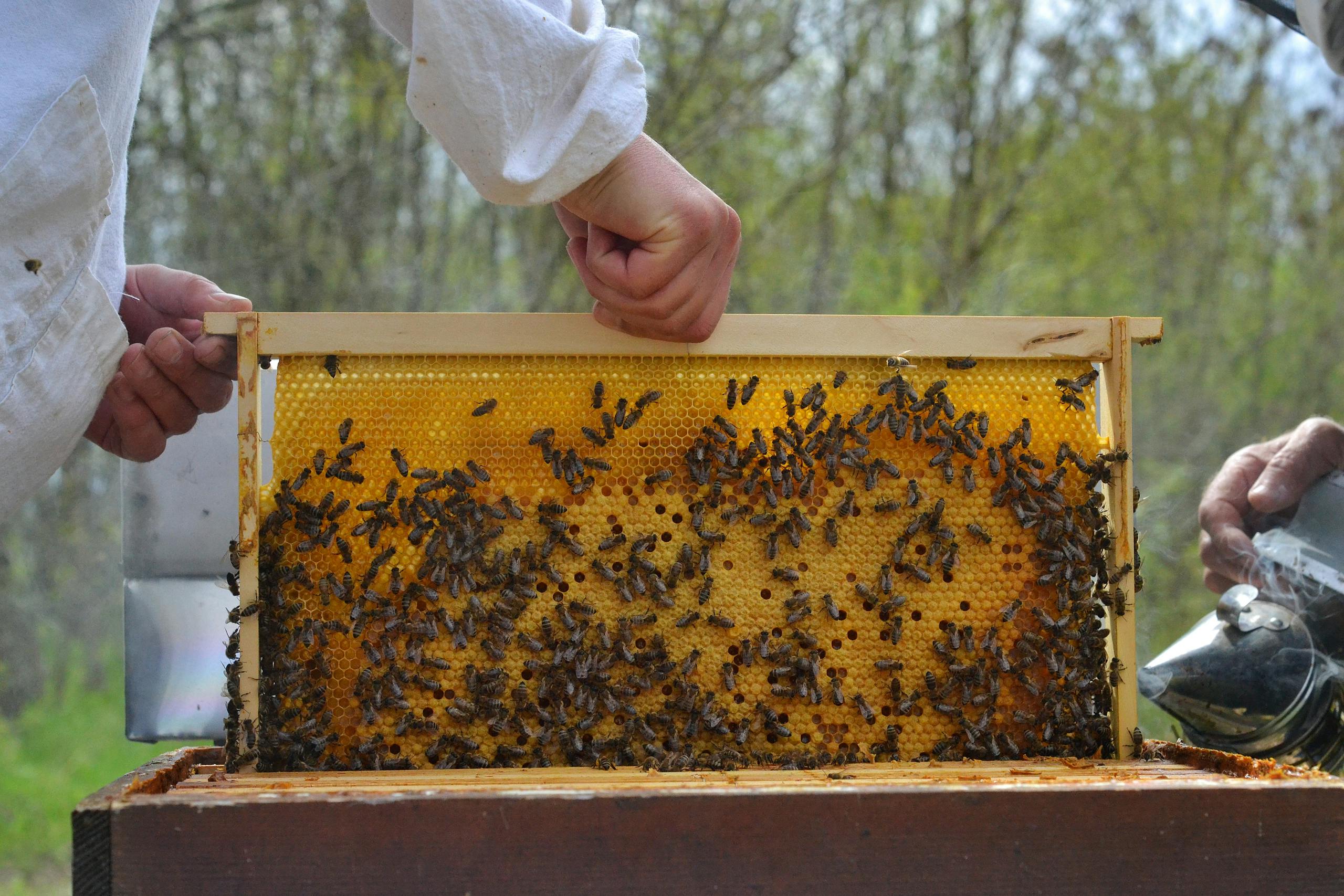
The Langstroth hive is the best choice for almost every new beekeeper. It is the standard used worldwide. This design uses stacked wooden boxes. Inside each box, removable wooden frames hang neatly. These frames hold the beeswax foundation where bees build their honeycomb.
This setup is excellent for beginners because it is modular. You can add more boxes on top as your colony grows bigger and stronger. The removable frames also let you easily inspect the hive for health and disease without destroying the comb.
The basic 10 frame Langstroth hive consists of a few key parts:
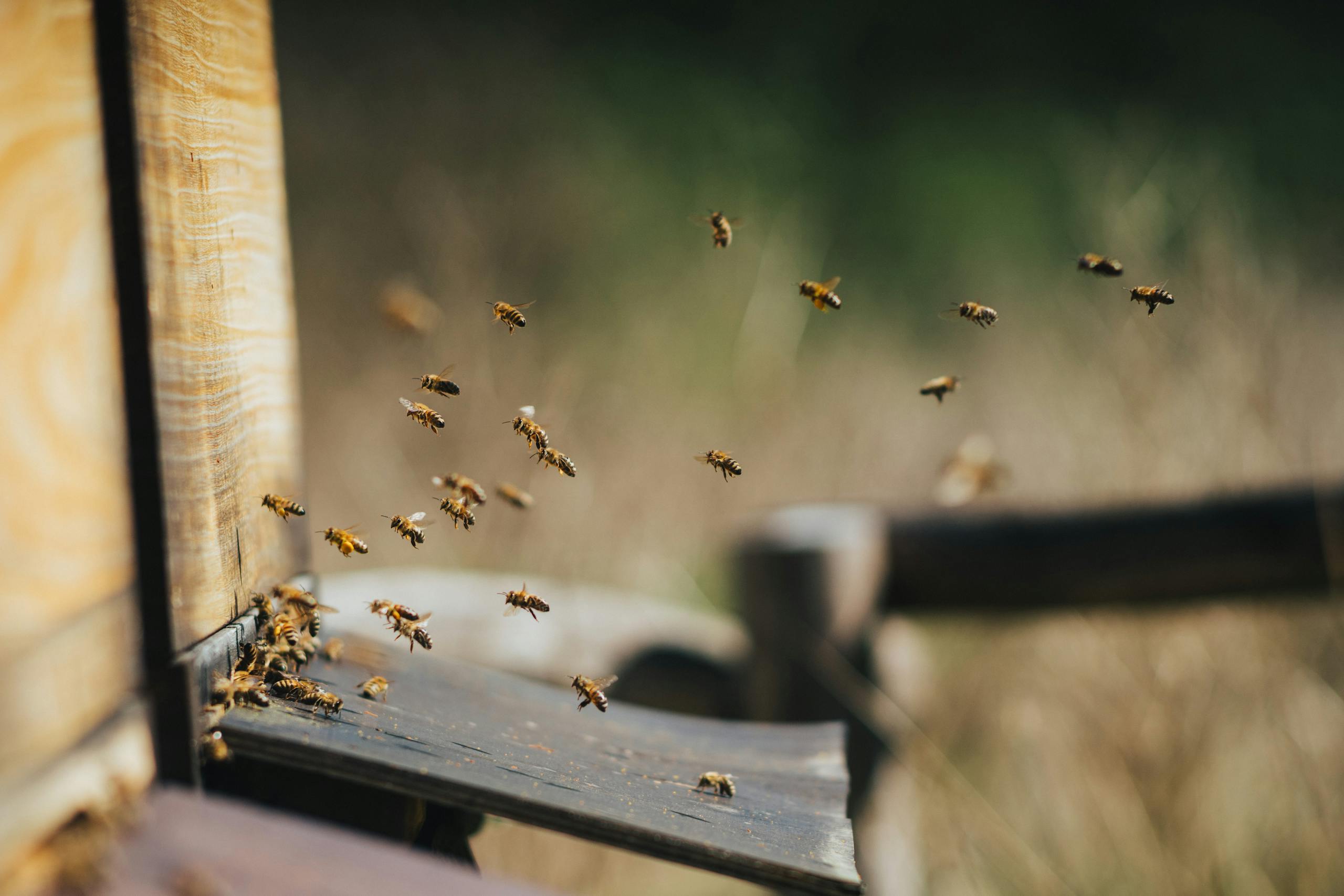
- Bottom Board: This is the floor of the hive. It sits on a stand and has the main entrance for the bees.
- Hive Bodies (Brood Boxes): These are the deep wooden boxes where the queen lays her eggs and the worker bees store pollen and honey for their own food. You usually need one or two of these to start.
- Honey Supers: These are smaller, shallower boxes placed on top of the brood boxes. Bees will fill these with extra honey. This is the honey that you will eventually harvest for yourself.
- Frames and Foundation: Inside every box are wooden frames that hold sheets of foundation. The foundation is made of beeswax or plastic and has a honeycomb pattern stamped on it. This gives the bees a guide to start building their own straight, neat combs.
- Inner Cover: This sits directly on top of the uppermost box and under the outer lid. It creates a small amount of dead air space that helps insulate the hive and keeps it cooler in the sun and warmer in the cold.
- Outer Cover: This is the roof of the hive. It is often called a telescoping cover and is usually covered with metal to protect the hive from rain, sun, and wind.
You will often see 8 frame and 10 frame hive options. The 10 frame is standard, but an 8 frame hive is lighter because it holds fewer frames and less honey. This can be a big advantage if lifting heavy boxes is a concern for you.
Protective Clothing: Your Personal Armor
Working with bees is safe and enjoyable when you feel protected. When you are calm, the bees stay calmer. The right clothing gives you that peace of mind.
The Beekeeper Suit A full body beekeeping suit is the gold standard for beginners. It is a one piece garment, usually made of thick white cotton or a cotton blend, that covers you from your ankles to your neck.
The fabric is thick enough to prevent stingers from reaching your skin. The suit should have strong elastic cuffs at the wrists and ankles to stop any curious bees from crawling inside.
A full suit costs between $80 and $150 depending on the quality. If you live in a hot climate, like here in Nigeria, investing in a ventilated suit is a very smart decision. These suits are made with multiple layers of breathable mesh that allow air to flow through. This keeps you much cooler during long inspections under the hot sun.
The Beekeeping Jacket and Veil If a full suit feels too bulky for a quick check on the hive, a jacket and veil combo is a great alternative. It provides the same upper body and head protection but leaves your legs covered by your regular jeans or work pants. This is a lighter, more flexible option for experienced keepers or for quick jobs on cool days.
The Bee Veil The veil is the single most important piece of protective gear you will own. It covers your head and face, keeping bees away from your eyes, nose, and mouth. A sting to the face is painful and can be dangerous. Even if you wear nothing else, you must always wear a veil when you open a hive.
Veils are usually attached to a hat or helmet. The helmet has a wide brim that holds the mesh veil away from your face. If the mesh touches your skin, a bee can sting you through it. Make sure your veil is securely zipped or tied to your jacket to create a complete seal.
Beekeeping Gloves Your hands will be doing most of the work. A good pair of beekeeping gloves is essential. For beginners, soft leather gloves, often made from goatskin or calfskin, are the best choice. They are flexible enough to let you pick up frames and tools easily, but thick enough to protect your hands and wrists from stings.
These gloves have long sleeves, or gauntlets, that go up to your elbow and fit snugly over your suit cuffs to prevent gaps. A decent pair will cost around $15. As you get more comfortable handling your bees, you might switch to thicker disposable rubber gloves, which offer great dexterity and are easy to clean.
Footwear Do not forget your feet. Wear strong, closed toe boots. You should tuck your pant legs into your boots or use a strap to seal them. This prevents bees from crawling up inside your pant leg and getting trapped against your ankle.
The Beekeeper’s Tools: Must Have Equipment
With your hive and your protective gear ready, you need a few key tools to actually manage the colony. These are the items you will use during every single hive inspection.
The Smoker The smoker is one of the most valuable tools in beekeeping. It is a metal canister with a bellows attached. You light a small fire inside using natural materials like pine needles, dry grass, wood shavings, or burlap.
When you puff the bellows, the smoker releases cool, thick, white smoke. You direct a few puffs of this smoke into the hive entrance and across the top frames before you open the hive.
This smoke has a powerful effect. It masks the alarm pheromones that guard bees release when they sense danger. It also triggers the bees to start eating honey, which makes them more docile and focused on their own food rather than on you. This simple tool makes inspections calm and safe for both you and the bees.
Always light your smoker before you even approach the hive. Keep it nearby and give it a few puffs of air every so often to keep the smoke going. A smoker that goes out in the middle of an inspection can leave you in a difficult spot.
The Hive Tool If the smoker is the most important tool for calming bees, the hive tool is the most important tool for doing the actual work. This is your multi purpose beekeeping crowbar. It is a flat bar of steel with one curved end and one flat, sharp end.
Bees use a sticky, glue like substance called propolis to seal every tiny crack and gap in their hive. This makes the wooden boxes and frames stick together very tightly. You will use the flat end of the hive tool to pry these boxes apart. You will use the curved end to hook under a frame and lift it out of the box. You will also use it to scrape off excess wax and propolis buildup from the frames and inside the hive bodies.
This is a tool you will use constantly. A good, solid stainless steel hive tool will last you a lifetime.
The Bee Brush Sometimes you need to gently move bees out of the way to see what you are doing. Maybe they are clustered on a frame you want to inspect, or maybe they are covering the top of the box. A bee brush has very long, soft, flexible bristles.
You can use it to lightly sweep the bees off a surface without crushing them or making them angry. Be gentle. Use smooth, slow strokes. Never flick or swat at the bees. This tool is simple but essential for careful, respectful hive management.
Other Helpful Equipment for Your First Year
The items listed above are the absolute basics. You can start beekeeping with just those tools. However, a few other pieces of equipment can make your life much easier, especially in the first few months.
Hive Stand A hive stand is simply a platform that lifts your hive off the ground. This is important for several reasons. It keeps the bottom board dry and prevents it from rotting on damp soil. It also makes it much harder for pests like ants, termites, and small rodents to climb into the hive. You can buy a simple metal stand or build one yourself using concrete blocks and sturdy wood.
Entrance Reducer This is a small piece of wood that fits into the hive entrance. It makes the opening much smaller. You will use this especially when your colony is new and small. A small colony has fewer guard bees to defend a large entrance against robber bees from other hives or predatory wasps. The entrance reducer gives your young colony a much better chance to defend its home successfully.
Feeders When you first install your bees, they do not have any stored honey to eat. They also do not have any built honeycomb to store food in. You will need to feed them a sugar syrup mixture to give them the energy to build comb and get established.
There are a few different types of feeders:
- Entrance Feeder: This is a jar that sits upside down in a holder at the hive entrance. It is easy to check and refill without opening the hive.
- Top Feeder: This sits on top of the inner cover, and the bees come up through a hole to access the syrup.
- Frame Feeder: This replaces one of the frames inside the hive body. It sits inside the box where the bees live, which is very efficient for feeding during cooler weather.
How Much Does Basic Beekeeping Equipment Cost?
Starting any new hobby comes with an initial cost. Beekeeping is no different. It is important to go into this with a realistic budget. Trying to cut corners by buying the absolute cheapest gear is often a mistake. Poor quality equipment can fail, break, or not fit together properly, which can cause you a lot of frustration.
A decent, complete starter kit that includes an unassembled hive, a basic suit, gloves, a smoker, and a hive tool will generally cost between $200 and $500 depending on where you buy it and the quality of the materials.
You will also need to buy your bees. A package of bees with a mated queen usually costs between $100 and $200 depending on availability and your location.
This means your total initial investment to get one hive up and running with bees will be in the range of $300 to $700. While this may seem like a lot upfront, remember that this equipment will last for many years. If you take good care of your woodenware by painting it and storing it properly, your initial investment will pay for itself over time in honey, beeswax, and the joy of keeping bees.
A Word of Caution: The Risk of Cheap Equipment
It can be very tempting to search for the lowest possible price online. You might see beekeeping suits for a fraction of the cost of a name brand or hive boxes made from unknown wood sources.
This is a risk you should avoid as a beginner.
Cheap veils often have poor quality mesh that is easy for a bee to sting through. Zippers on inexpensive suits can break on your very first use, leaving a gaping hole right when you are standing next to a defensive hive. Thin, flimsy hive tools will bend when you try to pry apart a heavy box full of honey and bees.
Even more importantly, poorly made hive boxes might not have the correct internal dimensions. If the measurements are off by even a few millimeters, the frames will not fit properly. This creates a mess of burr comb and makes the hive very difficult to manage. This is why the University of Georgia Extension service advises beekeepers to be sure to “reproduce these dimensions exactly” if building your own equipment.
Invest in reliable equipment from trusted beekeeping supply companies. Your safety and the health of your bees depend on it.
Why You Should Join a Local Beekeeping Club
Before you order your first piece of equipment, I have one final and very important piece of advice: find and join your local beekeeping club or association.
No blog post or YouTube video can fully replace the value of standing next to an experienced beekeeper who can show you what a healthy frame of brood looks like or help you spot the first signs of a problem.
Local beekeepers know the specific challenges of keeping bees in your exact climate. They know when the main nectar flows happen in your area, what pests are most common, and how to prepare your hives for your local winters and summers.
Many clubs also offer beginner classes or mentorship programs where you can get hands on experience before you even own your own hive. They may also have loaner equipment like honey extractors that you can borrow instead of buying your own right away.
This community is one of the best resources you will ever have as a new beekeeper. Beekeeping is a journey of lifelong learning, and it is much easier and more fun when you have a network of experienced friends to help you along the way.
Conclusion
Starting your beekeeping adventure is exciting, but it requires preparation. With this basic beekeeping equipment list for beginners, you now have a clear roadmap of exactly what you need to get started.
Remember the essentials: a sturdy Langstroth hive, a full protective suit with a quality veil, a reliable smoker, and a strong hive tool. With these core items, you will be ready to install your first package of bees with confidence and safety. You can find more detailed guides on beekeeping and other livestock ventures here on Zendric.com.ng.
This article was written by Peter Uzodimma, Founder and Lead Agricultural Consultant at Zendric. With over a decade of hands on experience in the Nigerian agricultural sector, Peter has helped thousands of new farmers build successful and sustainable agribusinesses using practical, data driven methods.