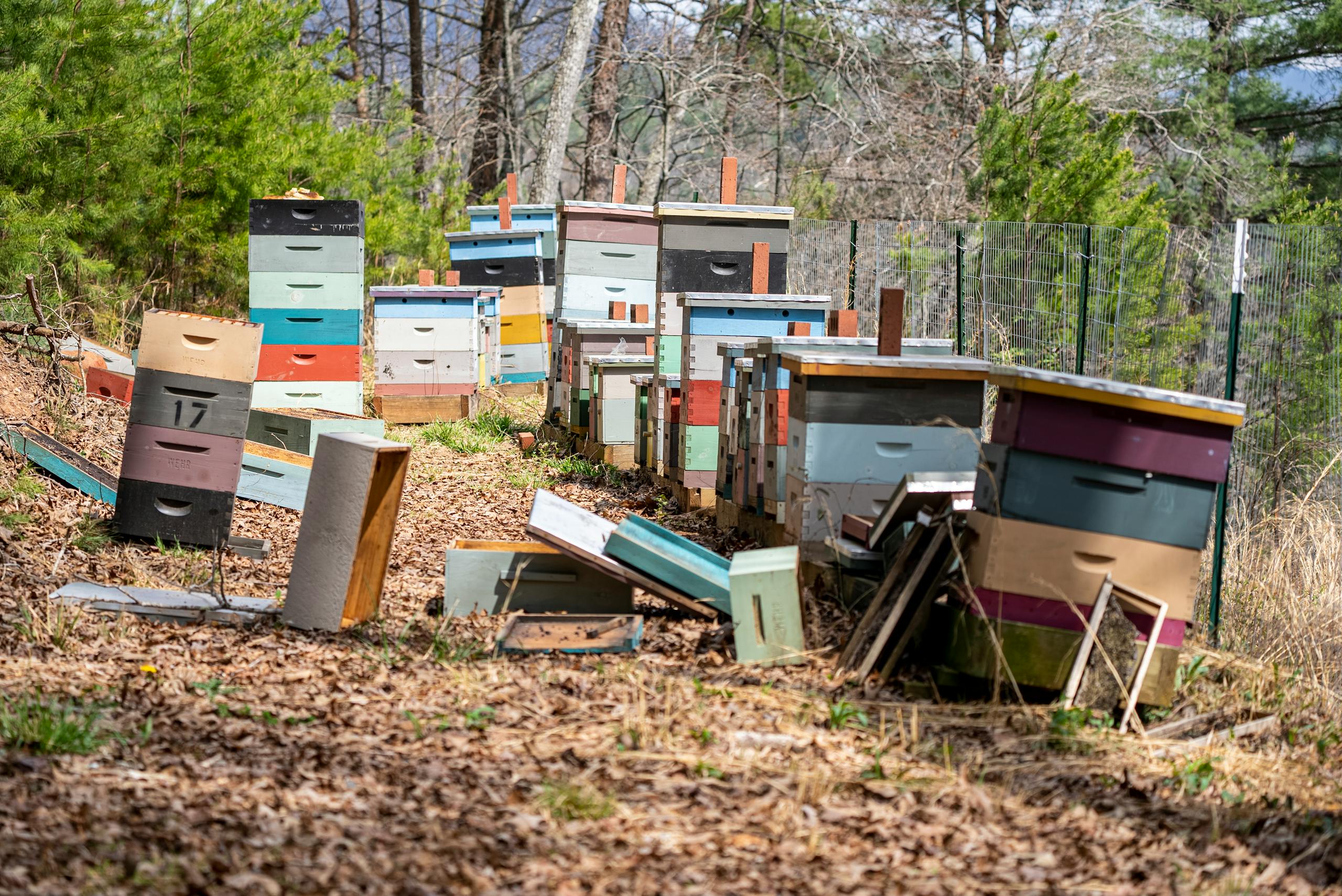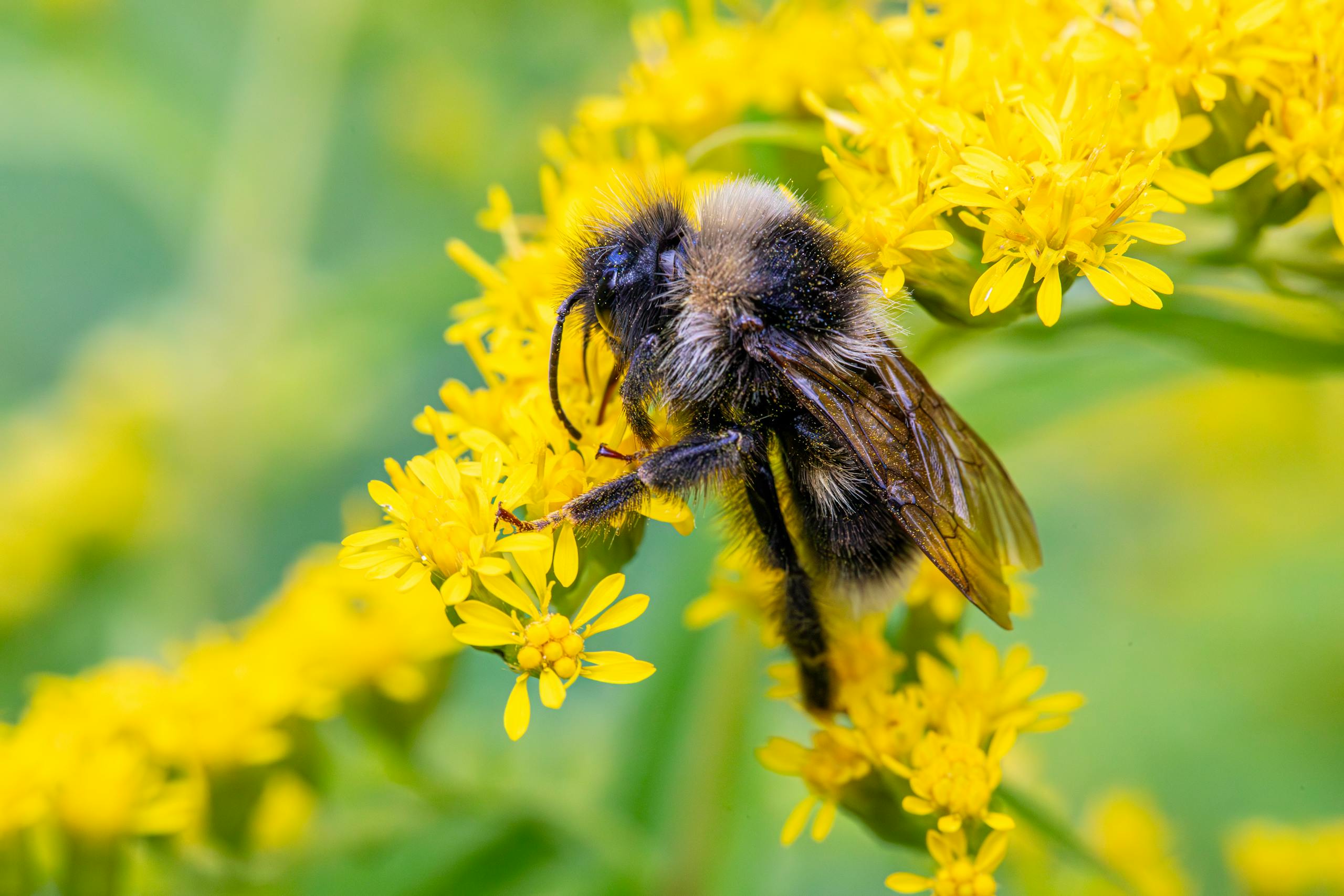

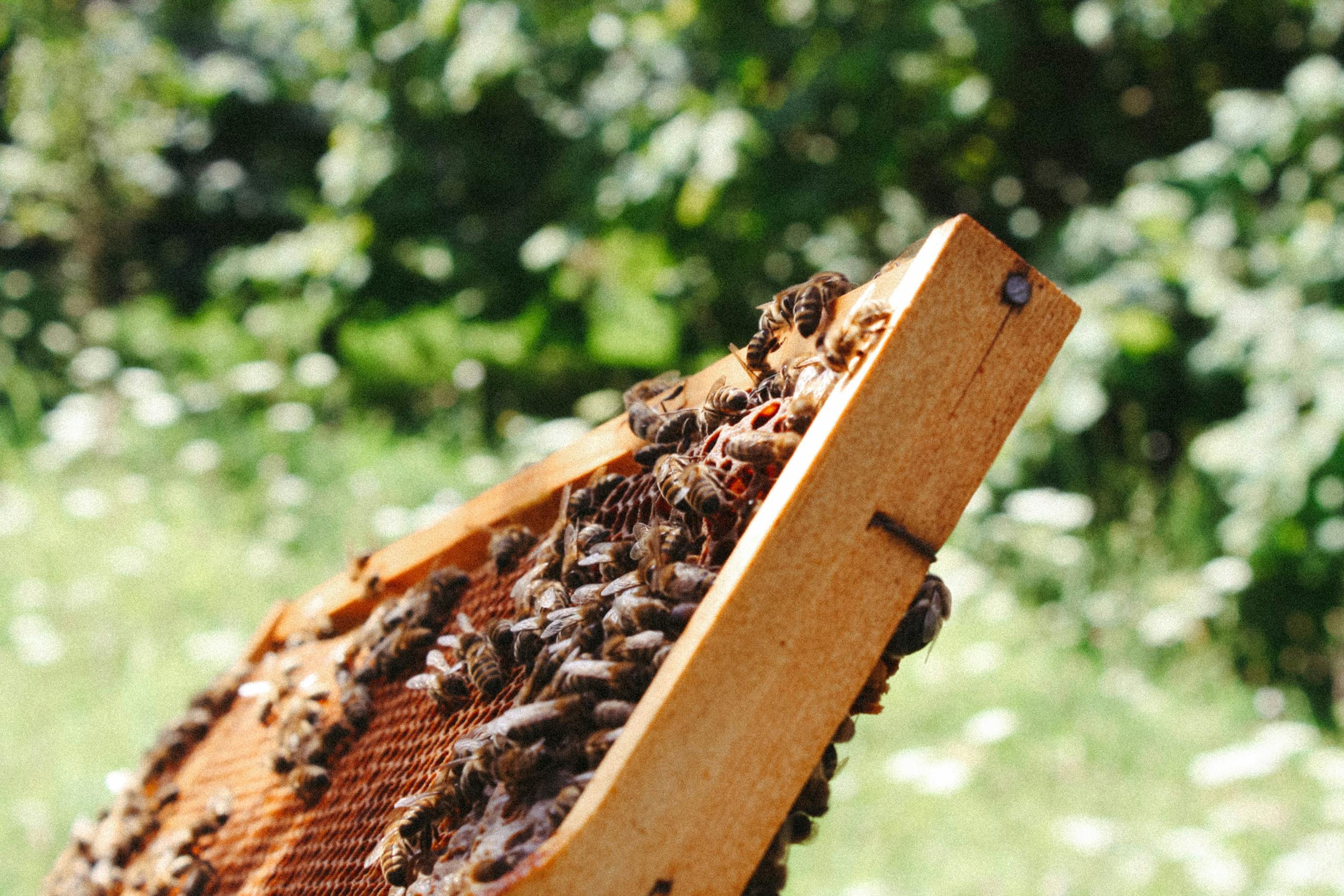
The best food for bees when nectar is scarce is a homemade sugar syrup made with plain white sugar and clean water. For spring feeding, use a 1:1 ratio (equal parts sugar and water). For fall feeding or building winter stores, use a 2:1 ratio (two parts sugar to one part water). Never use brown sugar, honey from unknown sources, or artificial sweeteners.
When natural pollen is also missing, add protein supplements like pollen patties or chickpea flour. Always provide clean water nearby. This combination keeps your bees strong, prevents starvation, and supports healthy brood production until flowers bloom again.
Why Bees Need Extra Food
Bees are hardworking insects. Every day, worker bees fly out of the hive to collect nectar and pollen from flowers. Nectar gives them energy. Pollen provides protein for raising baby bees, which are called brood.
But sometimes, flowers are hard to find. This can happen during a drought, in the middle of summer when spring flowers have died, or during the cold months of late fall and winter. Beekeepers call these times a nectar dearth. During a dearth, bees may not find enough food to survive.
Without enough food, a bee colony can quickly weaken. The queen may stop laying eggs. Worker bees may die from hunger. In some cases, the whole colony may starve and collapse. Research shows that colonies can even die from starvation in late spring or summer, even when there is honey stored elsewhere in the hive.
This is why beekeepers must step in and feed their bees when natural food is scarce. Providing the right food at the right time can save a colony and keep it healthy until flowers bloom again.
The Best Food for Bees: What Science and Experts Say
The Natural Diet Comes First
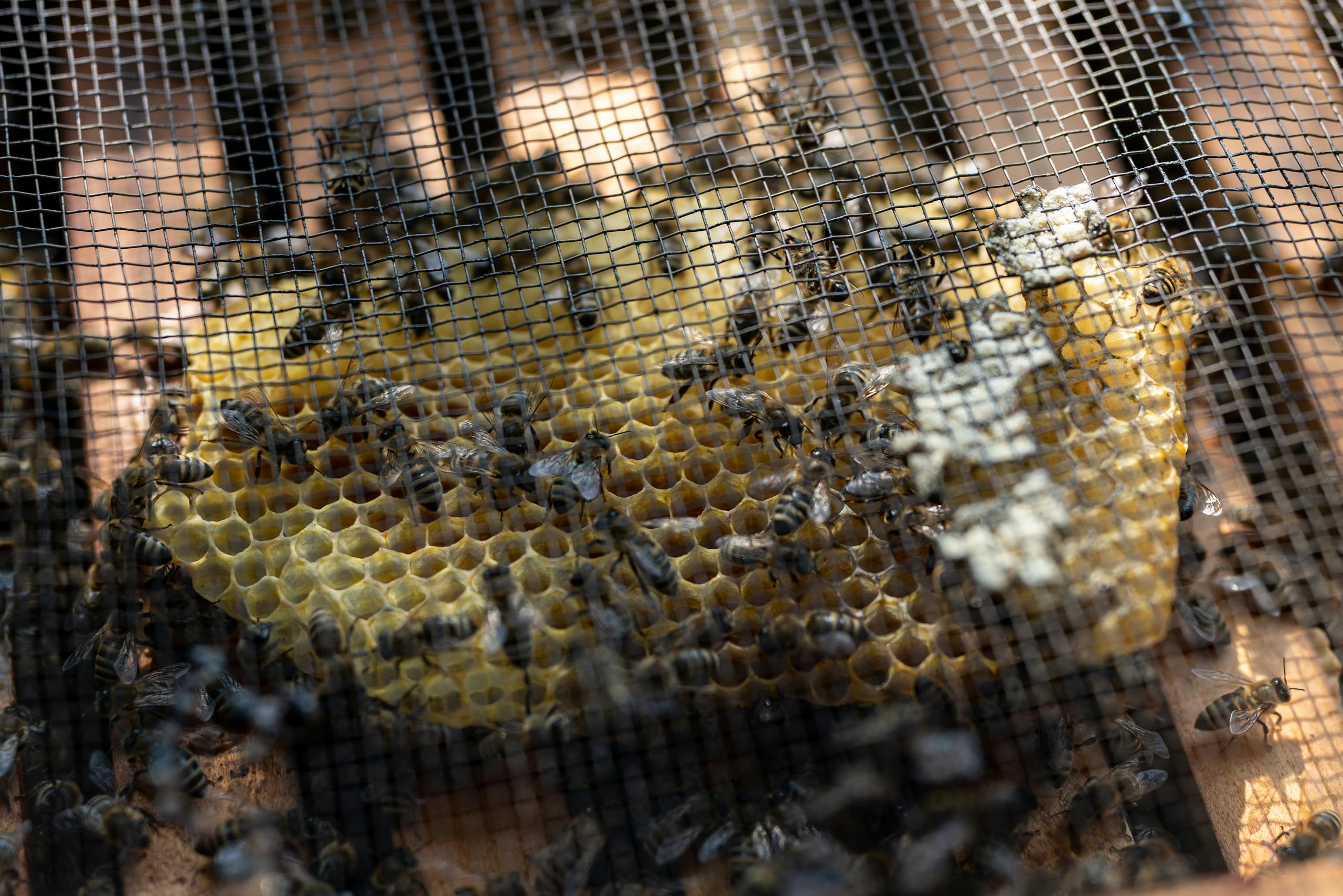
The absolute best food for honey bees is their own honey and pollen. This natural diet contains everything bees need: sugars for energy, proteins for growth, plus vitamins, minerals, and enzymes. When you harvest honey from your hive, always leave enough behind so the bees can feed themselves.
But sometimes, even well‑stocked hives run into trouble. Seasonal famines happen when the immediate environment offers no fresh nectar, even if the hive is full of capped honey. That is when you need to provide extra food.
Sugar Syrup: The Most Common and Effective Food
Sugar syrup is the go‑to food for beekeepers around the world. It mimics the sweet nectar bees collect from flowers. The syrup is easy to make, safe for bees, and affordable.
Important Rule: Use Only Plain White Granulated Sugar
Never use brown sugar, raw sugar, molasses, or artificial sweeteners. These products contain solids and impurities that bees cannot digest and that can harm them. Plain white table sugar is the only safe choice.
Two Sugar Syrup Recipes: 1:1 and 2:1
The ratio of sugar to water depends on the season and what you want to achieve.
1:1 Syrup (Equal Parts Sugar and Water)
- Best for spring feeding and times when you want the queen to lay more eggs.
- This light syrup feels like a fresh nectar flow and encourages the colony to raise brood.
How to make 1:1 syrup:
- Measure 1 kilogram of white sugar and 1 liter of clean water.
- Heat the water until it is just warm (do not boil).
- Add the sugar and stir until it completely dissolves.
- Let the syrup cool to room temperature before feeding.
2:1 Syrup (Two Parts Sugar to One Part Water)
- Best for fall feeding and preparing bees for winter.
- This thick syrup is stored by bees as their winter food reserve.
How to make 2:1 syrup:
- Measure 2 kilograms of white sugar and 1 liter of water.
- Heat the water and stir in the sugar until fully dissolved.
- Cool completely before feeding.
A Note on Temperature: Bees will take liquid syrup when the weather is above 50°F (10°C). When temperatures drop below that, they cannot process the water in liquid syrup. In cold weather, use solid sugar (dry sugar, fondant, or candy boards) instead.
What About Protein? Pollen Substitutes for Bee Health
Nectar is not the only food bees need. Pollen provides protein, fats, vitamins, and minerals. Without pollen, nurse bees cannot produce the royal jelly that feeds young larvae. A colony without pollen will stop raising brood and weaken quickly.
During a dearth, natural pollen may also be missing. In these cases, you must provide a pollen substitute.
Scientific Research on Pollen Substitutes
A 2023 study published in a scientific journal tested four common flours as pollen substitutes: chickpea, maize (corn), sorghum, and wheat flour. The results showed that chickpea flour was the best substitute. Bees visited chickpea flour almost as often as they visited real bee pollen. The study also found that placing the food close to the hive (10 meters away) worked best.
How to Make Pollen Patties at Home
You can make simple pollen patties using chickpea flour or a commercial pollen substitute.
Ingredients for homemade patties:
- 1 cup pollen substitute powder (chickpea flour or BeePro)
- ½ cup 1:1 sugar syrup
- Optional: a few drops of anise extract or a commercial feeding stimulant
Steps:
- Mix the dry powder with sugar syrup until you get a dough‑like texture.
- Flatten the dough into a patty about the size of your hand.
- Place the patty between two sheets of wax paper.
- Score one side with a knife so bees can access the food.
- Place the patty directly on top of the brood frames, scored side down.
Commercial pollen patties are also available from beekeeping suppliers. These products are formulated with the right balance of protein and nutrients.
Emergency Foods: What to Use in a Pinch
If you run out of white sugar, you may wonder if other sweet foods are safe. Bees will sometimes eat over‑ripe fruit, sweet plant juices, or honeydew from insects. However, these are not reliable or safe long‑term options.
Foods You Should NEVER Feed Bees
- Honey from unknown sources: Store‑bought honey or honey from another beekeeper can carry spores of American Foulbrood, a deadly bacterial disease that destroys colonies.
- Brown sugar, molasses, maple syrup: These contain indigestible solids that can cause digestive problems and death.
- Corn syrup and artificial sweeteners: These lack the nutrients bees need and may contain harmful additives.
Water: The Forgotten Essential Food
Water is just as important as sugar syrup and pollen. Bees use water to cool the hive, dilute honey, and feed larvae. During a drought or dry season, water sources may disappear.
In Nigeria and other parts of Africa, the dry season can be particularly harsh. Many beekeepers report that lack of water causes colony stress, migration, or death. The Food and Agriculture Organization (FAO) advises beekeepers in Africa to provide water during the dry season to prevent bees from disturbing neighbors in their search for water.
How to Provide Water for Bees
- Place a shallow dish filled with water near the hive.
- Add small rocks, marbles, or floating corks so bees can land and drink without drowning.
- Refill the water daily in hot weather.
A clean, reliable water source close to the apiary is essential, especially during hot or dry weather.
When to Feed Your Bees
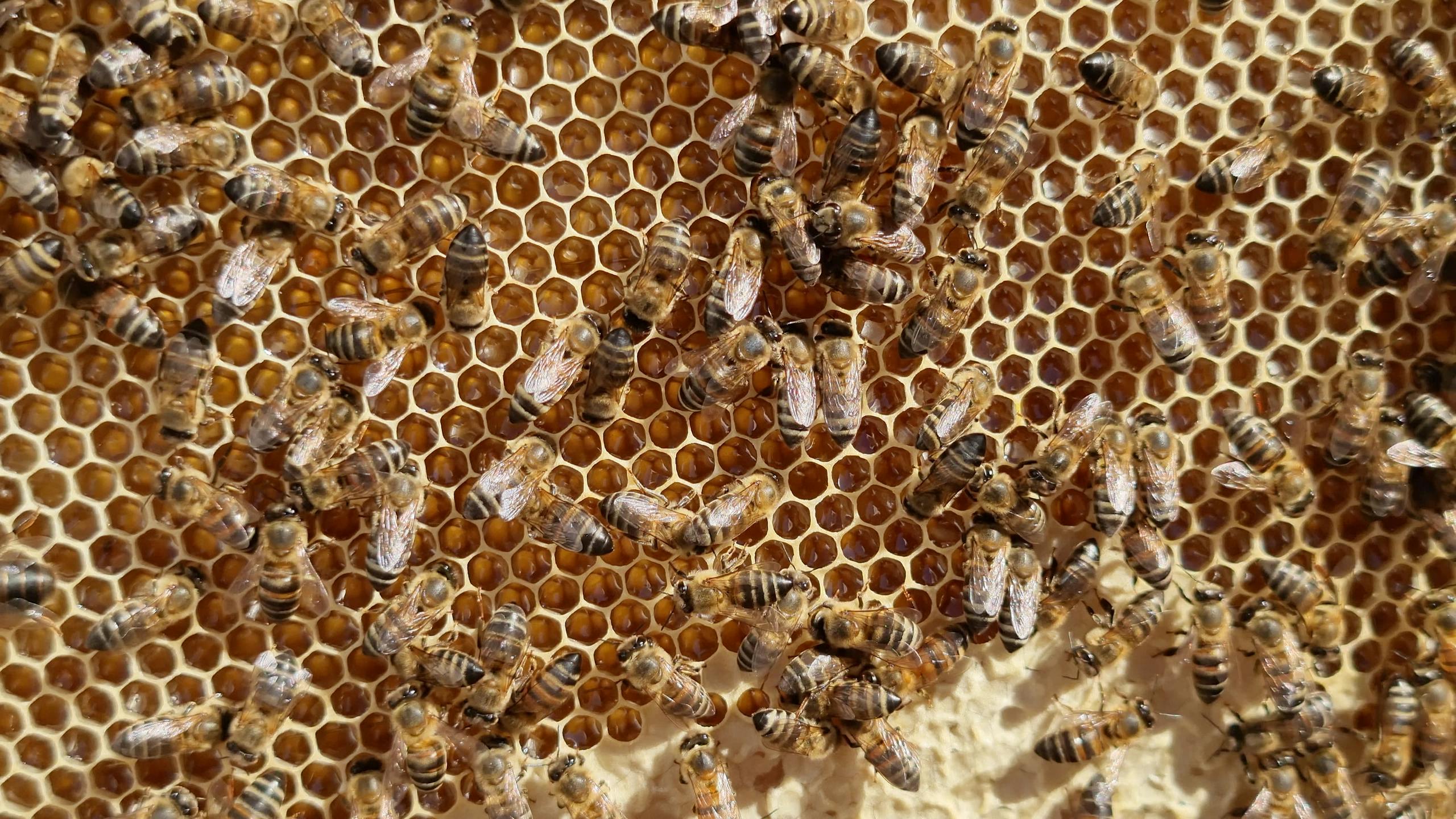
Knowing when to feed is just as important as knowing what to feed. Feeding bees when flowers are blooming can actually harm the colony. Bees may choose the easy syrup over natural, nutritious nectar.
Signs Your Bees Need Food
Check the Hive Weight Lift the back of the hive gently. A light hive means the bees have eaten most of their stored honey and need supplemental feeding.
Look Inside the Brood Nest Open the hive and inspect the frames around the brood area. There should be a ring of honey and pollen (called a pollen‑honey crown) surrounding the brood. If this ring is missing or thin, your bees need food soon.
Watch for Dry Larvae Well‑fed larvae sit in a small pool of milky white brood food. Dry larvae with no visible food signal starvation and require immediate feeding.
Seasonal Feeding Guidelines
Early Spring (Before Flowers Bloom) Winter stores are low, and flowers are not yet blooming. Feed 1:1 syrup to stimulate the queen to start laying eggs. Also provide pollen patties to support brood rearing.
Summer (During a Nectar Dearth) Between spring and summer blooms, there is often a gap called the summer dearth. Feed 1:1 syrup only if the hive is light and bees are showing signs of stress. Stop feeding as soon as natural nectar becomes available.
Late Fall (Preparing for Winter) After the last honey harvest, bees need to build up stores for winter. Feed 2:1 syrup to help them fill the combs with winter food. Continue feeding until the bees stop taking syrup or cold weather sets in.
Winter (Cold Weather) Do not feed liquid syrup when temperatures are below 50°F (10°C). Use solid sugar, fondant, or candy boards placed directly on top of the frames.
How to Feed Bees Safely
The method you use to feed bees matters. Open feeding (placing syrup in a bowl in the open) can cause robbing, where bees from other hives attack your colony to steal food. Robbing spreads disease and can destroy a weak hive.
Best Feeding Methods
Internal Feeders (Recommended)
- Frame Feeder: A plastic container that replaces one frame inside the brood box. Bees access the syrup from inside the hive, which reduces robbing.
- Top Feeder: A tray placed on top of the hive under the outer cover. Bees climb up and drink syrup through a screened area.
- Inverted Jar Feeder: A glass jar filled with syrup and inverted over the inner cover hole. Small holes in the lid allow bees to drink.
External Feeders (Use with Caution)
- Entrance Feeder: A small tray inserted into the hive entrance. This is easy to use but can encourage robbing if other hives are nearby. Use only on strong colonies.
Always feed in the evening to reduce robbing activity. Clean up any spilled syrup immediately. Never leave open containers of syrup in the apiary.
Special Considerations for Nigerian and African Beekeepers
Beekeeping in Nigeria and other parts of Africa presents unique challenges. The dry season (Harmattan) can last several months, during which natural forage becomes extremely scarce. Many beekeepers in Africa supplement their bees with sugar syrup or molasses during the dry season to prevent colony loss.
The FAO publication Beekeeping in Africa provides detailed guidance on feeding bees during both rainy and dry seasons. The document emphasizes that regular monitoring and early intervention are key to colony survival in harsh climates.
Tips for African Beekeepers:
- Start feeding at the very beginning of the dry season, not after bees are already weak.
- Provide a constant water source close to the hive to prevent bees from traveling long distances in search of water.
- Use locally available materials for feeders when commercial equipment is not accessible.
- Join local beekeeping associations to learn about the specific dearth periods in your region.
Common Mistakes to Avoid When Feeding Bees
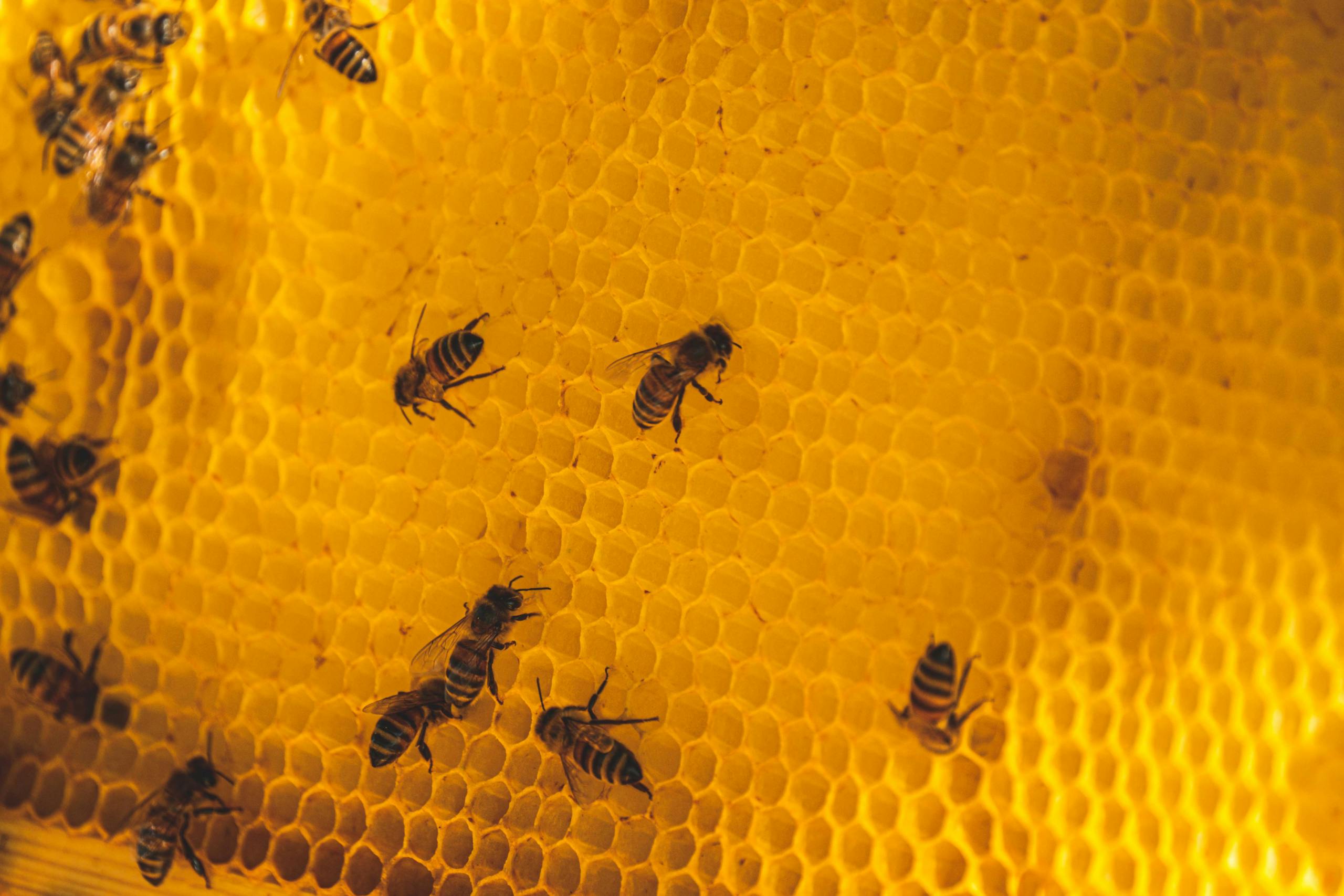
Even experienced beekeepers can make mistakes when feeding bees. Here are the most common errors and how to avoid them.
Mistake 1: Feeding Honey from Another Hive As mentioned earlier, this can spread American Foulbrood spores. Only feed honey that came from the same hive and that you know is disease‑free.
Mistake 2: Using the Wrong Sugar Brown sugar, raw sugar, and organic sugar contain solids that bees cannot digest. Stick to plain white granulated sugar only.
Mistake 3: Feeding Too Much or Too Little Overfeeding can fill the brood nest with syrup, leaving no room for the queen to lay eggs. Underfeeding fails to keep the colony alive. Monitor hive weight weekly and adjust feeding accordingly.
Mistake 4: Feeding When Flowers Are Blooming If you feed syrup during a natural nectar flow, bees may ignore the flowers and rely on the easy syrup. This reduces pollination and may weaken the colony. Stop feeding as soon as you see bees bringing in natural pollen and nectar.
Mistake 5: Neglecting Water During drought, bees need water as much as they need food. Without water, they cannot process the sugar syrup you provide. Always maintain a clean water source near the apiary.
Long‑Term Solutions: Plant More Flowers
Feeding bees with sugar syrup and pollen patties is a short‑term solution. The best long‑term strategy is to ensure your bees have plenty of natural forage throughout the year.
Plant a variety of flowers that bloom at different times. In Nigeria, good bee plants include mango trees, citrus trees, sunflower, moringa, and native flowering shrubs. Research from Washington State University confirms that planting diverse flowering plants reduces the need for supplemental feeding.
If you are a beginner beekeeper, check out our guide on Best Location to Place a Beehive for Beginners to ensure your bees have the best possible start.
Final Thoughts
Feeding bees when nectar is scarce is one of the most important skills a beekeeper can learn. The right food, given at the right time and in the right way, can save a colony from starvation and keep it strong for the next honey flow.
Remember these key points:
- Use 1:1 sugar syrup in spring to stimulate brood rearing.
- Use 2:1 sugar syrup in fall to build winter stores.
- Provide pollen patties when natural pollen is missing.
- Never use honey from unknown sources or brown sugar.
- Always provide clean water near the hive.
By following these guidelines, you will protect your bees and ensure a healthy, productive apiary.
Written by Peter Uzodimma, Founder and Lead Agricultural Consultant at Zendric. With over a decade of hands‑on experience in the Nigerian agricultural sector, Peter helps beekeepers across Africa build successful, sustainable operations. For more beekeeping guides and resources, visit Zendric.com.ng.