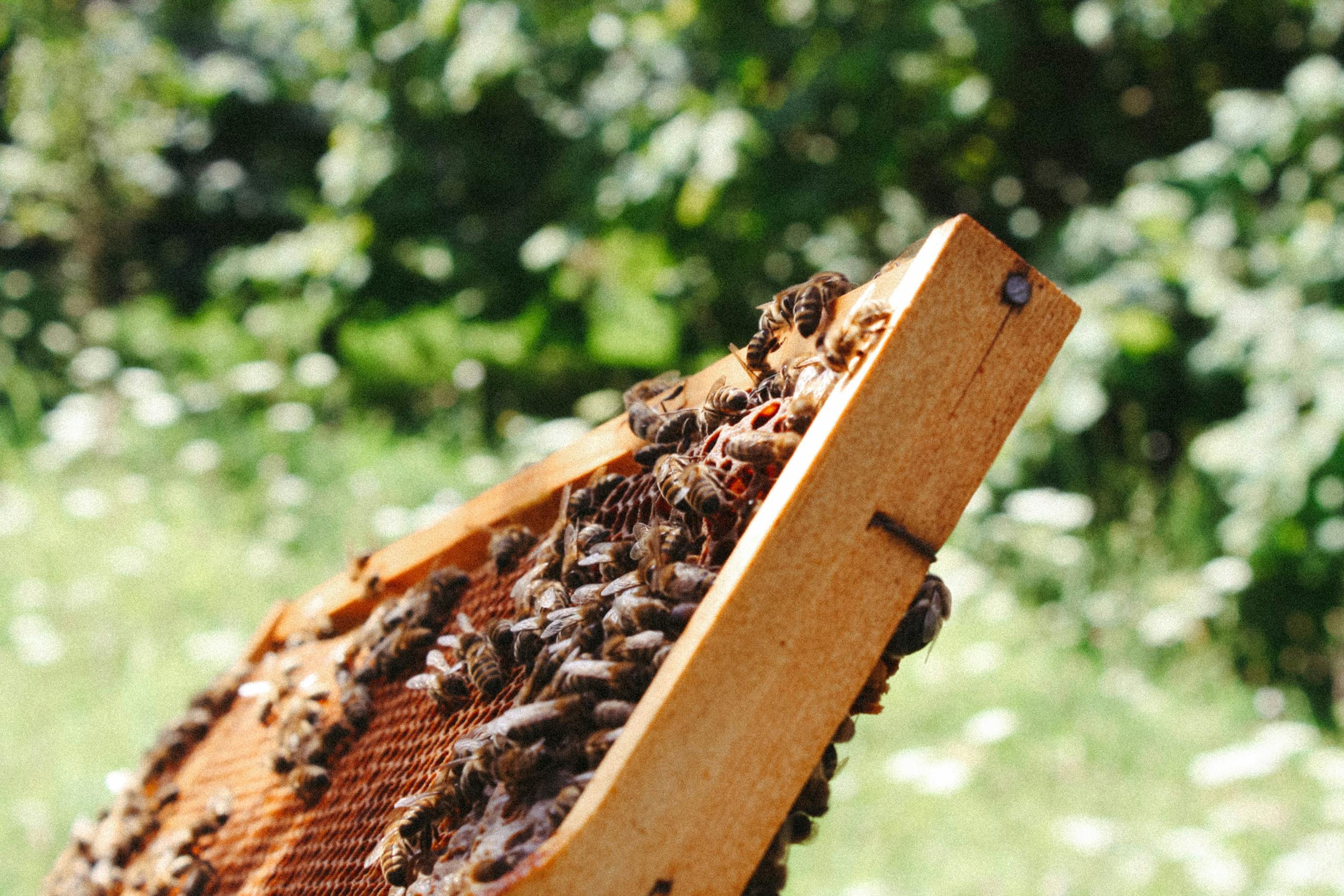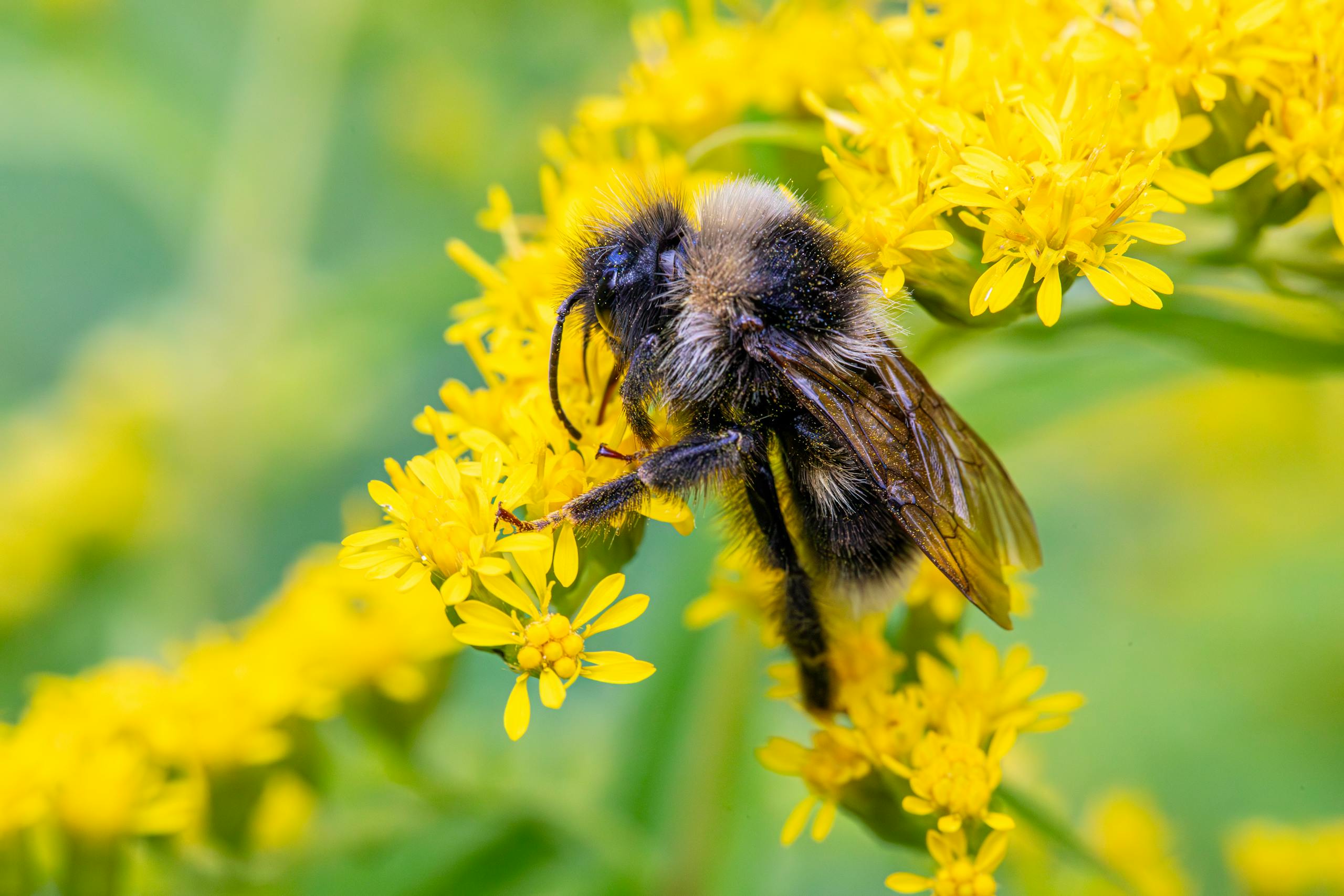

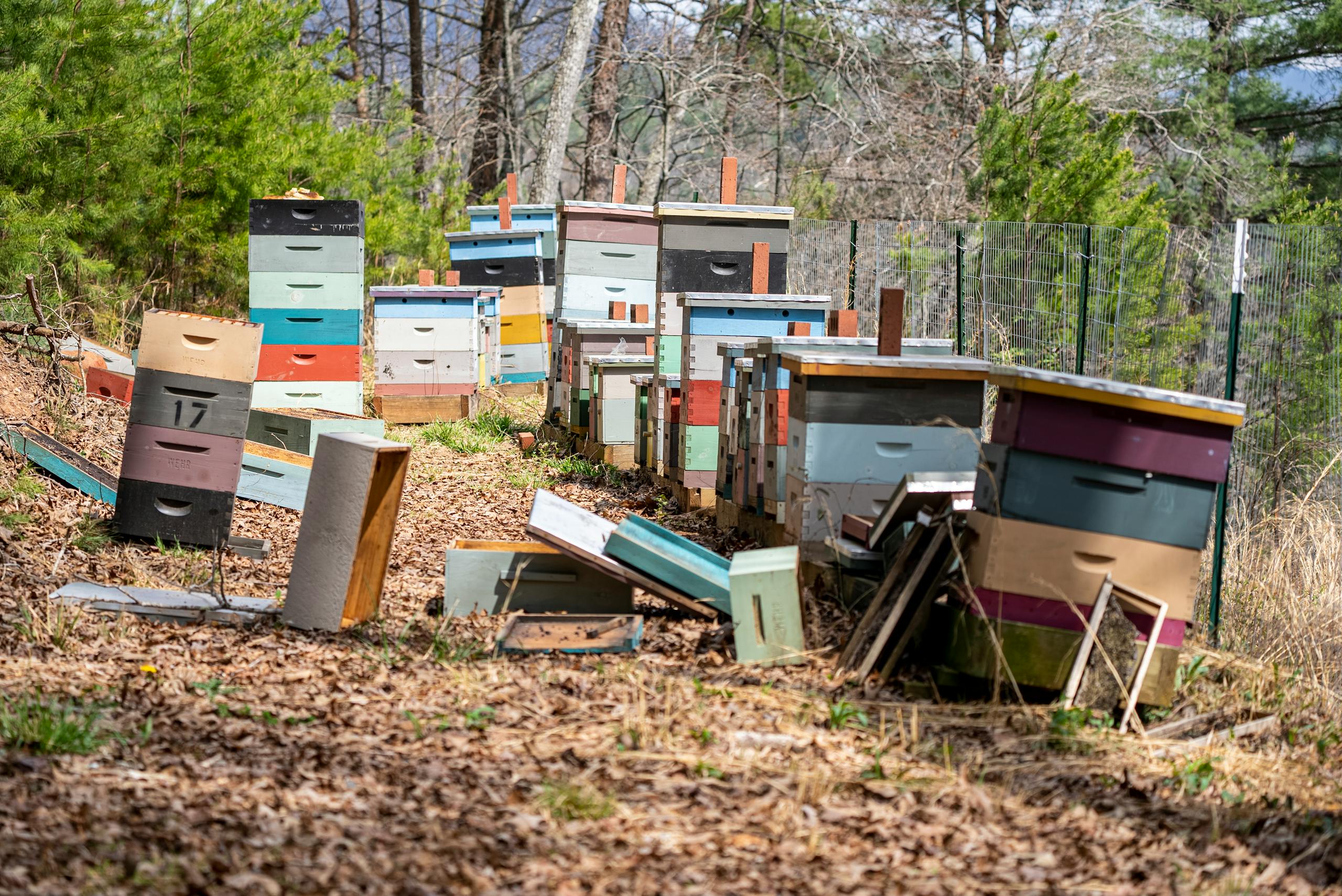
Quick Answer: The best location to place a beehive is a spot that gets morning sunlight, has some afternoon shade, is sheltered from strong wind, is close to a clean water source, and is away from busy footpaths. These five things together create a calm, safe, and productive home for your bees.
Where you place your beehive matters more than most beginners think.
You can buy the best hive, source the strongest colony, and follow every piece of advice online. But if you put that hive in the wrong spot, your bees will struggle. They may produce less honey, behave aggressively, or even leave the hive entirely.
I have worked with beekeepers across Nigeria, the United Kingdom, Canada, and the United States. In every country, one thing stays the same: the location of the hive decides how easy or hard your beekeeping journey will be.
This guide will walk you through every factor you need to think about before you place your first hive. Whether you are farming in Ibadan, keeping bees in your backyard in Texas, or starting out in rural England, these principles apply to you.
Why Hive Placement Matters So Much
Bees are not just insects you put in a box and forget. They are living creatures with very specific needs.
When a beehive is placed in the right location, your bees fly out, collect nectar and pollen, return quickly, and stay calm. The colony grows strong and healthy.
When a hive is in the wrong location, bees get stressed. Stress makes them aggressive. Stressed bees also get sick more easily. They may swarm and leave. They may produce little or no honey.
Getting the location right costs you nothing extra. But getting it wrong can cost you the entire colony.
According to the University of Florida IFAS Extension, proper hive placement reduces colony stress and increases honey production significantly in backyard beekeeping setups. This finding holds true across tropical and temperate climates alike.
Factor 1: Morning Sunlight Is Essential
The single most important thing your hive needs is morning sunlight.
When the sun hits the hive entrance early in the morning, the bees warm up faster. Warm bees leave the hive earlier to forage. Earlier foraging means more trips, more nectar collected, and more honey in the end.
Morning sun also helps dry out moisture inside the hive. Too much moisture causes mold and disease. A hive that gets direct morning sunlight naturally stays drier and healthier.
What to do:
Face your hive entrance toward the east or southeast. This catches the first light of the day. In Nigeria and other tropical countries, the early morning sun is softer and gentler. In the UK or Canada where winters are cold, morning sun also helps bees stay warm enough to start their day.
Avoid placing the hive facing north. A north-facing entrance misses most of the direct sunlight throughout the day.
Factor 2: Afternoon Shade Helps More Than You Think
Morning sun is good. But too much afternoon sun is a problem.
In hot countries like Nigeria, Ghana, and other parts of West Africa, the afternoon sun can be very intense. Temperatures can rise above 35°C (95°F). If your hive sits in full afternoon sun, the inside of the box can overheat.
Overheated hives are a serious problem. Bees spend all their energy fanning to cool the hive instead of collecting honey. Wax combs can melt. In extreme cases, the colony will abscond, meaning they leave entirely to find a cooler home.
What to do:
Place your hive where it gets full sun from morning until around noon. After that, it should be in partial or full shade. A large tree to the west of your hive works perfectly for this.
In cooler countries like the UK, Canada, or the northern United States, you may not need as much afternoon shade. But shade from strong midday sun is still useful in summer months.
If natural shade is not available, you can build a simple shade structure above the hive using wood and palm fronds or zinc roofing. Many Nigerian beekeepers use this method with great results.
Factor 3: Wind Protection Keeps Your Colony Calm
Wind is something many beginners do not think about. But it matters a lot.
Strong wind hitting the hive entrance makes it harder for bees to fly in and out. The bees have to fight the wind every time they return home heavy with nectar. This wastes their energy.
In cold countries, wind also drops the temperature inside the hive. A cold hive uses more honey just to stay warm. This leaves less honey for you to harvest.
What to do:
Place your hive with a solid barrier behind it. A wall, a fence, a dense hedge, or even large trees work well. The barrier should break the wind from the prevailing direction.
In most parts of Nigeria, the Harmattan wind blows from the northeast between November and March. Position your hive so that a fence or building blocks this wind.
In the UK, prevailing winds mostly come from the southwest. Place a hedge or wooden fence on the southwest side of your hive.
In the US, wind direction changes by region. Check the prevailing wind direction in your state and position your hive accordingly.
The barrier should be close enough to break the wind but not so close that it blocks the hive entrance or traps moisture.
Factor 4: Close to a Water Source
Bees need water every single day.
They use water to dilute honey, cool the hive, and raise young bees. A colony of bees can need up to one litre of water per day in hot weather.
If your hive is far from water, your bees will travel long distances searching for it. They may find a neighbor’s fish pond, a swimming pool, or a roadside puddle. This can cause problems with neighbors and waste the bees’ energy.
What to do:
Place your hive within 300 meters (about 1,000 feet) of a clean, fresh water source. If there is none nearby, provide one yourself.
A shallow tray, a bucket with floating corks, or a small pan with pebbles in it will work. The pebbles give the bees a place to land without drowning.
Change the water regularly. Bees are attracted to standing water, but dirty or stagnant water can spread disease.
In dry parts of northern Nigeria or drought-prone areas of the US, providing water near the hive is even more important.
The Honey Bee Health Coalition recommends that beekeepers always maintain a reliable water source within the foraging range of their hive, especially during dry seasons.
Factor 5: Keep Distance from People and Footpaths
Bees are gentle when left alone. But they become defensive when they feel threatened.
The hive entrance is the most sensitive point. Bees guard the entrance at all times. Anything moving quickly past the entrance, a person walking by, a child running, a dog sniffing around, can trigger a guard bee to sting.
When one guard bee stings, it releases an alarm chemical. Other guard bees pick up this smell and join the defense. What starts as one sting can quickly become many.
What to do:
Place your hive at least 5 to 10 meters (15 to 30 feet) away from walkways, roads, and areas where people or animals move regularly.
In Nigeria, where family compounds are often shared and children play freely, this distance is especially important. Place hives at the back of the property, behind buildings, or in a farm area away from the main living space.
In suburban UK or the United States, local laws may require hives to be a minimum distance from property boundaries. In many US states, this is between 25 and 50 feet. Check your local laws before placing your first hive.
If your space is small, use a fence or trellis at least 2 meters (6 feet) tall directly in front of the hive entrance. This forces the bees to fly upward immediately. They then fly high over the heads of anyone passing by, which greatly reduces the risk of stings.
Also read: Common Beekeeping Mistakes Beginners Should Avoid — placing a hive too close to foot traffic is one of the most common errors new beekeepers make.
Factor 6: Accessibility for You as the Beekeeper
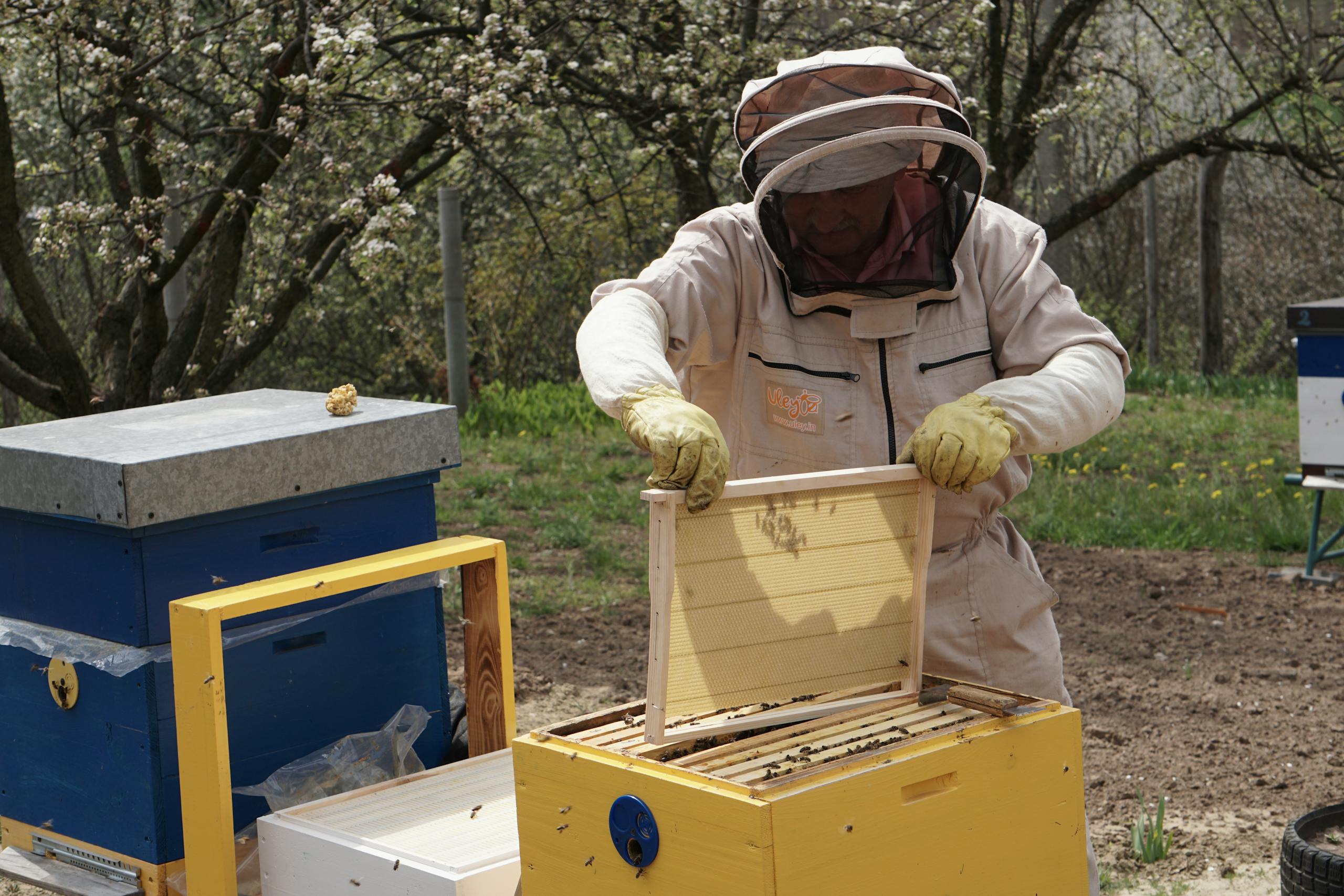
You will need to check your hive regularly. You will need to add or remove boxes, inspect frames, manage swarms, and harvest honey.
If your hive is hard to reach, you will avoid checking it. Avoiding hive inspections leads to missed problems. A sick queen, a pest infestation, or overcrowding can destroy a colony fast if left unchecked.
What to do:
Place your hive somewhere you can easily reach with your equipment. You should be able to walk up to the hive from the back or side without standing directly in front of the entrance.
You will also need space to stand on both sides of the hive when doing inspections. Leave at least one meter of clear space on each side.
If you plan to add more hives later, space them about one meter apart. This makes it easy to work on one hive without disturbing the others.
Read our full guide on how often you should check your beehive to understand why easy access is so important.
Factor 7: Flowers and Forage Nearby
Bees fly up to 5 kilometers (3 miles) from their hive to find food. But the closer the flowers are, the better.
Short foraging trips mean the bees use less energy. They arrive home faster and can make more trips per day. More trips mean more nectar and more honey.
What to do:
Before placing your hive, look around the area. What plants and trees are within 1 to 2 kilometers? Are there crops, fruit trees, wildflowers, or flowering shrubs?
In Nigeria, excellent forage plants include mango trees, cashew, rubber trees, citrus, and many wildflowers. If you are near farmland, your bees will benefit from seasonal crops that flower.
In the UK, bees thrive near lavender, borage, clover, fruit orchards, and heather. In North America, wildflower meadows, clover fields, and fruit orchards provide excellent forage.
If forage is limited near your property, you can plant bee-friendly flowers around your compound or farm. Sunflowers, basil, moringa, and wild clover are easy to grow and very attractive to bees.
The Pollinator Partnership provides region-specific guides on the best plants to grow near beehives to maximize foraging.
Factor 8: Solid, Level Ground
This is a simple one that many beginners overlook.
A hive that is not level will have uneven comb inside. Bees build comb based on gravity. If the hive tilts, the comb tilts. Crooked comb is harder to manage, harder to inspect, and harder to harvest.
A slight forward tilt is actually helpful. Tilting the hive very slightly toward the entrance allows any water that gets inside to drain out. Just a few degrees is enough.
What to do:
Place your hive on a solid, flat surface. Use wooden blocks, bricks, or a purpose-built hive stand. Keep the stand at least 30 to 45 centimeters (12 to 18 inches) off the ground.
Raising the hive off the ground does several things. It keeps ants and other ground insects from crawling into the hive easily. It also allows air to circulate beneath the hive, which reduces moisture and keeps the floor dry.
For more on protecting your hive from ground-level pests, read: How to Protect Beehives from Pests and Ants.
Factor 9: Avoid Low-Lying, Damp Ground
Bees do not do well in damp, humid conditions.
Low-lying areas collect moisture, especially after rain. If your hive sits in a wet or swampy area, the inside of the hive will stay damp. Damp hives are breeding grounds for fungal disease and small hive beetles.
In Nigeria, the rainy season brings heavy rainfall. During this time, any hive sitting in a low spot will be surrounded by water. This stresses the colony and attracts pests.
What to do:
Always place your hive on elevated, well-drained ground. Avoid areas near drainage ditches, stream banks, or low points in your yard where water collects after rain.
If your land is generally flat and wet, raise your hive stand even higher and create a small raised platform using compacted gravel or laterite soil beneath the stand.
Factor 10: Avoid Busy Roads and Chemical Sources
Bees pick up chemicals from flowers. If the flowers near your hive have been sprayed with pesticides, your bees will bring those chemicals back to the hive.
Pesticide exposure is one of the leading causes of colony collapse. It weakens adult bees, kills young bees, and poisons the queen.
What to do:
Avoid placing your hive near large commercial farms that use heavy pesticide spraying. If you are near a farm, speak with the farmer about when they spray so you can temporarily close the hive entrance on those days.
Also avoid placing hives near busy roads. Vehicle exhaust fumes disorient bees and can affect their navigation. Bees navigate using the sun and magnetic fields. High-traffic areas also increase the risk of bees stinging passing people or animals.
According to the British Beekeepers Association, pesticide drift from neighbouring farmland is one of the most common threats to backyard beehives in rural and peri-urban areas.
Hive Placement in Small Spaces: Urban and Suburban Beekeeping
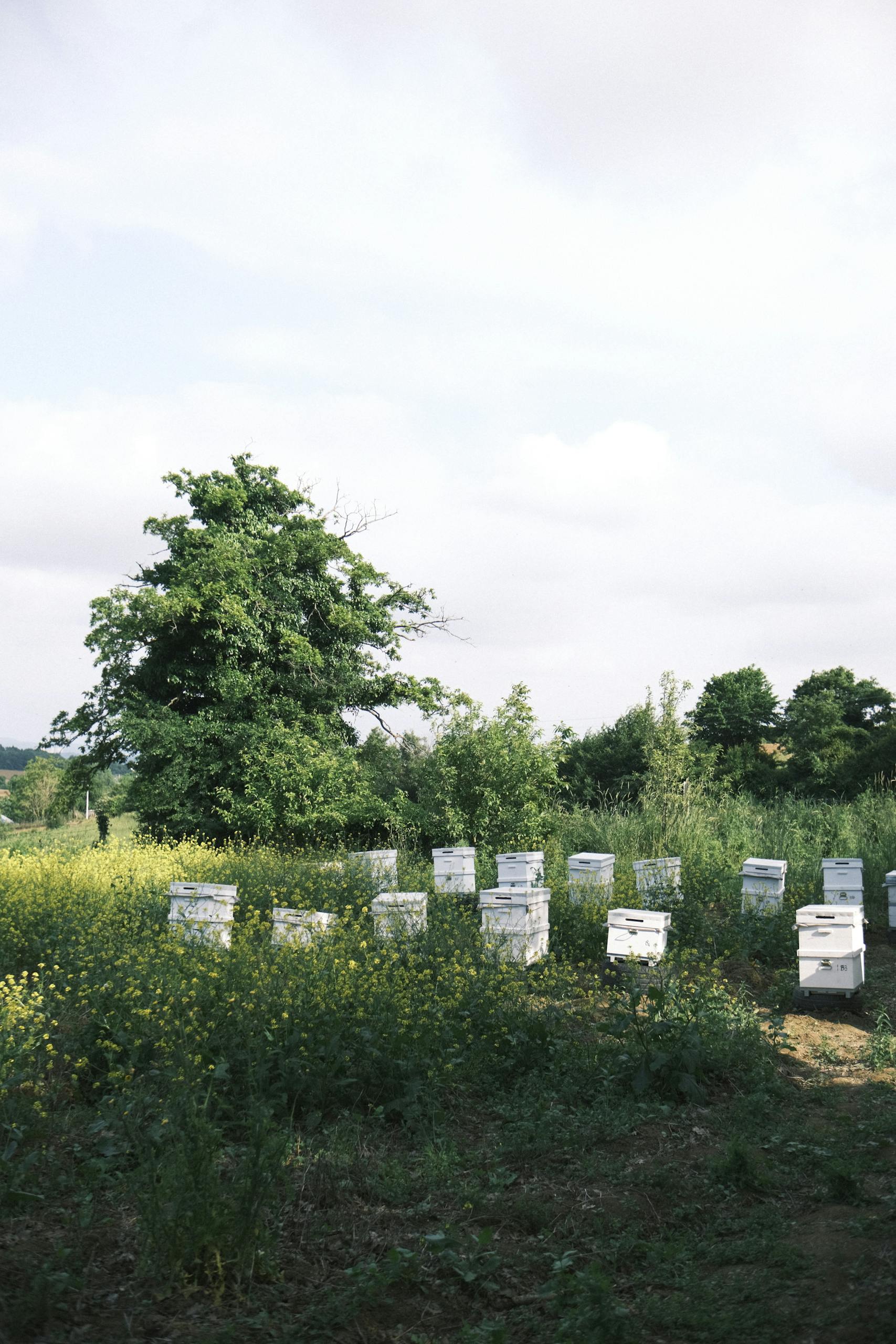
Many people think you need a farm or large land to keep bees. That is not true.
Thousands of people keep bees successfully in city apartments, small backyards, and urban rooftops across London, New York, Lagos, and Toronto.
If you have a small space, here is what you focus on:
Rooftop placement: Rooftops often have good sun, good airflow, and bees fly high enough that they rarely bother people below. Make sure the roof is strong enough to hold the hive weight.
Backyard corners: Place the hive in a quiet corner of your backyard, entrance facing away from the main yard. Use a tall fence or dense hedge in front of the entrance to push bees up and over.
Community gardens: Many urban beekeepers partner with community gardens. The bees benefit from nearby flowers and the garden benefits from pollination.
Balcony beekeeping: In some cities, people keep small hives on balconies. This works if the balcony is high enough, the entrance faces outward, and local laws allow it.
If you are just starting out and need help setting up your first hive, read our full beginner guide: How to Start Beekeeping for Beginners at Home.
Climate-Specific Tips for Nigerian Beekeepers
Nigeria has a tropical climate with two main seasons: the dry season and the rainy season. Both affect where and how you place your hive.
During the dry season (November to March):
- The Harmattan brings dry, dusty winds from the Sahara. Block this wind with a solid barrier behind the hive.
- Water sources dry up. Always provide a water dish near the hive.
- Forage becomes scarce. Make sure your hive is close to irrigated farms, citrus orchards, or gardens that continue to bloom.
During the rainy season (April to October):
- Humidity is high. Raise your hive stand higher for better airflow.
- Ants and termites are more active. Use oil or grease traps on the stand legs.
- Heavy rain can flood low areas. Move hives to higher ground before the rains begin.
Nigerian bees, particularly the African honey bee (Apis mellifera jemenitica and related subspecies), are adapted to the tropical climate. They are more active in the early morning and tend to be more defensive than European honey bees. This makes proper hive placement even more important to avoid conflicts with people and animals.
A Simple Hive Placement Checklist
Before you set down your first hive, go through this list:
- Morning sunlight on the entrance: Yes or No?
- Afternoon shade available: Yes or No?
- Wind barrier behind the hive: Yes or No?
- Water source within 300 meters: Yes or No?
- At least 5 meters from footpaths: Yes or No?
- Hive easy to access for inspection: Yes or No?
- Flowers and forage within 2 kilometers: Yes or No?
- Hive raised off the ground: Yes or No?
- Ground is dry and well-drained: Yes or No?
- Away from pesticide-heavy areas: Yes or No?
If you answered Yes to at least 8 of these 10, your location is a good one. If you answered No to more than 3, consider a different spot.
What Happens When You Choose the Wrong Location
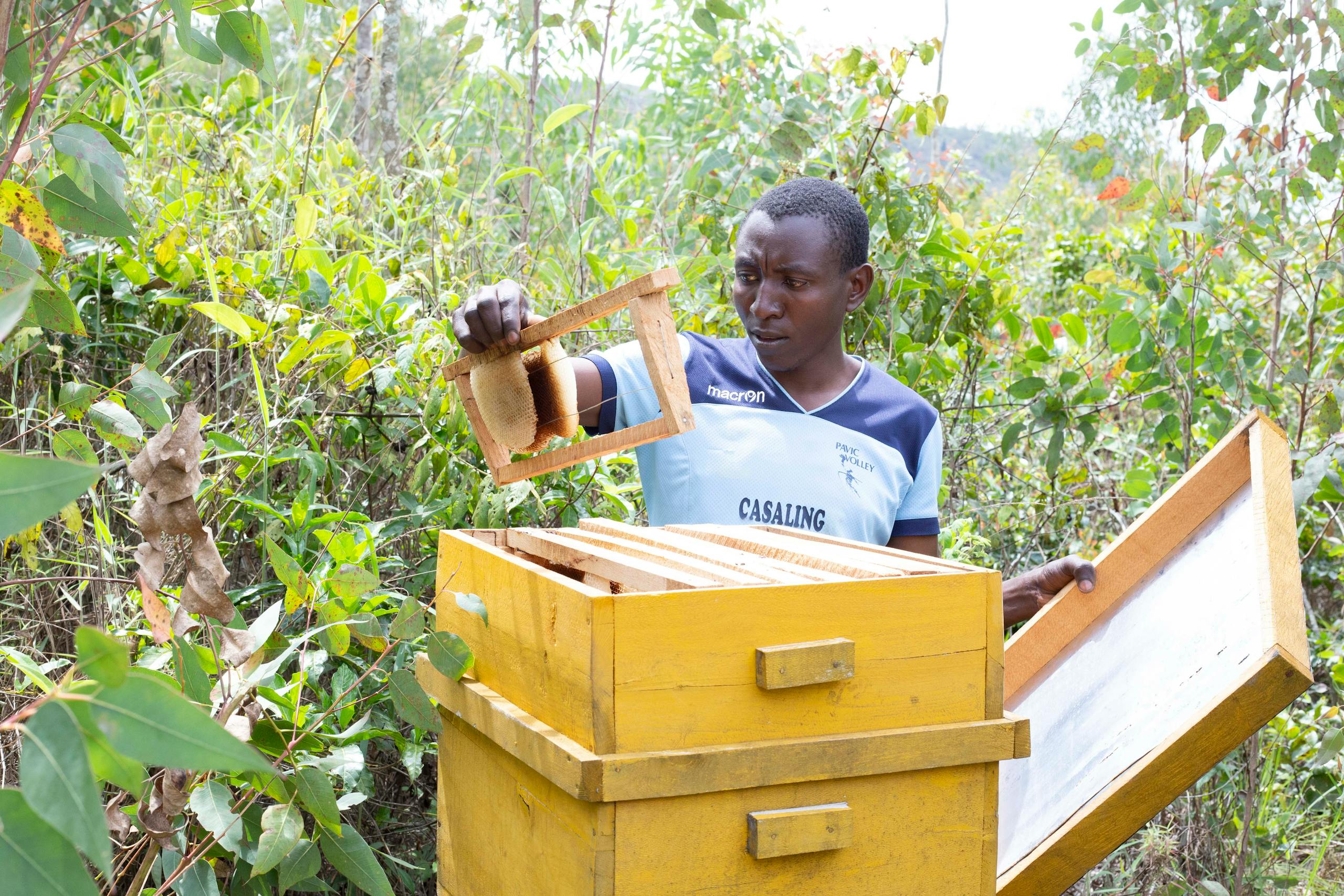
It is worth spending a moment on what goes wrong when placement is poor, so you understand why these factors matter.
Too much shade: The colony takes longer to warm up each morning. Bees leave later. They collect less nectar. The hive stays damp. Mold and disease follow.
Too much sun: The bees overheat. They use energy fanning instead of foraging. Wax melts. Bees may abscond.
Too close to people: Someone gets stung. You get pressure from neighbors to remove the hive. In the worst case, you lose your colony to an angry mob. This happens more than you think in dense urban areas of Nigeria.
No water nearby: Bees find a neighbor’s pool or pond. Complaints follow. Bees also return weak and dehydrated on hot days.
Damp, low ground: Fungal disease spreads through the hive. Small hive beetles multiply fast in moist conditions. Your colony weakens quickly.
Each of these problems is preventable. And they are all prevented simply by choosing the right spot before you ever place the hive.
Frequently Asked Questions
Can I place a beehive near my vegetable garden?
Yes. Bees are excellent pollinators. A hive near a vegetable garden benefits both the bees and your crops. Just make sure the hive entrance does not face the main garden path where you walk regularly.
How many hives can I place in one location?
For beginners, start with one or two hives. As you gain experience, you can add more. In Nigeria and most parts of Africa, a single location can support four to six hives if there is enough forage and water nearby.
Can I place a beehive on a concrete surface?
Yes, as long as the hive is on a stand raised above the concrete. Concrete holds heat and can make the hive hot. Raise the stand and ensure ventilation beneath the hive.
How far should beehives be from each other?
Space hives at least 1 meter apart. This reduces the chance of bees drifting into the wrong hive. It also gives you space to work.
Is it okay to move a hive after placing it?
Yes, but carefully. Moving a hive a short distance (less than 1 meter) confuses the bees. They return to the original spot. To move a hive, either move it less than 30 centimeters per day, or move it more than 3 kilometers away at once. After three weeks in the new location, you can move it again if needed.
Final Thoughts
Choosing the right location for your beehive is the first real decision you make as a beekeeper. It sets the tone for everything that follows.
You do not need a perfect spot. You need a good enough spot, one that gives your bees morning sun, some afternoon shade, wind protection, water, and peace from heavy human traffic.
Whether you are setting up a hive behind your house in Oyo State, on a rooftop in London, or in a backyard in rural Ontario, the principles are the same. Bees are bees. They need the same basic conditions to thrive.
Take your time scouting your location before you spend money on equipment. Walk around your property at different times of day. Watch where the sun falls. Notice where the wind comes from. Check for water sources.
That time spent before placing your first hive will save you months of problems.
When you are ready to take the next step, read our beginner’s guide on how to attract bees to a new hive naturally and learn which beehive is the best for beginners to match your setup.
Beekeeping is a skill. And every skill starts with getting the basics right.
About the Author
Peter Uzodimma is the founder of Zendric, a trusted agricultural resource for Nigerian farmers and beekeepers. With over a decade of hands-on experience in beekeeping and livestock farming, Peter has helped thousands of beginners across Nigeria and beyond build profitable, sustainable farms from the ground up.
Related Articles: