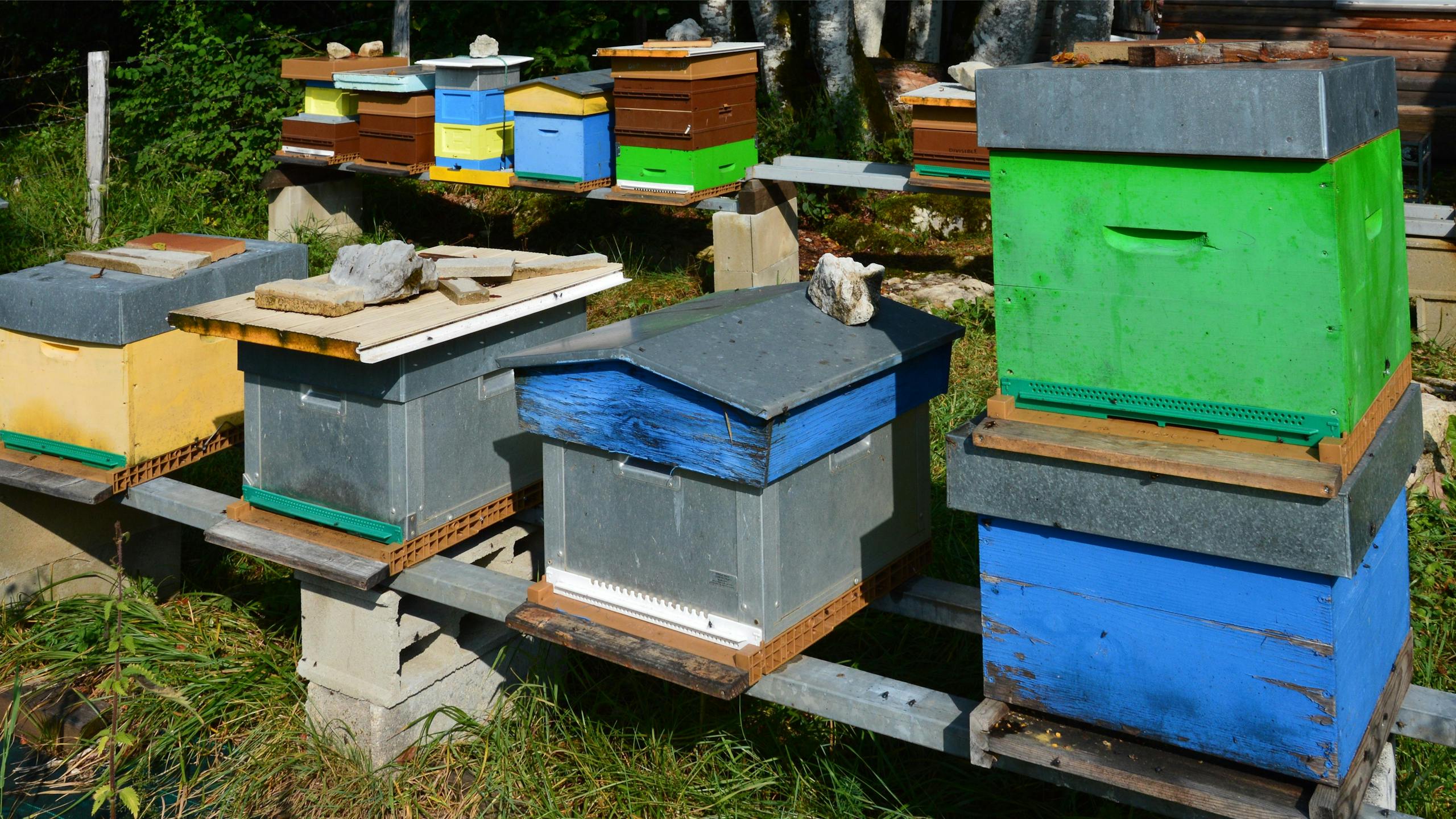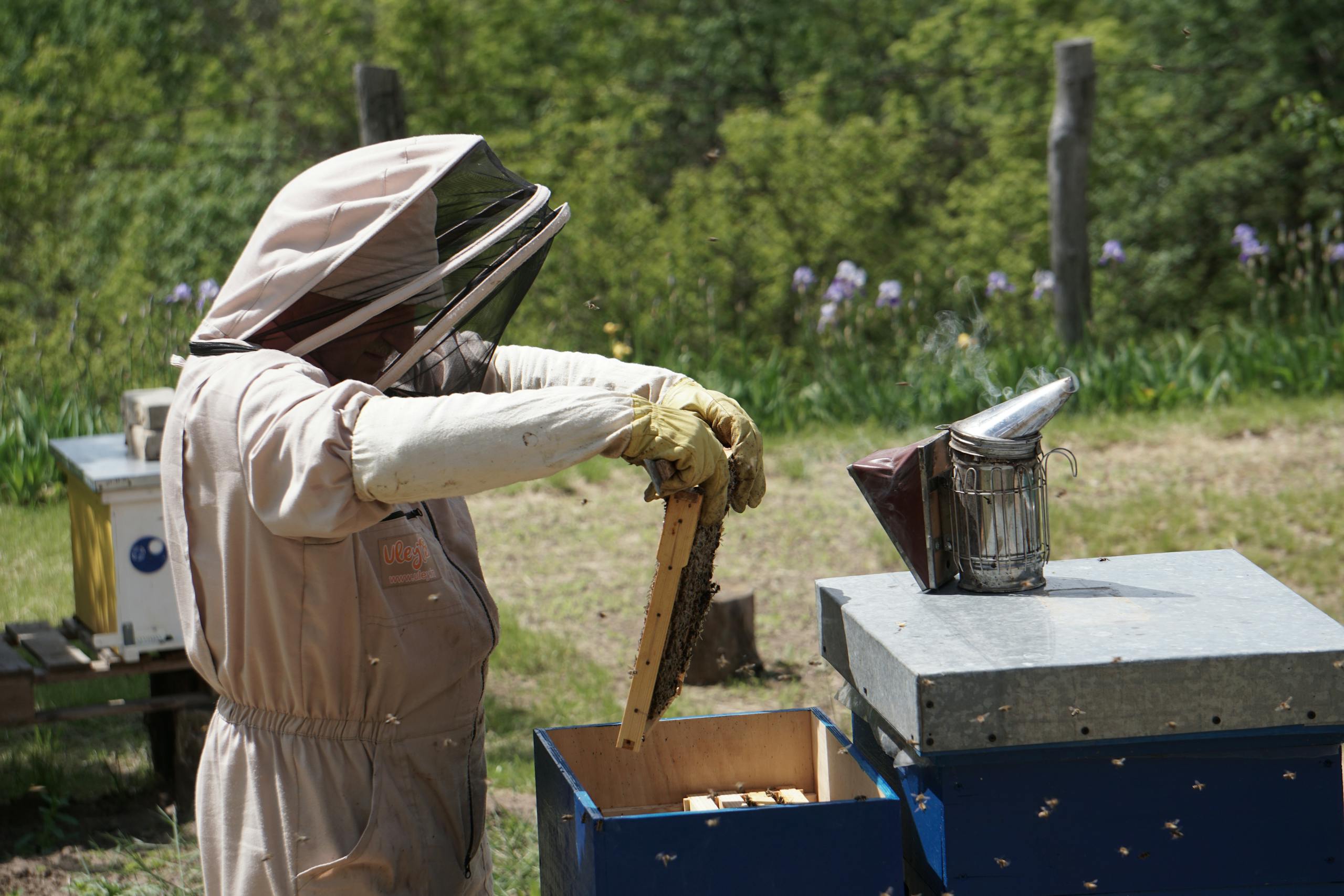

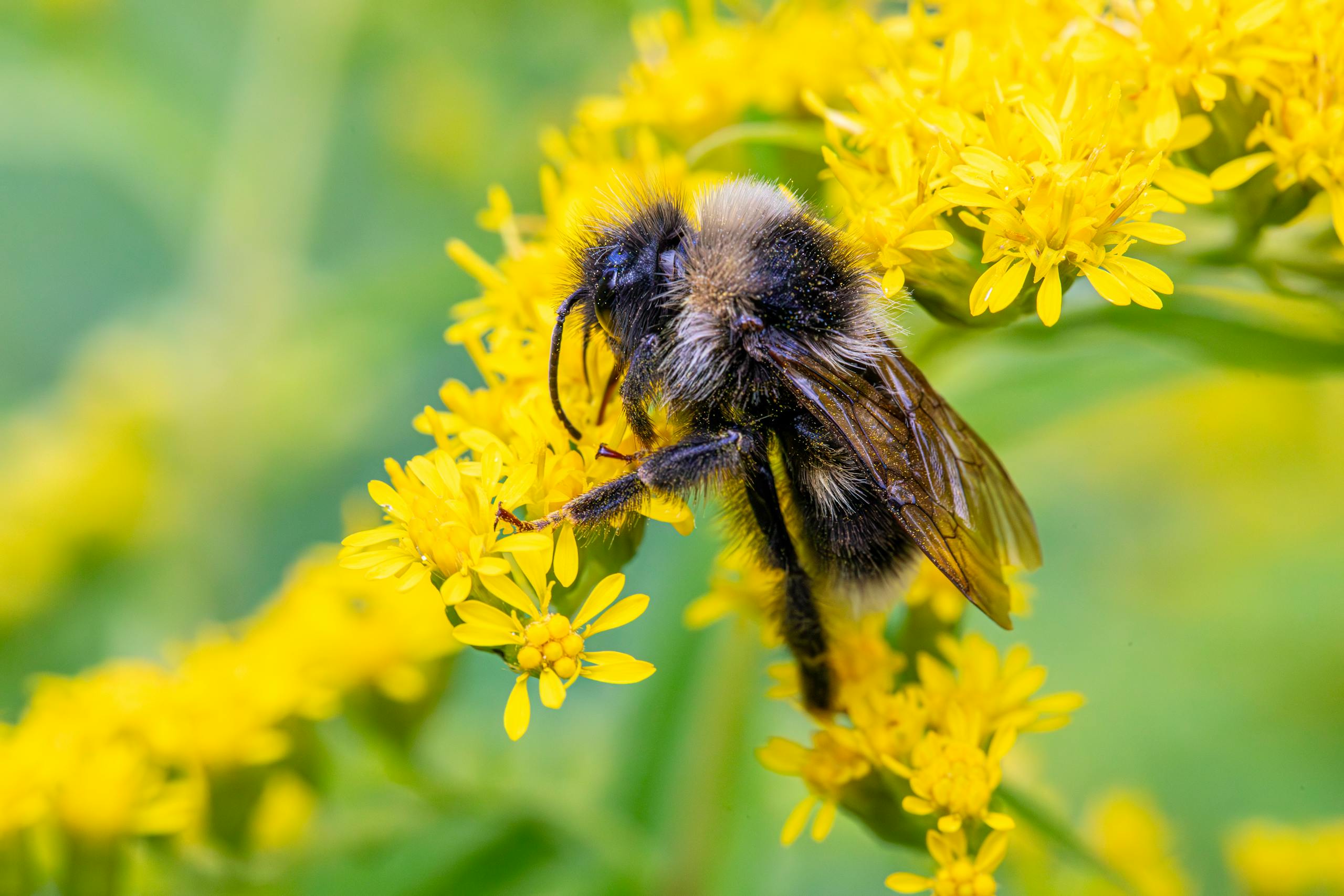
You have set up your new beehive. You have chosen the right spot. You have followed all the advice from experienced beekeepers. But now you are staring at an empty box and wondering: where are the bees?
This is a common challenge for beekeepers across Nigeria and Africa. A new hive does not automatically come with bees. You must attract them. And you must attract them naturally, without harmful chemicals or expensive shortcuts.
The good news is that bees want a good home. Your job is to make your hive look and smell like that home. This guide will show you exactly how to do that. I have spent over a decade working with Nigerian farmers through Zendric, and I have learned what works in our climate and our conditions. I will share proven methods that cost very little and deliver real results.
Whether you are in Lagos, Enugu, Nairobi, or Accra, the principles are the same. By the end of this post, you will know exactly what to put in your hive, where to place it, and when to expect your first colony.
Why Attracting Bees Naturally Matters
Many new beekeepers make a big mistake. They think they can just buy bees and pour them into the hive. That works sometimes, but it is expensive and often fails. A package of bees can cost between 25,000 and 40,000 Naira in Nigeria, and that is just for one hive. If you want to start with five or ten hives, the cost adds up fast.
Natural attraction costs almost nothing. It uses materials you can find locally. It also gives you stronger bees that are adapted to your local environment. Wild swarms that choose your hive are already comfortable with the climate, the local plants, and the seasonal changes in your area.
Attracting bees naturally is also better for the environment. You are supporting local pollination and helping crops grow better. Farmers who place hives near their farms often see higher yields of fruits and vegetables. It is a win for you and a win for nature.
The Food and Agriculture Organization of the United Nations reports that sustainable beekeeping practices are crucial for food security and rural economies. When you attract bees naturally, you are part of that global effort.
Understanding Bee Behavior Before You Start
The Swarming Process Explained
Bees do not randomly fly into empty boxes. There is a whole process behind it. Understanding this process will help you attract them faster.
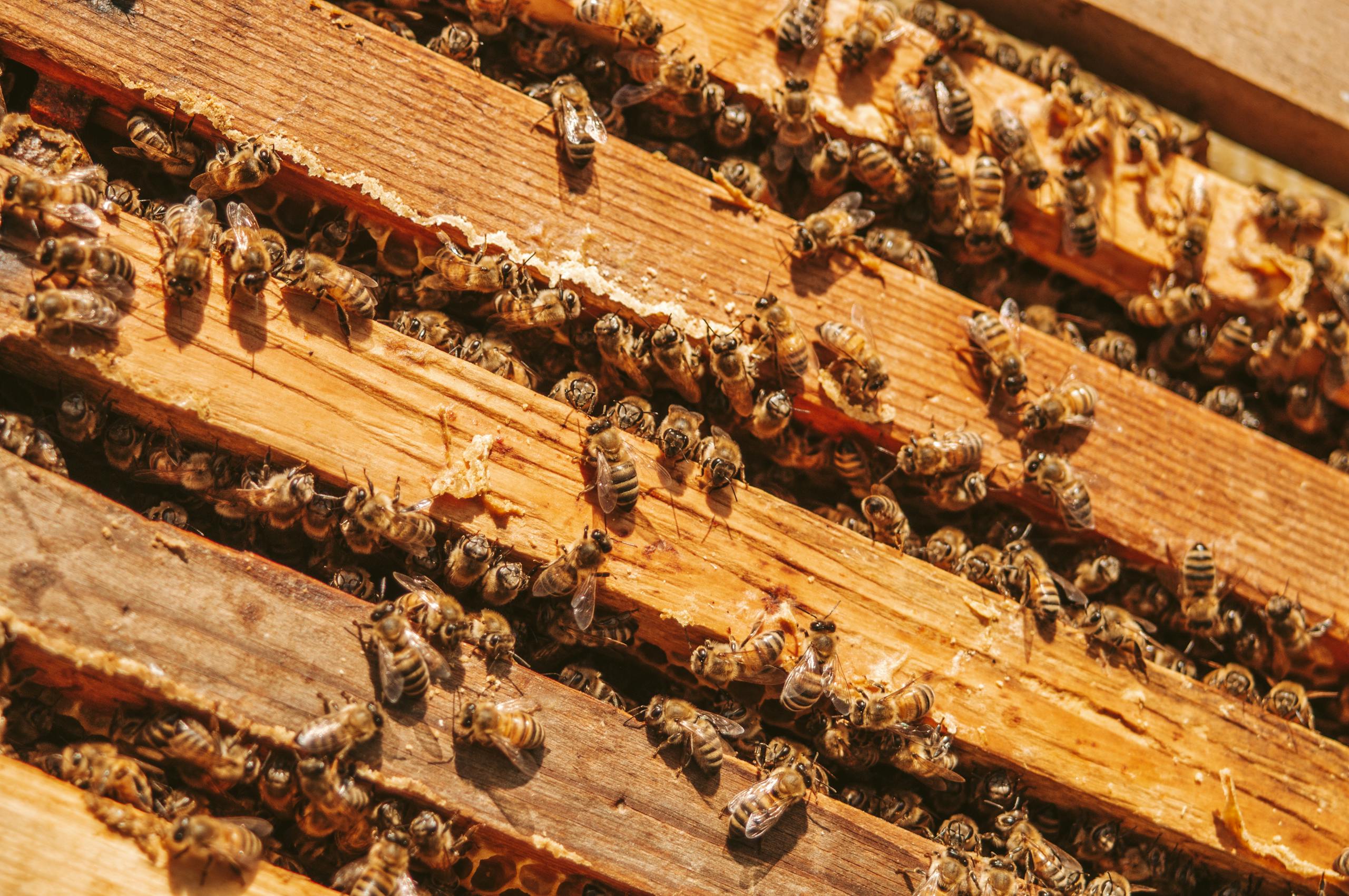
When a bee colony becomes too large for its current home, it splits. This is called swarming. The old queen leaves with about half the worker bees to find a new place to live. The remaining bees stay behind and raise a new queen.
Before the swarm moves, it sends out scout bees. These are experienced worker bees whose job is to find potential new homes. Scout bees fly around the area, inspecting hollow trees, rock crevices, and yes, empty beehives.
What Scout Bees Look For
Scout bees are very picky. They are looking for a cavity that is just the right size. Too small, and the colony will not have enough room to grow. Too large, and the colony will struggle to defend it and keep it warm.
A standard 10-frame Langstroth deep box is about 40 liters in volume. This is almost perfect for a new swarm. That is one reason why Langstroth hives are so popular among beekeepers worldwide.
Scout bees also check for safety. They want an entrance that is small enough to defend but large enough for bees to come and go easily. An entrance about one to two inches wide is ideal.
They also want a location that is dry, protected from strong winds, and gets morning sunlight. We will discuss placement in detail later in this guide.
Swarm Season Timing in Nigeria and Africa
Timing is everything. In Nigeria and most of West Africa, the main swarm season happens during the early rainy season, typically between March and June. This is when flowers are blooming and nectar is abundant.
There is often a second, smaller swarm season during the early dry season around October and November. This depends on your specific location and the availability of flowering plants.
If you want to catch a swarm, you need to have your bait hive ready before these seasons start. Scout bees begin searching several weeks before the main swarming period. If your hive is not in place early, you will miss your chance.
How to Prepare Your Hive for Natural Attraction
Choosing the Right Hive Type
The first step is making sure you have the right kind of hive. Not all hives are equally attractive to bees.
Langstroth hives are the most common type used by commercial beekeepers. They have removable frames that make management easy. Bees like them because the internal volume is just right. In Nigeria, Langstroth hives are widely available and cost between 25,000 and 40,000 Naira for a complete setup.
Top-bar hives are another good option. They are cheaper and can be built with local materials. Many small-scale farmers in Africa use top-bar hives successfully. The key is to make sure the hive is clean, dry, and properly assembled.
Traditional log hives and clay pot hives are still used in some rural areas. These can attract bees, but they make honey harvesting more difficult. I recommend starting with a modern hive that gives you better control.
Cleaning and Seasoning a New Hive
A brand new wooden hive smells like fresh lumber. Bees do not like this smell. It does not smell like a home.
You need to season the hive before you put it out. The simplest method is to leave it outside in a shaded area for a few weeks. Let the sun and air naturally mellow the wood smell.
If you want to speed up the process, you can rub the inside walls with a mixture of beeswax and olive oil. This adds a familiar scent and also protects the wood.
Never use paint, varnish, or chemical treatments on the inside of your hive. These smells will repel bees and can even harm them if they do move in.
What to Put Inside Your Hive
Your hive needs frames. For a 10-frame Langstroth deep box, you should have 8 to 10 frames inside. If you have new frames with fresh foundation, that is fine. But if you can get one or two old frames with drawn comb, that is much better.
Old comb smells like a real bee colony. It tells scout bees that bees have lived here before and done well. This is the single most powerful attractant you can use.
If you do not have old frames, do not worry. You can create the same effect using beeswax and other natural lures.
Natural Scents That Attract Bees to a New Hive
Beeswax: The Most Important Attractant
Beeswax is the foundation of natural bee attraction. It is what bees themselves produce to build their homes. The smell of beeswax is unmistakable to a scout bee.
To use beeswax as an attractant, melt a small amount of pure beeswax in a double boiler. Be careful not to overheat it. Use a brush to coat the inside walls of your hive and the entrance area. Let it cool and harden before you set the hive out.
You can also rub a solid block of beeswax against the wood. The friction will leave behind a thin layer of wax and a strong scent.
If you do not have beeswax, you can buy it from local beekeepers or agricultural supply stores. In Nigeria, pure beeswax sells for about 2,000 to 3,000 Naira per kilogram. A small amount goes a long way.
Lemongrass Essential Oil: The Beekeeper’s Secret
Lemongrass oil is one of the most effective natural lures for attracting bees. The reason is simple. Lemongrass oil contains compounds that mimic the Nasonov pheromone. This is a scent that bees release to say “come here, this is home.”
To use lemongrass oil, place two to three drops on a cotton ball or a small piece of paper towel. Put this inside the hive, near the entrance but not blocking it. The scent will slowly release over several days.
Refresh the lemongrass oil every two to three weeks. The scent fades over time, especially in hot weather. Be careful not to use too much. A few drops is all you need. More is not better in this case.
You can find lemongrass essential oil at most pharmacies and health food stores in Nigeria. It is inexpensive and one bottle will last a long time.
Old Brood Comb: The Gold Standard
If you know an experienced beekeeper, ask them for one or two old frames of brood comb. Brood comb is the dark, almost black comb that has been used for raising baby bees. It is soaked in the scents of beeswax, propolis, and old cocoons.
This scent is irresistible to scout bees. It tells them that this location has successfully raised generations of bees. It is like a five-star review for a bee hotel.
When you place old brood comb in your new hive, position it in the center of the box. This becomes the heart of the new colony. The bees will build from there.
A word of caution. Make sure the comb you get comes from a healthy colony. Honey from another hive can carry diseases like American Foulbrood, which can destroy your new colony. Only use comb from trusted sources.
Propolis and Other Natural Attractants
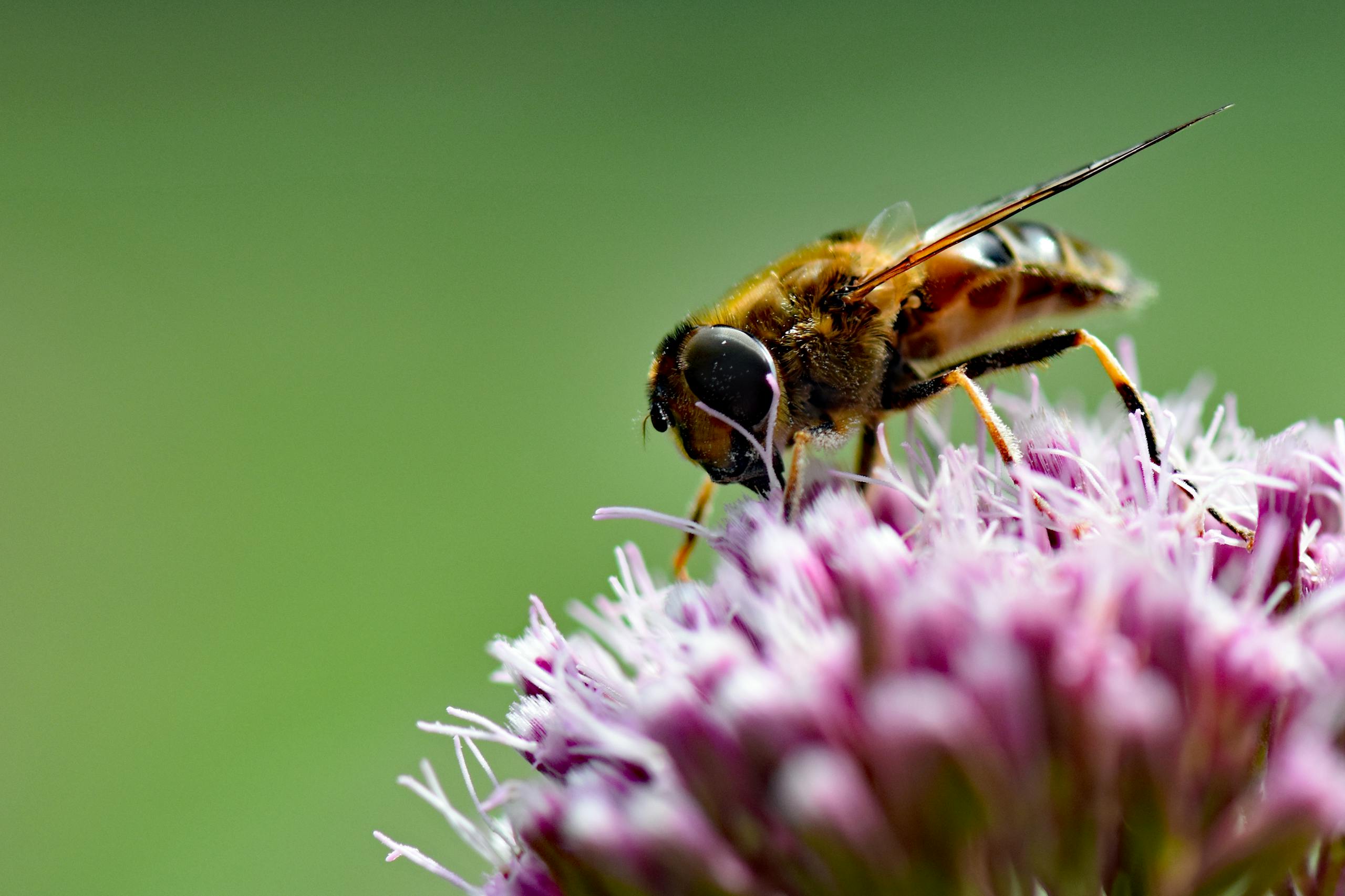
Propolis is a sticky resin that bees collect from tree buds and use to seal cracks in their hive. It has a strong, distinctive smell that scout bees recognize.
If you can get some propolis from another beekeeper, rub it around the entrance of your hive. Even a small amount makes a big difference.
Some traditional African beekeepers use wood smoke to attract bees. They flash burning dry grass inside the hive, leaving behind a smoky scent that attracts scout bees. This method works, but you must be careful. Too much smoke will chase bees away, not attract them. The goal is to leave the scent of smoke, not the smoke itself.
Planting Bee-Friendly Flora Around Your Hive
Why Flowers Matter for Long-Term Success
Attracting bees to move in is just the first step. Keeping them there is the real challenge. Bees will abandon a hive if there is not enough food nearby.
The best way to keep bees is to plant nectar-rich flowers and trees around your apiary. This creates a permanent food source that will sustain your colony year after year.
In Nigeria and across Africa, we are blessed with a long growing season and many plants that bees love. Let us look at the best options.
Best Trees for Bees in Nigeria and Africa
Trees are excellent for bees because they produce massive amounts of flowers. A single large tree can feed thousands of bees.
Mango trees (Mangifera indica) are one of the best options. They are common throughout Nigeria and produce abundant flowers during the dry season. Bees love mango blossoms.
Citrus trees including oranges, lemons, and limes are also excellent. Their flowers are rich in nectar and bloom during the rainy season.
Cashew trees (Anacardium occidentale) produce flowers that are highly attractive to bees, especially during blooming seasons.
Guava trees (Psidium guajava) have fragrant blossoms that draw in bees.
Neem trees (Azadirachta indica) are known for their medicinal properties, and bees are attracted to their flowers.
Acacia trees (Acacia spp.) are abundant in many parts of Nigeria, and their flowers are a favorite of bees.
Coconut trees provide consistent pollen year-round in warm coastal regions.
Avocado trees deliver nectar feasts during their flowering periods.
If you have space, plant a variety of these trees. Different trees bloom at different times, ensuring a steady food supply throughout the year.
Flowering Plants and Crops Bees Love
Beyond trees, many smaller plants and crops are excellent for bees.
Sunflowers bloom vibrantly and offer a nectar surge during the wet season in Nigeria.
Sesame (beniseed) is a crop that produces flowers rich in nectar. Planting sesame near your apiary helps both your bees and your wallet.
Ogbono (African bush mango) flowers attract pollinators and the tree produces valuable fruits.
Cowpeas and other legumes produce flowers that bees visit regularly.
Wildflowers native to your area are always a good choice. They are adapted to the local climate and require little maintenance.
Research has identified several plants visited by honeybees in Nigeria, including Harungana madagascariensis, Plastostoma africanum, and Stachytarpheta jamaicensis. These are being reported for the first time as bee-plants in certain regions, showing that we still have much to learn about our local flora.
Creating a Year-Round Nectar Calendar
To keep bees happy, you need flowers blooming in every season. Here is a simple approach.
During the rainy season (April to October), plant sunflowers, cowpeas, and vegetables that flower. Many fruit trees like mango and citrus also bloom during this period.
During the dry season (November to March), rely on trees like neem, acacia, and cashew. These hardy trees produce flowers even when other plants are dormant.
A diverse planting strategy ensures that your bees never go hungry. It also produces better honey with more complex flavors.
Where to Place Your Hive for Maximum Attraction
The Ideal Hive Location
Location can make or break your success. Even the best lure will not work if your hive is in the wrong spot.
Place your hive where it gets morning sunlight. This warms the hive early and gets the bees active sooner. But avoid full afternoon sun, which can overheat the hive in hot Nigerian weather. Partial shade from a tree is ideal.
The hive must be dry and well-drained. Moisture inside a hive leads to fungal diseases and makes the colony uncomfortable. Place your hive on a stand to elevate it off the damp ground.
Protect the hive from strong winds. Wind makes it hard for bees to land at the entrance and can chill the colony during cooler months. A natural windbreak like a hedge or building is helpful.
Keep the hive away from heavy human activity. Bees need quiet. Do not place hives near busy roads, playgrounds, or areas where people gather frequently.
Height and Orientation
For a bait hive meant to catch a wild swarm, height matters. Scout bees naturally search at heights of 10 to 15 feet above the ground. This is where they would find hollow trees in nature.
If you can safely place your bait hive in a tree at this height, your chances of catching a swarm increase significantly. Make sure the hive is secure and will not fall.
The entrance should face south or southeast if possible. This catches the morning sun and protects from the harshest afternoon heat.
Proximity to Water
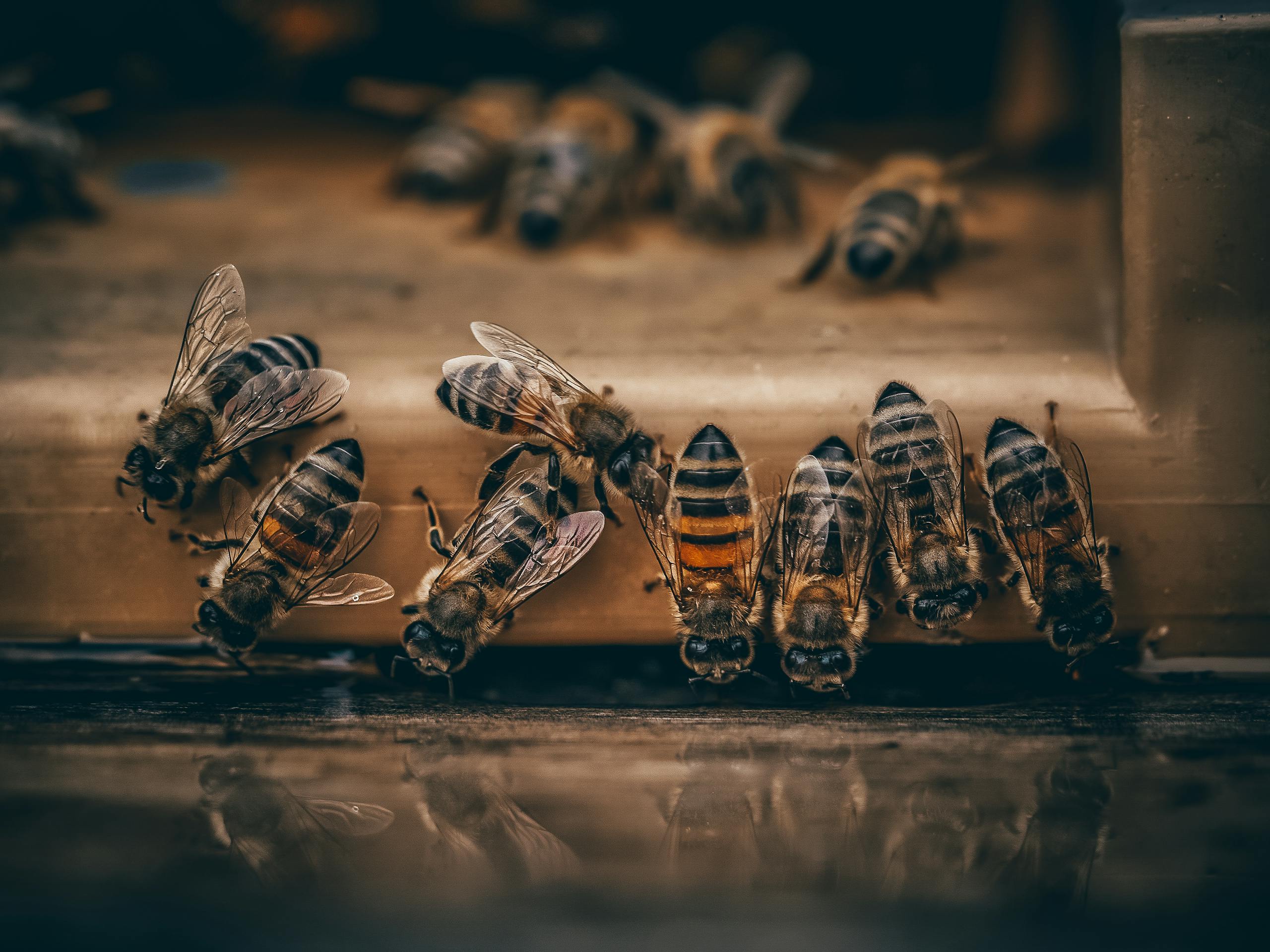
Bees need water. They use it to drink, to cool the hive on hot days, and to dilute honey when feeding larvae.
If there is no natural water source within 500 meters of your hive, provide one. A shallow dish with pebbles or floating cork works well. The pebbles give bees a safe place to land without drowning.
Refresh the water regularly to prevent mosquitoes from breeding. Clean water means healthy bees.
Using Swarm Traps
A swarm trap is simply a bait hive placed specifically to catch wild swarms. You can use a smaller box called a nucleus hive or “nuc” for this purpose. A nuc holds about 5 frames and is easier to move once bees move in.
Place swarm traps in trees with dense canopies like mango, guava, or neem. These trees are attractive to bees and provide natural shade.
Check your traps every two to three weeks during swarm season. When a swarm moves in, you will see bees coming and going actively. At that point, you can move the trap to your permanent apiary location.
What Not to Do When Attracting Bees
Avoid Sugar Water and Honey as Bait
This is a common but dangerous mistake. Some people advise putting sugar water or honey inside the hive to attract bees. This does not work and can cause serious problems.
Sugar water attracts ants, wasps, and other pests. These pests will invade your hive and may deter scout bees from even looking inside.
Using honey from another hive is even worse. Honey can carry disease spores that remain viable for decades. Introducing infected honey into a new hive can doom your future colony before it even starts.
Stick to scent-based attractants like beeswax and lemongrass oil. These are safe and effective.
Avoid Strong Chemical Smells
New beekeepers sometimes paint the inside of their hive or use strong cleaning chemicals. This is a mistake.
Bees have an extremely sensitive sense of smell. They will avoid any cavity that smells like paint, bleach, or other chemicals.
If you need to clean a used hive, use only boiling water or a mild vinegar solution. Let it dry completely in the sun before use.
Avoid Disturbing the Hive Frequently
Once your bait hive is set up, leave it alone as much as possible. Scout bees are shy. If they see you opening the hive every few days, they may decide it is not a safe location.
Check your hive once every two to three weeks during swarm season. When you check, be quick and quiet. Look for signs of activity without opening the hive fully unless you are sure bees have moved in.
Avoid Placing Hives Too Close Together
If you have multiple empty hives, space them at least 10 to 15 feet apart. Bees need to distinguish between different potential homes. Hives placed too close together confuse scout bees and reduce your chances of catching a swarm.
Patience and Observation: The Beekeeper’s Greatest Tools
How Long Does It Take to Attract Bees
There is no guaranteed timeline. Some beekeepers catch a swarm within days of setting up their bait hive. Others wait weeks or even months.
The key is to be patient. Bees are wild creatures with their own schedules. You cannot rush them.
In Nigeria, the best time to set up a bait hive is early February, just before the main swarm season begins in March. If you miss that window, try again in late September for the secondary swarm season in October and November.
Signs That Bees Are Interested
Watch for these signs that scout bees are checking out your hive.
You may see a few bees hovering around the entrance, flying in and out repeatedly. These are likely scout bees inspecting the cavity.
You might notice bees landing on the outside of the hive and walking around the entrance. They are checking for cracks and assessing the size.
The most exciting sign is a steady stream of bees coming and going throughout the day. This means a colony has moved in.
Signs That Bees Have Moved In
When a swarm moves in, you will see a dramatic increase in activity. Hundreds or thousands of bees will be flying around the entrance.
You will see bees returning with pollen on their legs. This means the queen is laying eggs and the colony is establishing itself.
You may notice bees at the entrance fanning their wings. This is called ventilating, and it helps regulate the temperature inside the hive.
Once you confirm that bees have moved in, give them at least two weeks to settle before you open the hive for a full inspection.
Common Questions About Attracting Bees Naturally
Can I Attract Bees Without Any Lures
Yes, you can. A well-placed hive in an area with abundant flowers will eventually attract bees on its own. But using natural lures like beeswax and lemongrass oil significantly increases your chances and speeds up the process.
How Often Should I Refresh the Lemongrass Oil
Refresh lemongrass oil every two to three weeks. In very hot weather, the scent may fade faster. If you are not seeing any interest after a month, add a few fresh drops.
What If Bees Move Into a Different Location Instead of My Hive
Sometimes scout bees will find a hollow tree or a crack in a building that they prefer over your hive. There is not much you can do about this except make your hive as attractive as possible.
If you notice bees showing interest in a nearby location but not entering your hive, check that location. Make sure your hive is more appealing with proper lures and placement.
Can I Move the Hive After Bees Move In
You can move a hive after bees move in, but you must do it carefully. Move the hive at night when all the bees are inside. Move it more than 3 kilometers away, or less than 1 meter. If you move it a medium distance, the bees will return to the old location and become lost.
The safest approach is to place your bait hive in its permanent location from the start. This avoids the need to move it later.
Is Beekeeping Profitable in Nigeria
Yes, beekeeping is highly profitable. A single hive can produce 10 to 15 liters of honey per harvest season. With honey selling for 4,000 to 6,000 Naira per liter, a small setup of ten hives can generate 400,000 to 600,000 Naira in gross income per harvest.
Because honey can be harvested twice a year in favorable areas, the profits grow quickly. And by attracting bees naturally, you save the cost of buying bee packages.
Final Thoughts: Building a Thriving Apiary Naturally
Attracting bees to a new hive naturally is not complicated. It requires understanding what bees want and providing it for them.
Start with a clean, properly assembled hive. Season it with beeswax. Add a few drops of lemongrass oil. If possible, include a frame of old brood comb. Place the hive in a good location with morning sun, afternoon shade, and protection from wind. Plant nectar-rich flowers and trees nearby. Then be patient.
This approach has worked for thousands of beekeepers across Nigeria and Africa. It will work for you too.
Beekeeping is more than just honey. It is about supporting our environment, improving crop yields, and building a sustainable source of income. The Food and Agriculture Organization emphasizes that sustainable beekeeping practices are crucial for food security and rural development.
At Zendric, I have helped thousands of Nigerian farmers start successful beekeeping operations with minimal capital. The methods described in this guide come from real experience in our local conditions. They are proven, practical, and effective.
If you have questions about attracting bees or starting your beekeeping journey, explore more of our guides at Zendric. I also invite you to share your experiences in the comments below. What worked for you? What challenges did you face? Your story can help another beekeeper succeed.
Thank you for reading. Now go set up that hive and let nature do the rest.
About the Author
Peter Uzodimma is the Founder and Lead Agricultural Consultant at Zendric, with over a decade of hands-on experience in the Nigerian agricultural sector. His proven frameworks have helped thousands of farmers transform minimal capital into thriving, scalable agribusinesses. Dedicated to sustainability and economic empowerment, Peter combines traditional farming wisdom with modern data-driven tools to ensure every farmer has a clear roadmap to success.