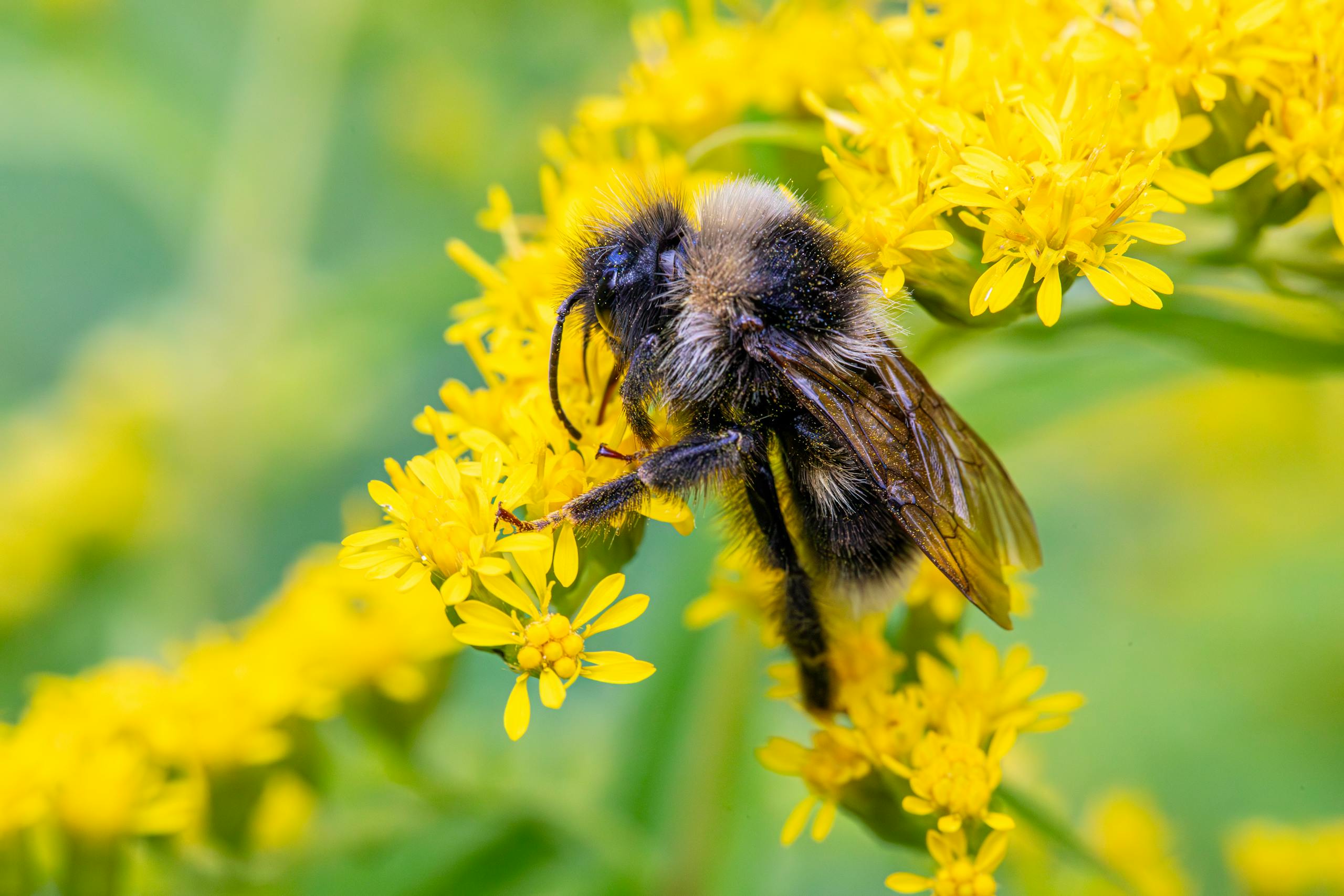

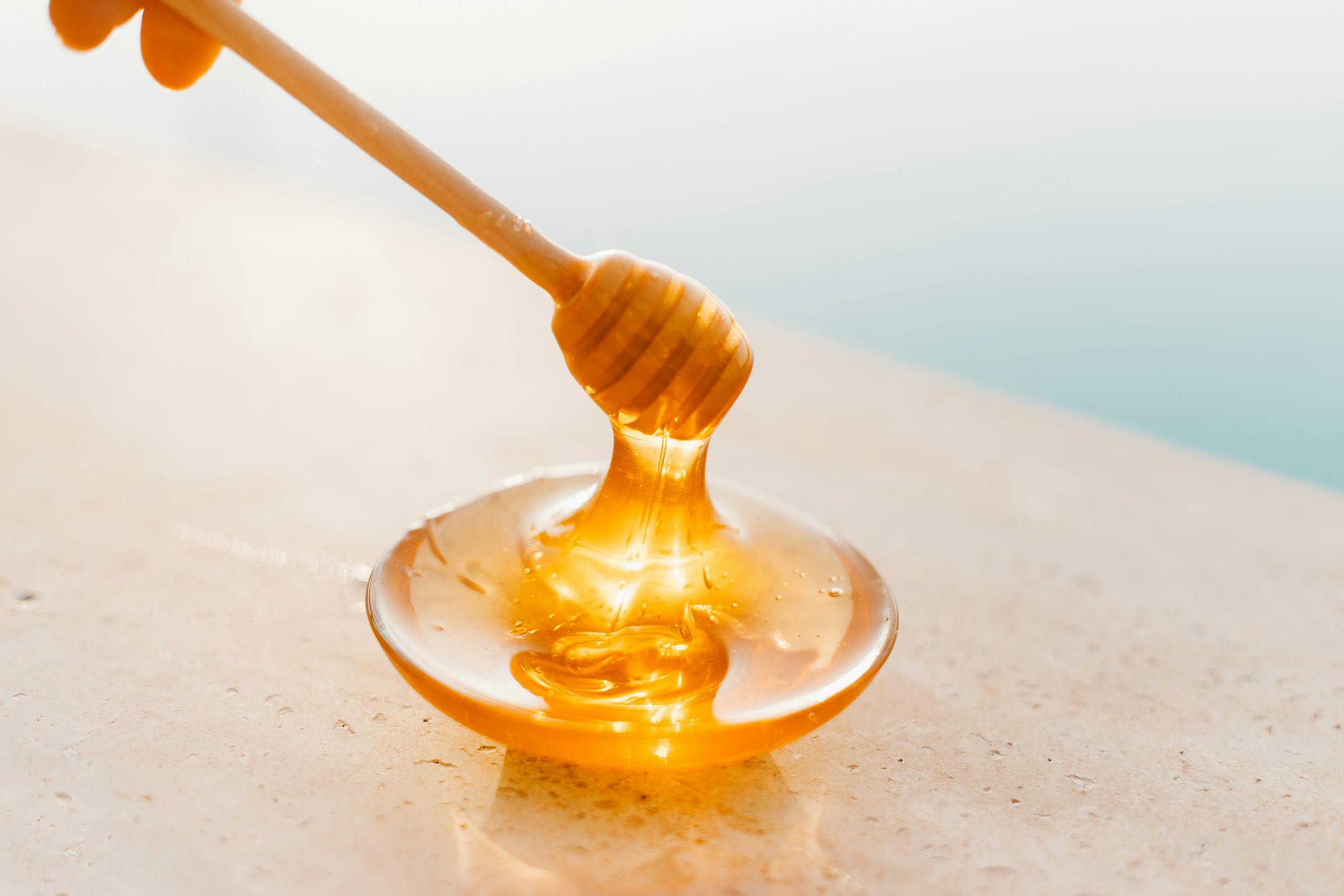
Honey production at home is one of the smartest ways to earn extra income without needing a huge amount of land or money. People all over the world are discovering that beekeeping, also called apiculture, can be a profitable small business. In Nigeria and many other countries, the demand for pure, natural honey is growing every year. Yet there are not enough beekeepers to meet this demand. That means there is a real opportunity for you.
This guide will show you exactly how to start making money from honey production right at home. You will learn what equipment you need, how much it costs, where to sell your honey, and how much profit you can expect. Everything is explained in simple words that anyone can understand. Let us begin.
Why Honey Production at Home Is a Smart Business
The Growing Demand for Natural Honey
More people today want to buy natural and organic foods. Honey is one of those products. The United States honey market was worth over 1.2 billion dollars in 2023 and is still growing fast. Consumer interest in local and artisanal honey has surged by over 35 percent in the last five years. This trend is happening in Nigeria too. Many people are looking for pure honey that has not been mixed with sugar or other things.
Nigeria has a tropical climate that is perfect for bees. There are long flowering seasons, many different plants, and plenty of nectar sources. Despite these advantages, Nigeria still imports honey to meet local demand. This is a clear sign that the local market has room for more producers. For someone starting at home, this is great news. It means you can enter a market that is not too crowded.
Low Startup Costs and Minimal Daily Work
One of the best things about home honey production is that it does not require a lot of money to start. A beginner can start with just five to ten hives. Each hive setup costs between 25,000 and 40,000 Naira, which covers the hive, the bee colony, and protective clothing. Compared to other farming businesses like poultry or fish farming, beekeeping has much lower startup costs.
Beekeeping also does not need daily feeding or constant supervision. Once your hives are set up in a good spot and the bee colonies are established, the bees take care of themselves. Your main jobs are to check the hives sometimes, prevent pests from causing problems, and harvest the honey at the right time. This makes beekeeping a great side business for people who already have a job or other responsibilities.
Quick Returns on Your Investment
Beekeeping gives you returns faster than many other farming businesses. Within six to eight months after setting up your hives, the bees will begin producing honey. In good areas, you can harvest honey up to two times per year. This means you do not have to wait years to see money coming in.
Understanding the Basics of Home Honey Production
What Is Beekeeping or Apiculture?
Beekeeping, also called apiculture, is the practice of managing honeybee colonies. The goal is to harvest honey and other products that bees make. These other products include beeswax, which is used in candles and cosmetics, royal jelly, which is used in health supplements, and propolis, which has medicinal uses. Some beekeepers even collect bee venom for alternative medicine.
Bees are incredible workers. A single healthy hive can produce between 10 and 15 litres of honey per harvest season. In some places with lots of flowers and good weather, a hive can produce up to 20 to 60 pounds of honey per year. The amount depends on the local flowers, the climate, and how well you manage the hive.
Types of Beehives You Can Use
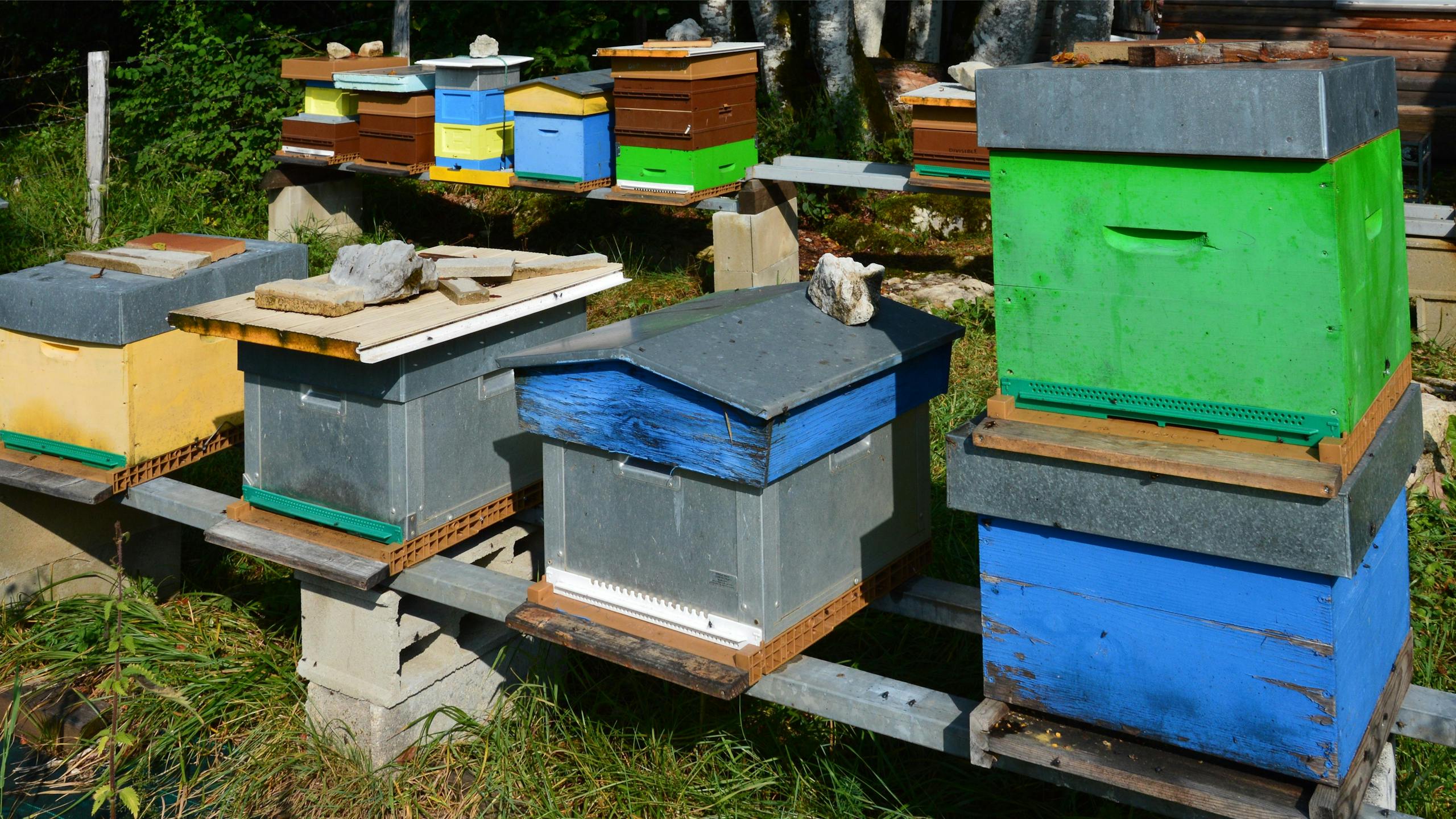
There are different types of beehives you can choose from. The most common type is the Langstroth hive. This hive uses rectangular frames that the bees build their honeycomb on. Langstroth hives are popular because they make it easy to inspect the colony and harvest honey without destroying the comb.
Another type is the top-bar hive. This hive has bars across the top instead of frames. Bees build their comb hanging down from these bars. Top-bar hives are simpler and often cost less. They are a good choice for beginners.
In Nigeria, many beekeepers use local hives made from materials like wood or even clay pots. However, modern hives like Langstroth or top-bar hives make harvesting cleaner and more efficient. A standard Langstroth hive typically costs between 150 and 300 dollars for all the parts, including the brood box, honey supers, frames, and covers.
Choosing a Good Location for Your Hives
The location of your hives matters a lot. Bees need to be near sources of nectar and pollen. Flowers, fruit trees, and wild plants all provide food for bees. If you have a garden with flowering plants, that is a good start. Even in cities, bees can find food in parks and gardens.
You should place your hives in a spot that gets morning sunlight but has some shade in the afternoon. The hives should be protected from strong winds. There should be a source of clean water nearby. Bees need water to drink and to cool their hive. A shallow dish with stones in it works well, so the bees can land and drink without drowning.
Also think about your neighbors. If you live close to other people, place the hives where the bees’ flight path does not cross areas where people walk or sit. Facing the hive entrance toward a fence or tall plants forces the bees to fly upward when they leave. This keeps them out of people’s way.
Startup Costs and Equipment You Will Need
Estimated Startup Costs for a Small Home Operation
Here is a simple breakdown of what it costs to start a small home honey production business with five hives. The prices are in Nigerian Naira, based on current market information.
| Item | Cost per Unit (₦) | Quantity | Total Cost (₦) |
|---|---|---|---|
| Beehive (Langstroth type) | 30,000 | 5 | 150,000 |
| Bee colony (nucleus or package) | 15,000 | 5 | 75,000 |
| Protective suit with veil | 25,000 | 1 | 25,000 |
| Gloves | 5,000 | 1 | 5,000 |
| Smoker | 10,000 | 1 | 10,000 |
| Hive tool | 3,000 | 1 | 3,000 |
| Honey extractor (manual) | 35,000 | 1 | 35,000 |
| Honey jars and labels (first batch) | 15,000 | 1 set | 15,000 |
| Total Estimated Startup Cost | ₦318,000 |
This total is an estimate. You can start with fewer hives to lower the cost. Some beekeepers start with just two or three hives and add more later as they gain experience and earn money from honey sales. Starting small is wise. You can learn without risking too much money.
Essential Equipment Explained
Beehives: This is the home for your bees. You can buy ready-made hives or build your own if you are handy with wood. A Langstroth hive has several parts: a bottom board, brood boxes where the queen lays eggs, honey supers where bees store extra honey, frames that hold the honeycomb, and a cover to protect from rain.
Protective Gear: You will need a beekeeper’s suit or jacket, a veil to protect your face and neck, and gloves. Bees sting to protect their hive. Good protective gear keeps you safe and makes you feel more confident when working with your bees. A full suit with veil and gloves costs between 100 and 250 dollars in many countries. In Nigeria, you can find local suppliers offering good quality gear for less.
Smoker: A smoker is a metal can with a bellows attached. You burn materials like wood chips, dried leaves, or burlap inside. The smoke calms the bees. When bees smell smoke, they think there is a fire nearby. They start eating honey in case they need to leave the hive. This makes them less likely to sting. A smoker is one of the most important tools for a beekeeper.
Hive Tool: This is a simple metal bar used to pry apart the frames inside the hive. Bees glue everything together with propolis. You need a hive tool to separate the frames so you can inspect the hive or harvest honey.
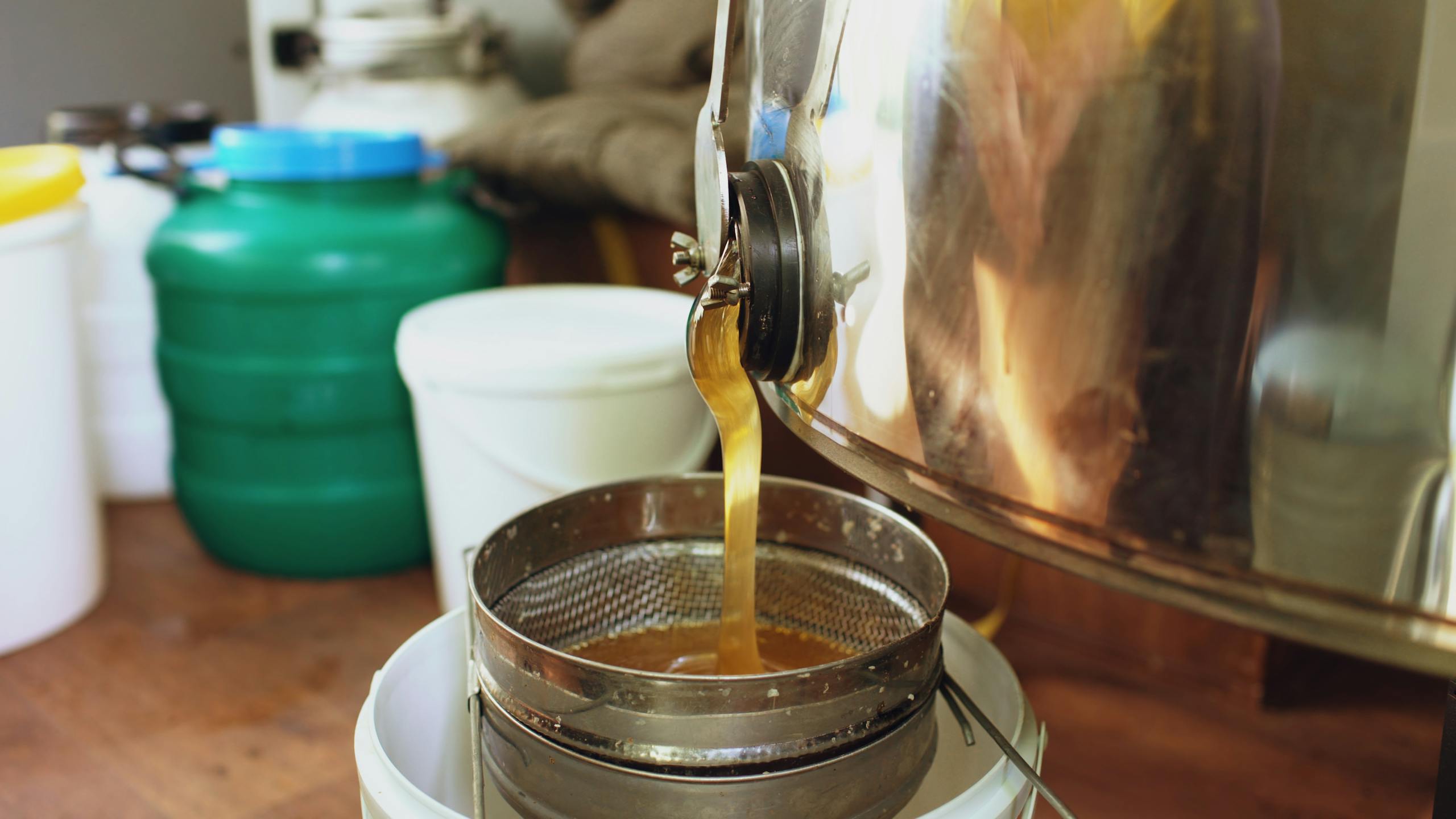
Honey Extractor: This machine spins the honey out of the frames without destroying the honeycomb. A manual extractor costs less and works well for a small number of hives. If you have more hives, an electric extractor saves time. In Nigeria, you can find locally made extractors for around 31,700 Naira.
Ongoing Costs to Keep in Mind
After your initial setup, you will have some ongoing costs each year. These costs are small compared to other businesses. Yearly maintenance expenses usually fall between 300 and 1,100 dollars per year for a small operation. Here are the main ongoing costs:
- Supplemental feed for bees during dry seasons: 50 to 100 dollars per year
- Pest control treatments, such as for Varroa mites: 50 to 200 dollars per year
- Replacement of damaged equipment: 20 to 100 dollars per year
- New honey jars and labels as you sell more: depends on your sales
Bees are mostly self-sufficient. They gather their own food from flowers. You only need to feed them during times when flowers are scarce. This is usually during very dry seasons or in winter in colder places.
How to Get Started with Home Honey Production
Step 1: Learn the Basics of Beekeeping
Before you buy any bees or equipment, take time to learn about beekeeping. Read books, watch videos online, and if possible, visit a local beekeeper. Many agricultural institutes, non-governmental organizations, and state extension agencies in Nigeria offer short courses in apiculture. These programs teach practical skills like colony management, hive division, and safe harvesting methods.
Learning from experienced beekeepers is valuable. They can show you things that books cannot explain, like how to spot a healthy queen or how to handle bees gently. Some states in Nigeria, like Oyo and Bauchi, have government programs that train farmers in beekeeping. Check with your local agricultural extension office to see what training is available in your area.
Step 2: Create a Simple Business Plan
A business plan does not need to be complicated. It just helps you think through what you want to achieve and how you will do it. Write down these things:
- How many hives you will start with
- How much money you need to start
- Where you will sell your honey
- How much you will charge per bottle
- How you will let people know about your honey
A simple plan keeps you focused. It also helps if you ever want to apply for a loan or grant. There are templates available online for honey business plans in Nigeria. These can guide you in writing your own plan.
Step 3: Register Your Business and Get Permits
Before you start selling honey, you need to make sure you are following the law. In Nigeria, you may need to register your business name with the Corporate Affairs Commission. If you plan to sell honey in stores or export it, you will need to register with NAFDAC, the National Agency for Food and Drug Administration and Control.
NAFDAC registration shows that your honey meets safety and quality standards. This builds trust with customers. The process takes time and has a cost, but it opens up more selling opportunities. For small-scale local sales at farmers markets or to neighbors, the requirements may be simpler. Check with your local government to understand what applies to you.
The Nigerian government is working to create a national code of practice for beekeeping. The Federal Ministry of Livestock Development has drafted standard operating procedures that will guide how apiaries should operate and how honey should be handled. This is good news for beekeepers because it will help raise the quality of Nigerian honey and make it easier to sell locally and internationally.
Step 4: Buy Your Bees and Equipment
Once you have learned the basics and planned your budget, it is time to buy your bees and equipment. You can buy a package of bees, which includes a queen and several thousand worker bees. Or you can buy a nucleus colony, often called a “nuc.” A nuc is a small, established colony with a laying queen, worker bees, and frames of brood and honey. Nucs cost more but start producing honey faster.
You can buy bees from other beekeepers or from agricultural suppliers. In Nigeria, there are beekeeping associations like the Federation of Beekeepers Association of Nigeria (FEBKAN) that can help you find reputable sources for bees and equipment. Joining an association is also a great way to meet other beekeepers and learn from their experience.
Step 5: Set Up Your Hives and Introduce the Bees
Set up your hives in the location you have chosen. Make sure the hives are level and stable. You can place them on stands or on concrete blocks to keep them off the ground and protect them from pests.
When your bees arrive, you will introduce them to their new hive. If you bought a package of bees, you will pour the bees into the hive and place the queen cage inside. If you bought a nuc, you will transfer the frames from the nuc box into your hive. This is an exciting moment. Be gentle and calm. Wear your protective gear. The bees will settle in and start building comb within a few days.
Step 6: Care for Your Bees and Harvest Honey
During the first few months, check your hives every one to two weeks. Look for signs that the queen is laying eggs. Make sure the bees have enough food and are building comb. Watch for pests like ants, beetles, or mites.
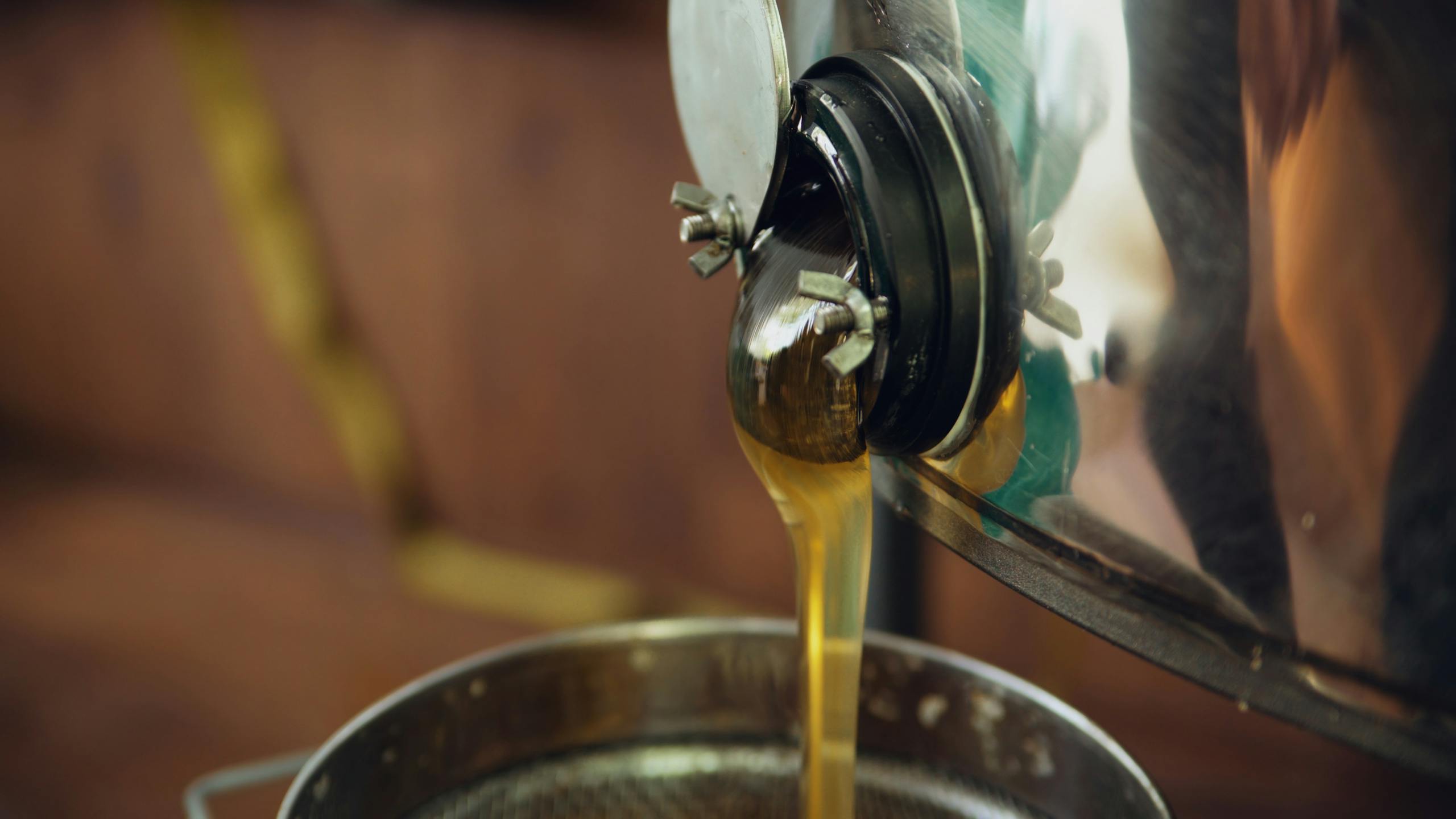
After six to eight months, your bees should have stored extra honey that you can harvest. Harvesting honey involves removing the frames full of honey, cutting off the wax cappings, and spinning the frames in an extractor. The honey flows out and can be strained and bottled. Always leave enough honey for the bees to eat, especially if you are heading into a dry season or winter.
How to Make Money from Your Home Honey Production
Selling Raw Honey
The most direct way to make money is by selling the raw honey you harvest. In Nigeria, honey sells for between 4,000 and 6,000 Naira per litre at local markets. If you have ten hives and each produces 10 to 15 litres per harvest, you can earn between 400,000 and 600,000 Naira in gross income per harvest. If you harvest twice a year, that is between 800,000 and 1.2 million Naira annually.
To sell your honey, you need to package it well. Use clean glass or plastic jars with tight lids. Create a label that shows your business name, the type of honey, the net weight, and your contact information. An attractive label makes your honey look professional and helps it sell faster.
Selling Other Bee Products
Honey is not the only product you can sell. Beeswax is valuable too. It is used to make candles, lip balms, lotions, and soaps. In Nigeria, beeswax sells for about 2,000 to 3,000 Naira per kilogram. If you harvest beeswax along with your honey, you add another income stream without much extra work.
Other products include:
- Royal jelly: a nutritious substance fed to queen bees, used in health supplements
- Propolis: a resin bees collect from trees, used for its antimicrobial properties
- Pollen: collected by bees and sold as a health food
Some beekeepers also sell bee colonies to other people who want to start beekeeping. A healthy nucleus colony can sell for 15,000 to 25,000 Naira. This is a good way to earn extra money once your own hives are strong enough to split.
Where to Sell Your Honey
There are many places you can sell your honey. Here are some of the best options:
Farmers Markets: Farmers markets are great for selling local honey. People come to these markets looking for fresh, natural products. You can set up a small table with your honey jars and talk to customers directly. Let them taste a sample. Once they try your honey, many will buy.
Health Food Stores: Health food stores are always looking for sources of fresh, local honey. Visit stores in your area and ask if they would be interested in selling your honey. Bring a sample jar and your business card.
Gift Shops and Boutiques: Small gift shops and craft stores often sell local products. Honey makes a nice gift. Approach these shops and offer your honey on consignment, meaning they pay you after it sells.
Online Platforms: Selling online opens up a much larger market. You can create a simple website for your honey business. You can also list your honey on platforms like Jumia, Facebook Marketplace, or Instagram. Set up a professional website where customers can order honey directly. List honey on e-commerce platforms like Amazon, Jumia, Alibaba, and Etsy. Social media is free and powerful. Post pictures of your hives, your harvesting process, and your beautiful jars of honey. People love seeing where their food comes from.
Direct Sales to Friends and Neighbors: Tell everyone you know that you sell honey. Give small sample jars to your neighbors. Word of mouth is one of the most effective ways to build a loyal customer base.
Creating Value Added Products
You can earn more money by creating value added products from your honey. Instead of selling just plain honey, you can make:
- Infused honey with ginger, garlic, cinnamon, or chili
- Honey-based skin care products like face masks or scrubs
- Honeycomb sold in pieces
- Gift baskets with honey, beeswax candles, and other items
Value added products sell for higher prices. They also attract different types of customers. Someone who does not buy plain honey might buy a jar of ginger-infused honey for health reasons. Or they might buy a beeswax candle as a gift.
How Profitable Is Home Honey Production?
Profit Margins and Return on Investment
Honey production can be very profitable. A healthy hive can generate between 240 and 720 dollars annually from honey sales alone. The typical profit margin on honey ranges from 25 to 50 percent, depending on your costs and how you sell it.
In Nigeria, studies show that honey production is economically viable. One study found that honey producers in southwest Nigeria earned a net profit of over 371,000 Naira. The capital turnover ratio was 3.70, which means that for every Naira invested, 3.70 Naira was generated. Another study in Kaduna State found that for every 1 Naira invested in honey production, a profit of 2.75 Naira was made. This shows that the business can pay back your investment quickly.
Here is a simple profit calculation for a small operation with five hives:
| Item | Amount (₦) |
|---|---|
| Startup cost (five hives, equipment) | 318,000 |
| Honey yield per year (5 hives x 12 litres x 2 harvests) | 120 litres |
| Selling price per litre | 5,000 |
| Gross annual income | 600,000 |
| Annual maintenance costs (feed, jars, labels) | 50,000 |
| Net profit first year | 550,000 |
After the first year, you do not have the startup costs again. Your profit in the second year could be even higher. You can also reinvest some of your profit to buy more hives and grow your business.
Real Examples of Successful Beekeepers
Many people have built successful honey businesses from home. In Nigeria, young entrepreneurs like Fauzziyah Isiak have shown that beekeeping can be a lucrative career. The BBC reported on Nigerian beekeepers who are boosting local honey production and earning good incomes.
In India, the National Beekeeping and Honey Mission was launched to promote scientific beekeeping and boost the income of beekeepers and farmers. This government program shows that beekeeping is recognized worldwide as a way to create jobs and reduce poverty.
The United States Department of Agriculture (USDA) and Food and Drug Administration (FDA) provide guidelines and support for beekeepers, showing that this industry is taken seriously at the highest levels of government. In Nigeria, the Federal Ministry of Livestock Development is working to modernize beekeeping and provide technical assistance to beekeepers.
Challenges You May Face and How to Overcome Them
Pests and Diseases
Bees face threats from pests like Varroa mites, wax moths, and ants. Varroa mites are tiny parasites that attach to bees and weaken the colony. You can control mites with treatments that are safe for bees. Wax moths destroy honeycomb, especially in weak colonies. Keeping your hives strong and healthy helps prevent wax moth problems. Ants can be kept away by placing the legs of your hive stand in cans of oil or water.
Weather and Seasonal Changes
Bees produce honey when flowers are blooming. During dry seasons or winter, there may be fewer flowers. You may need to feed your bees sugar syrup during these times to keep them alive. You should also make sure your hives are protected from extreme heat, rain, and wind. Place them in a spot that is sheltered but has good airflow.
Lack of Knowledge or Training
Many people fail at beekeeping simply because they do not know enough before they start. This is why training is so important. Join a beekeeping association. Attend workshops. Find a mentor. The Federation of Beekeepers Association of Nigeria (FEBKAN) and the Beekeeping Extension Association of Nigeria (BEAN) are good places to connect with experienced beekeepers. The National Agricultural Extension and Research Liaison Services (NAERLS) also provides support for beekeepers in Nigeria.
Marketing and Finding Customers
Some beekeepers produce good honey but struggle to sell it. This is a common challenge. The key is to start marketing before you even harvest your first batch. Tell people you are starting a honey business. Build anticipation. Use social media to show the journey of your bees and your honey. Offer samples at local events. Partner with local shops and cafes. Once people taste your honey and know your story, they will become repeat customers.
Legal and Safety Considerations
Food Safety and Quality Standards
When you sell honey, you are selling a food product. You must keep it clean and safe. Always use food-grade containers. Strain your honey to remove bits of wax and bee parts. Store honey in a cool, dry place. Honey does not spoil, but it can absorb moisture and odors if not sealed properly.
In Nigeria, NAFDAC registration is required for honey sold in formal retail channels. The process involves inspecting your production area, testing your honey, and approving your labels. While this takes time and money, it adds credibility to your product and allows you to sell in more places.
Labeling Requirements
Your honey label must include certain information by law. State what the container contains: Honey. Include your name and address as the producer. Report the net weight. Add information about the type of honey in the package, for example, Wildflower or Orange Blossom. You can also add a short description about the pure and natural quality of your honey.
Good labeling helps customers trust your product. It also makes your honey stand out on a shelf. Use clear jars so people can see the golden color of your honey. Use labels that are clean and easy to read.
Being a Good Neighbor
If you keep bees in a residential area, be considerate of your neighbors. Let them know you are keeping bees. Offer them a free jar of honey now and then. Most people are supportive when they understand that bees are gentle and beneficial. Bees pollinate flowers, fruit trees, and vegetable gardens, which helps everyone.
Final Thoughts on Making Money from Home Honey Production
Making money from honey production at home is a realistic and rewarding goal. The startup costs are manageable. The daily work is not too heavy. The demand for pure, natural honey is strong and growing. And the profits can be significant once you establish your hives and find your customers.
You do not need to be an expert to start. You just need to be willing to learn, to be patient with your bees, and to treat your honey business like a real business. Start small. Learn as you go. Reinvest your profits to grow slowly and steadily.
Remember that bees are living creatures. Treat them with care and respect. They will reward you with sweet honey and a steady income. Many beekeepers find that working with bees is not just profitable. It is also peaceful and satisfying.
If you are ready to start your home honey production journey, take the first step today. Learn more about beekeeping in your area. Visit a local beekeeper. Buy a book or watch some videos. The sooner you start, the sooner you will be harvesting your own honey and earning money from your own home.
About the Author: Peter Uzodimma is a writer and researcher at Zendric, where he shares practical guides on making money, improving skills, and building a better life. His articles are written to be clear and helpful for anyone who wants to learn something new. Visit zendric.com.ng for more resources and information.