

Taking care of honey bees is one of the most rewarding things a person can do. Bees work hard to pollinate our food crops and give us sweet honey. In return, we must give them proper care. One of the most common questions I hear from new beekeepers is this: “How often should I check my beehive?
Getting the answer right is important. Check too often and you will stress out your bees. Check too little and you might miss serious problems like disease, pests, or a missing queen. The truth is that the right inspection frequency depends on several things. These include the season, your experience level, and the specific needs of your colony.
In this guide, I will break down exactly how often you should inspect your beehive. I will use simple words that anyone can understand. Whether you are just starting out or have kept bees for years, this article will give you a clear plan to follow.
Why Inspection Frequency Matters
Every time you open a beehive, you disrupt the colony. Bees work hard to maintain a steady temperature and humidity inside their home. They also rely on pheromones to communicate with each other. When you open the hive, you break this delicate balance.
Studies show that opening a hive can set the colony back by a full day as they work to restore order. This is why you should not inspect your bees every day. It simply causes too much stress.
At the same time, you cannot ignore your bees for months on end. Problems like wax moths, small hive beetles, or varroa mites can destroy a colony in just a few weeks. A queen can die or stop laying eggs. Without regular checks, you might not notice until it is too late.
The goal is to find a balance. You want to monitor hive health and catch problems early. But you also want to give your bees peace and quiet to do their work. As the experts at Dadant explain, regular inspections are a vital practice that ensures the well-being of the colony without causing unnecessary disruptions.
How Often Should Beginners Check Their Hive?
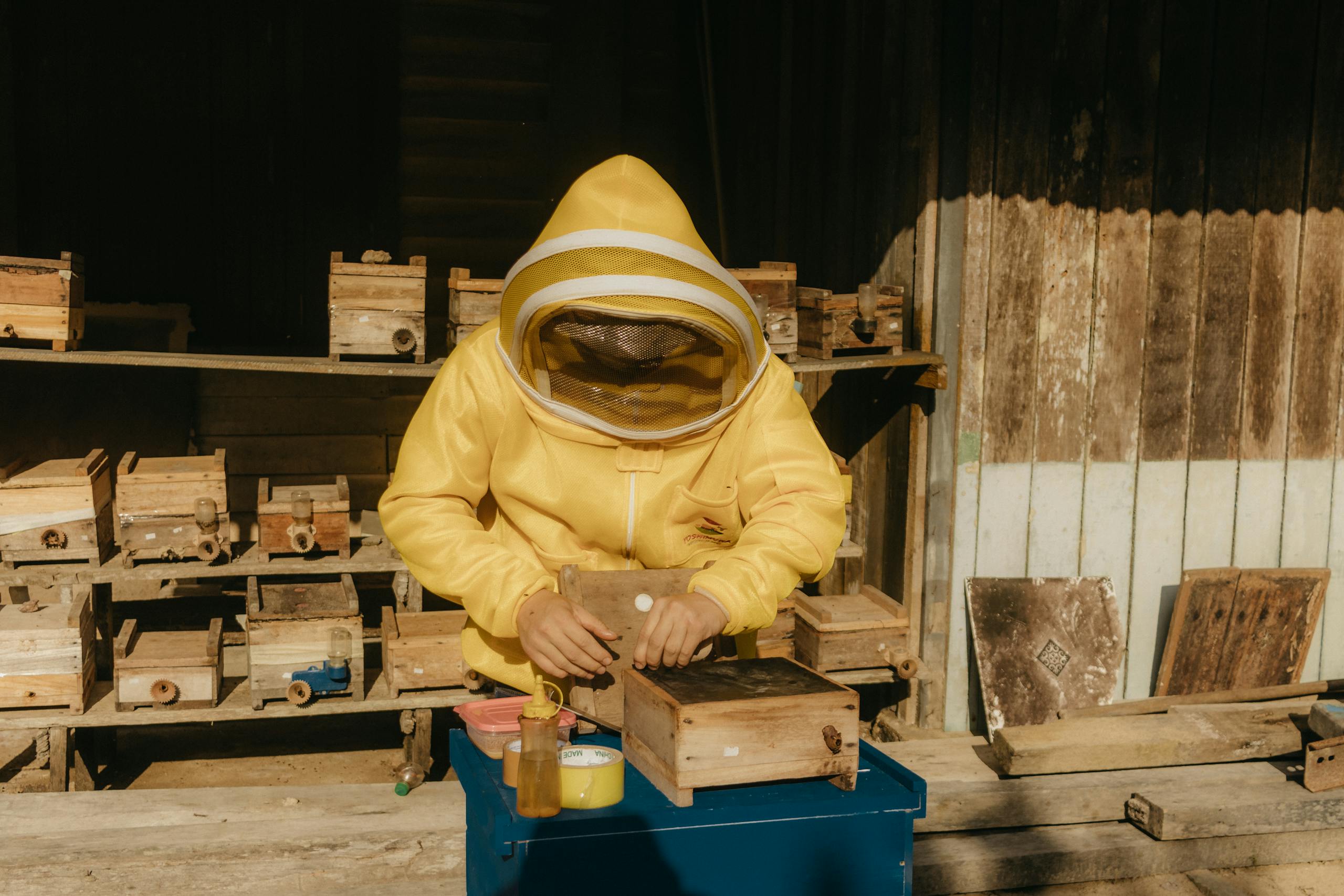
If you are new to beekeeping, you should inspect your hive every 7 to 10 days during the active season. This active season runs from spring through fall in most regions.
Why so often for beginners? The answer is simple: you are still learning. When you open the hive every week, you get to see how the colony changes over time. You learn what a healthy brood pattern looks like. You see how the bees store honey and pollen. You begin to recognize what “normal” activity looks like for your particular hive.
For beginner beekeepers, conducting inspections every seven to 10 days during the spring and summer seasons is a recommended target. This interval allows you to keep a close eye on your bees without disturbing them too much.
New colonies are also more vulnerable than established ones. Weekly checks help you spot problems like queenlessness or cross-combing before they become serious. Regular monitoring during spring and summer is the only way for a novice to accurately track colony development and seasonal changes.
How Often Should Experienced Beekeepers Check Their Hive?
As you gain experience, you will need to open your hives less often. Experienced beekeepers can often assess colony health without even lifting the cover. They watch the entrance activity. They notice how many bees are bringing in pollen. They observe the bees’ behavior and defensive reactions.
Veterans of the field can often assess the health of a hive without lifting the cover. By observing entrance activity, pollen intake, and defensive behavior, they can gauge the colony’s status. Consequently, experienced apiarists typically inspect hives seasonally or every few weeks, rather than adhering to a strict weekly regimen.
This does not mean experienced beekeepers ignore their hives. They still perform regular checks. But those checks are based on observation and need rather than a rigid calendar. They open the hive only when necessary to confirm specific suspicions or perform essential seasonal tasks.
Seasonal Inspection Schedule: A Month-by-Month Breakdown
The time of year makes a big difference in how often you should inspect your hive. Let me break it down by season.
Spring (March through May)
Spring is the busiest time for bees and beekeepers. The colony wakes up from winter and begins growing rapidly. The queen starts laying thousands of eggs. The population explodes.
In early spring, do a quick first inspection on a warm day when temperatures are above 60 degrees Fahrenheit. You want to confirm that the colony survived winter and the queen is alive and laying eggs.
Once spring is in full swing, your inspections should become more regular. Check your hive about every 7 to 10 days. During these checks, monitor their food supply. Also pay close attention to the available space. You may need to add a new hive body or honey super to prevent overcrowding, which can lead to swarming.
By May, swarm prevention becomes your main job. Look for queen cells during your regular inspections. These look like peanut shells hanging from the bottom of frames. If you find them, take steps to prevent the swarm, such as splitting the hive or providing more space.
Summer (June through August)
Summer is the peak honey production season. The colony is at its largest and the bees are working hard.
Continue your weekly inspections to monitor hive health and honey stores. Be especially watchful for pests like varroa mites. Their populations can grow rapidly during warm weather.
As summer heat intensifies, ensure your bees have a reliable water source nearby. Focus on hive health and checking the progress of honey stores. Keep an eye out for any signs of stress or disease.
Late summer is often honey harvest time. Only take surplus honey. Leave plenty for the bees to survive the coming winter.
Fall (September through November)
As temperatures cool, your inspection frequency can decrease. Check your hive every 2 to 3 weeks during fall.
Your main goal during fall is to prepare the colony for winter. Make sure they have enough honey stores. Check for signs of disease or pest problems. Reduce the hive entrance to prevent robbing by other bees or wasps.
Do not wait until it is cold to do your final winter preparation check. Get it done while temperatures are still mild.
Winter (December through February)
Winter requires minimal hive inspections. In fact, you should avoid opening the hive at all if possible. Opening a hive in cold weather can chill the brood and kill bees.
You can reduce the frequency of inspections to once a month or so in the winter months because bees are less active during this time and require less management.
Instead of opening the hive, do external checks. Gently lift the back of the hive to feel its weight. A heavy hive means they have plenty of honey. A light hive means you may need to provide emergency feeding. Watch the entrance for any signs of life on warmer days. Clear away dead bees that may block the entrance.
Factors That Affect Inspection Frequency
Several things can change how often you should check your bees. Pay attention to these factors and adjust your schedule accordingly.
Newly Installed Packages or Nucs
When you first install a package of bees or a nucleus colony (nuc), give them about a week to settle in before your first inspection. After that, follow the beginner schedule of every 7 to 10 days.
Swarm Season
During swarm season, which typically runs from mid-spring to early summer, you may need to inspect more frequently. Some experienced beekeepers check their hives every 5 to 7 days during peak swarm season. This helps them catch queen cells before the bees swarm and leave.
Nectar Flow Periods
When the main nectar flow begins, you need to watch your hive closely. The bees will bring in large amounts of nectar. You must ensure they have enough space to store it. If they run out of room, they may become honey-bound and stop producing. This can also trigger swarming.
Supplemental Feeding
If you are feeding your bees sugar syrup or pollen patties, check more often to replenish supplies. A strong colony can empty a feeder in just a few days.
Signs of Trouble
Your regular schedule should be set aside if you notice signs of trouble. This includes:
- An unusual number of dead bees at the entrance
- Bees acting aggressive or disoriented
- A sudden drop in activity at the entrance
- Signs of robbing by other bees or wasps
- Evidence of predators like skunks or mice
In these cases, inspect immediately to identify and address the problem.
What to Look for During an Inspection
Knowing what to look for makes your inspections more effective. Here are the key things to check every time you open your hive.
Queen Presence and Performance
You do not always need to see the queen herself. Look for evidence that she is present and laying. Check for eggs in the cells. Fresh eggs look like tiny grains of rice standing upright. A solid brood pattern with eggs means your queen is doing her job.
If you see no eggs or very spotty brood patterns, you may have a queen problem. This requires immediate attention.
Brood Pattern and Health
A healthy brood pattern looks solid and even. The capped brood cells should be grouped together in a compact area. Spotty patterns with many empty cells can indicate disease or a failing queen.
Food Stores
Check that your bees have enough honey and pollen. In the brood box, you should see a band of pollen around the brood area. Above that, you should see stored honey. If stores look low, especially in spring or fall, consider supplemental feeding.
Space Management
Make sure your bees have enough room. If the brood box is full of bees and brood, add another box. If honey supers are filling up, add more supers. Crowded bees are more likely to swarm.
Pests and Diseases
Look for signs of common pests. Varroa mites are too small to see easily, but you can look for deformed wings on bees or perform a mite test. Wax moths leave webs and tunnels in the comb. Small hive beetles are small black bugs that scurry away when you open the hive.
Check for disease symptoms like foulbrood (sunken, perforated cappings) or chalkbrood (white, chalky mummies in cells). Early detection is critical for managing these problems.
Unusual Behavior
Pay attention to how the bees behave. Are they calm or unusually aggressive? Do you hear a steady hum or an agitated roar? Calm bees are happy bees. Angry bees may indicate a problem like queenlessness, disease, or pest pressure.
Common Mistakes to Avoid
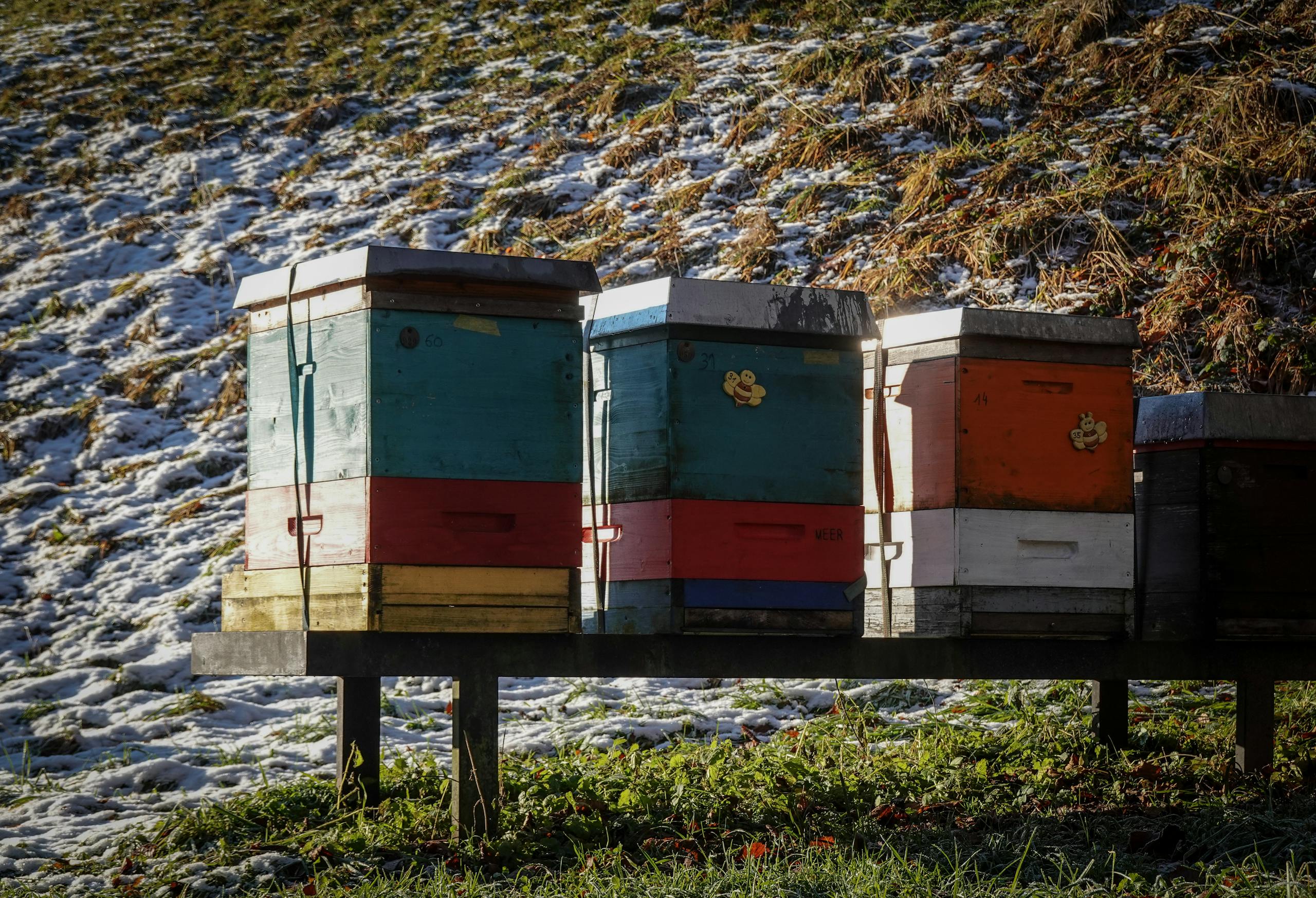
Many new beekeepers make the same mistakes when it comes to inspections. Here are the most important ones to avoid.
Inspecting Too Often
Opening the hive every day or even every few days causes too much stress. Hive inspections stress out honey bees and disrupt their productivity. That is why you should only take apart your hive once every seven to ten days.
Remember, each inspection sets the colony back. Give them time to recover between checks.
Inspecting Too Little
On the other hand, ignoring your hive for months is just as bad. Without regular checks, you might miss a queen failure, disease outbreak, or pest infestation. These problems can destroy a colony quickly.
Inspecting in Bad Weather
Never open your hive when it is cold, rainy, or windy. Cold weather can chill and kill brood. Rainy weather makes bees defensive and unhappy. Aim for warm, sunny days with temperatures above 60 degrees Fahrenheit.
Late morning or early afternoon is usually best because many forager bees are out working. This means fewer bees to deal with during your inspection.
Not Having a Plan
Before you open the hive, know exactly what you want to check. Having a clear plan helps you work quickly and efficiently. The less time the hive is open, the better for your bees.
Prepare your tools in advance. You will need a smoker, hive tool, and protective gear. Have everything ready before you approach the hive.
Forgetting to Keep Records
Always write down what you see during inspections. Record the date, what you observed, and any actions you took. Good records help you track colony progress over time. They also help you spot patterns and remember what each hive needs.
How Weather and Climate Affect Your Schedule
Your local climate plays a big role in determining inspection frequency. Beekeepers in warm regions like Florida or Southern California may have a longer active season. They can inspect more frequently over a longer period.
Beekeepers in cold regions like Minnesota or Canada have a shorter active season. They must pack more inspections into fewer months. They also need to be extra careful about winter preparation.
Even within a single season, weather affects when you can inspect. Never open a hive if rain is coming. Never inspect on cold, windy days. Wait for the right conditions. A delayed inspection is better than a harmful one.
Final Thoughts: Finding Your Rhythm
Checking your beehive is not just about following a strict calendar. It is about learning to read your bees and responding to their needs. The guidelines in this article provide a solid starting point. But as you gain experience, you will develop your own rhythm.
For new beekeepers, stick to the 7 to 10 day schedule during spring and summer. This frequency builds your knowledge and protects your colony. As you gain confidence, you can gradually reduce internal inspections and rely more on external observation.
For experienced beekeepers, trust your instincts. Watch the entrance. Listen to the hum. Notice the pollen coming in. Open the hive when you need to confirm something or perform seasonal tasks.
Remember that every inspection has a cost. But so does neglect. Find the balance that works for you and your bees.
At Zendric, we believe that successful beekeeping comes from combining knowledge with careful observation. Our mission is to help Nigerian farmers and beekeepers build thriving, sustainable businesses. If you are just starting your beekeeping journey, check out our guide on how to start beekeeping for beginners at home. If you already have hives, learn how to protect beehives from pests and ants to keep your colonies safe.
Beekeeping is a journey of learning. The more you watch your bees, the better you will understand them. And the better you understand them, the more successful you will be.
Author: Peter Uzodimma
Founder & Lead Agricultural Consultant at Zendric
With over a decade of hands-on experience in the Nigerian agricultural sector, Peter Uzodimma has helped thousands of farmers transform minimal capital into thriving agribusinesses. He combines traditional farming wisdom with modern, data-driven tools to provide clear, actionable guidance for beekeepers and livestock farmers across Africa.
References and Further Reading:
- Dadant: Seasonal Checklists: What To Do Every Month in Your Apiary
- Dadant: Beehive Inspection: A Vital Practice for Healthy Beekeeping
- PerfectBee: How Often Should I Inspect My Beehives?
- Mann Lake: Practical Tips for Inspecting a Beehive
- HonestBee: Recommended Frequency for Beehive Inspections
- Zendric: How to Start Beekeeping for Beginners at Home
- Zendric: How to Protect Beehives from Pests and Ants