
If you have been thinking about starting a beekeeping business and want to know how much money you can actually make, you are in the right place.
This guide will show you the real numbers. Not guesses. Not hype. Just clear facts that will help you decide if beekeeping is worth your time and money.
At Zendric, we help beginners build profitable farms from scratch. We cover beekeeping and snail farming guides built for the Nigerian climate, but the income principles in this article apply across the world.
Let’s get into it.
What Is the Average Profit From Beekeeping Per Year?
The short answer is: it depends on how big your operation is.
Here is a simple breakdown:
Hobbyist beekeepers (1 to 5 hives): $500 to $5,000 per year
Small-scale beekeepers (5 to 50 hives): $1,000 to $10,000 per year
Medium-scale beekeepers (50 to 200 hives): $20,000 to $70,000 per year
Large commercial beekeepers (200+ hives): $50,000 to $250,000 per year
These numbers come from real data. According to Blythewood Bee Company, <small-scale beekeepers operating fewer than 50 hives can expect annual earnings ranging from $1,000 to $10,000, while larger operations managing hundreds or thousands of hives can generate much more.
If you want a full-time income, most experienced beekeepers agree that you need at least 200 hives. But you can start small and grow.
How Much Profit Does One Beehive Make Per Year?
This is one of the most common questions beginners ask.
One healthy hive can earn you between $200 and $500 per year in profit after costs.
Here is a simple example per hive:
- Income from honey, beeswax, and other products: About $300
- Expenses (maintenance, feeding, equipment): About $150
- Net profit per hive: Around $150 to $200
According to Blythewood Bee Company’s earnings guide, average income per hive typically ranges from $200 to $500 annually. Experienced beekeepers with good hive management tend to earn closer to the higher end.
So, if you have 10 hives, you could reasonably earn $1,500 to $5,000 per year in profit.
If you have 100 hives managed well, that number jumps to $15,000 to $50,000 per year.
Where Does the Money Come From in Beekeeping?
Many beginners think beekeeping is only about selling honey. That is wrong.
Beekeeping has multiple income streams. The more of them you tap into, the more profit you make.
1. Honey Sales
Honey is the main product most beekeepers sell. A single healthy hive produces between 40 and 60 pounds of honey per year.
The price of honey varies:
- Wholesale: Around $3 per pound
- Retail/direct to consumer: $8 to $20 per pound
- Specialty or organic honey: Even higher
If you sell directly to buyers instead of through a middleman, your profit goes up a lot. At $10 per pound, a hive producing 50 pounds of honey earns you $500 in honey revenue alone.
According to Mann Lake Bee & Ag Supply, a healthy colony produces about 50 pounds of honey annually, and selling direct to consumers can earn far more than wholesale prices.
2. Beeswax Products
Beeswax is a byproduct that many beekeepers throw away. But it is valuable.
You can sell raw beeswax for $8 to $20 per pound. Or you can turn it into candles, lip balm, skin creams, and furniture polish, where the profit margin jumps to 30% to 50% or higher.
For every 100 pounds of honey a hive produces, it also yields about 1 to 2 pounds of beeswax. That adds extra money without much extra work.
3. Pollination Services
This is where serious money lives for large-scale beekeepers.
Farmers pay beekeepers to bring their hives close to crops. The bees pollinate the flowers, and the farmer gets better yields.
According to Mann Lake Bee & Ag Supply, almond pollination contracts have averaged about $185 to $225 per hive per season in the United States. A beekeeper with 100 hives could earn around $20,000 from a few weeks of pollination work alone.
Other crops like blueberries, apples, and melons also pay for pollination, though usually less than almonds.
Pollination services have become the number-one revenue source for many commercial beekeepers in the US.
4. Selling Bees and Queen Bees
You can also make money by selling bee colonies to new beekeepers.
Here are typical prices:
- A package of bees (3 pounds + queen): Around $175
- A nucleus colony (5 frames, called a “nuc”): Up to $250
- An established beehive: $250 to $350
If you can produce surplus colonies, this is a great extra income stream.
5. Royal Jelly, Pollen, and Propolis
These are specialty products that command high prices.
- Royal jelly: Can sell for $6 or more per ounce, and some sources report prices exceeding $50 per ounce for high-quality batches
- Pollen: $5 to $10 per pound
- Propolis: $15 to $30 per small bottle as a tincture
These products are small in quantity but big in value. They are used as health supplements and natural remedies.
What Are the Costs of Beekeeping?
Before you calculate profit, you need to know your costs.
Startup Costs
Starting a small beekeeping operation costs between $2,000 and $5,000 for beginners with 2 to 5 hives. A single hive setup, including the hive and bees, costs roughly $300 to $700.
For a small commercial setup of 10 to 20 hives, expect to spend $8,000 to $15,000 upfront. According to startup cost data from financial model analysis sources, about 60% to 70% of your startup budget goes into buying the hives and bee colonies.
Here is a rough breakdown of what startup costs cover:
- Beehives (boxes, frames, foundation): $150 to $600 per hive
- Protective gear (suit, gloves, veil): $80 to $200
- Smoker and hive tools: $50 to $100
- Honey extractor: $300 or more (can be shared through a bee club)
- Bees (package or nuc): $130 to $250 per colony
Annual Running Costs
After the first year, your yearly running costs drop significantly. Each hive costs about $150 to $400 per year to maintain. This covers:
- Feeding the bees during low nectar seasons
- Varroa mite treatments and medications
- Replacing worn equipment
- Bottles and packaging for honey
As Carolina Honeybees points out, healthy bees in a region with good nectar sources can earn a profit of $300 to $500 per hive each year, but you must be prepared to spend money too, especially in the early years.
How Long Before Beekeeping Becomes Profitable?
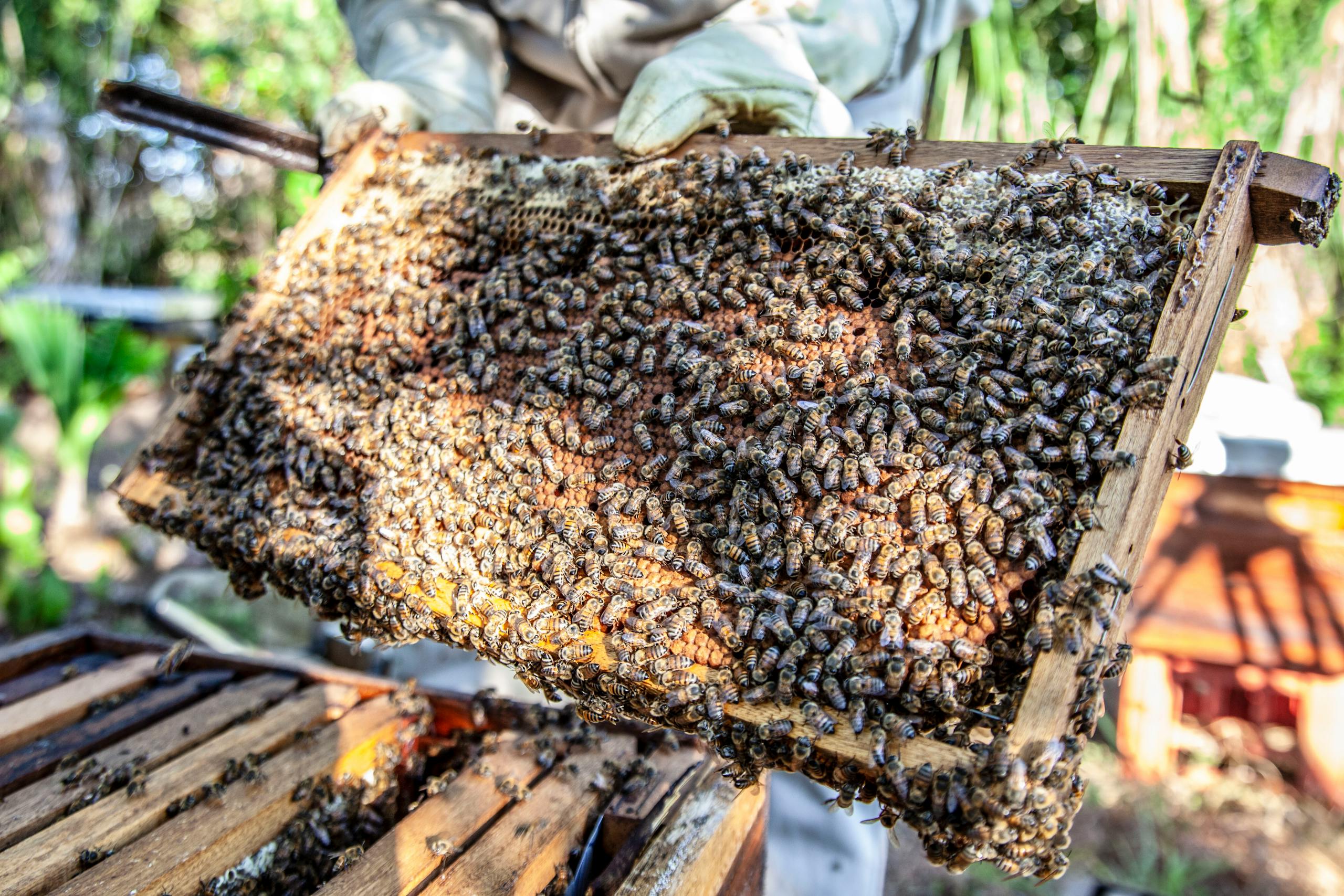
Most beekeepers do not make a full-time income in their first year.
Here is a realistic timeline:
Year 1: You are mostly learning and recovering your startup costs. Expect little to no profit.
Year 2: Your colonies grow stronger. You start harvesting decent amounts of honey and can begin selling. Some small profit is possible.
Year 3: Your colonies are established. You understand your local market. Profit becomes consistent.
Year 3 and beyond: If you manage 100 hives well, data from experienced beekeepers suggests you could net around $832 per hive annually, meaning 40 hives could earn you the equivalent of a $30,000 salary.
Beekeeping is not a get-rich-quick business. But it builds steady income over time for people who are patient and willing to learn.
Full-Time Beekeeping Income: What Is Realistic?
If you want to make beekeeping your main job, here is what the numbers say.
According to ZipRecruiter salary data, the average annual pay for beekeeping in the United States is about $50,508. Entry-level beekeeping jobs start around $30,000, while experienced professionals can earn $70,000 or more per year.
If you run your own beekeeping business rather than working for someone else, your income depends entirely on your number of hives and what you sell.
Most working beekeepers I have spoken to agree: you need at least 200 hives to earn a full living from beekeeping alone. That is not impossible, but it takes years to build up to.
A smart way to start is to keep your regular income and grow your hives on the side. Then, when your operation is large enough, you can transition to full-time beekeeping.
What Factors Affect How Much Profit You Make?
Not every beekeeper earns the same amount. Here are the main things that affect your profit.
Location
Where you keep your bees matters a lot. Bees need nectar sources. If you are near forests, orchards, or wildflower fields, your hives will produce more honey. Urban areas can also be surprisingly productive.
Regions with high demand for local honey and active farming communities that need pollination services tend to offer better income for beekeepers.
Number of Hives
More hives mean more income. But more hives also mean more work and more money spent on maintenance. The key is to find the number of hives you can manage well without losing colony health.
Hive Health
Sick bees produce less honey. Varroa mites are the biggest threat to hive health globally. According to experienced sources, it is not a good idea to skip mite treatments, because the cost of losing a colony far exceeds the cost of treatment.
Healthy, well-managed colonies consistently outperform neglected ones in both honey production and survival rates.
What You Sell and How You Sell It
Selling honey wholesale gives you the lowest price per pound. Selling it directly at a farmer’s market or online gives you 2 to 4 times more money per pound.
Beekeepers who diversify into beeswax products, pollination services, and selling colonies earn far more than those who only sell raw honey.
Your Skills and Experience
Experienced beekeepers lose fewer colonies, manage their hives more efficiently, and know how to find good markets. According to Carolina Honeybees, if you want to make a living from beekeeping, working for a larger beekeeper first is a smart way to gain the skills you need faster.
Is Beekeeping a Good Business in Nigeria?
Yes, and the opportunity is growing.
Nigeria has a warm climate with rich flora that supports healthy bee colonies year-round. Demand for natural honey in Nigerian markets, both local and export, continues to rise.
At Zendric, we focus heavily on helping Nigerian farmers start profitable beekeeping operations with low capital. You can start with as few as 2 hives and scale as you earn.
The Food and Agriculture Organization (FAO) recognizes that sustainable small-scale livestock farming, including beekeeping, is one of the most effective ways to boost rural income and food security in Africa.
With the right knowledge, low startup costs, and access to local markets, beekeeping in Nigeria can be a very rewarding business.
Quick Profit Estimates by Scale
Here is a simple table to help you plan:
| Scale | Number of Hives | Estimated Annual Profit |
|---|---|---|
| Hobby | 1 to 5 | $500 to $3,000 |
| Small | 10 to 50 | $3,000 to $20,000 |
| Medium | 50 to 200 | $20,000 to $70,000 |
| Large/Commercial | 200+ | $70,000 to $250,000+ |
These are estimates. Your actual profit depends on your location, what you sell, and how well you manage your hives.
Tips to Increase Your Beekeeping Profit
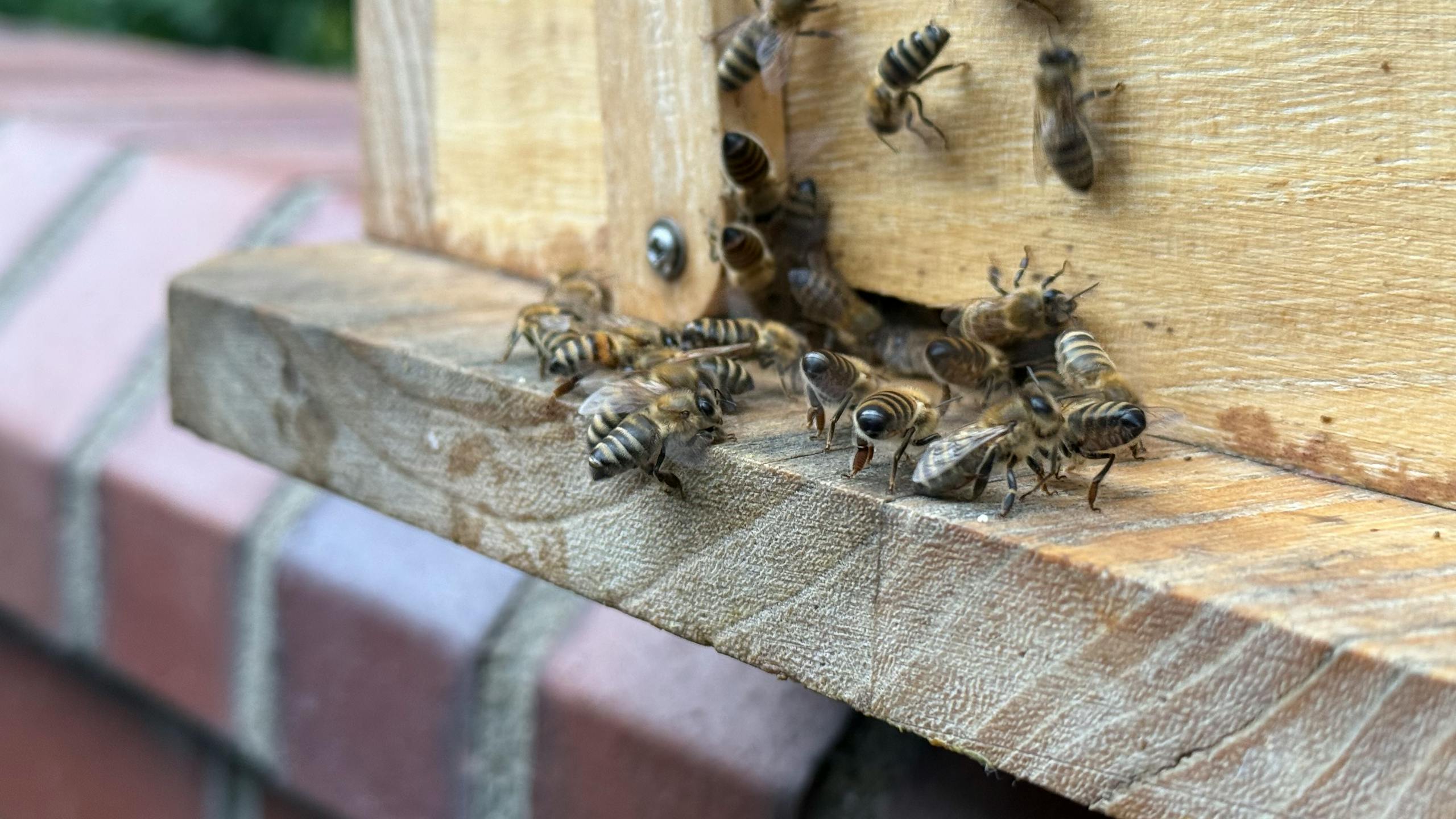
Here are practical things you can do to earn more from your bees:
Sell direct, not wholesale. Cutting out middlemen is the fastest way to increase your income per pound of honey.
Make value-added products. Beeswax candles, lip balm, and creamed honey can earn 2 to 5 times more than raw honey per unit.
Offer pollination services. If there are farms or orchards near you, contact them. Pollination contracts can add hundreds of dollars per hive per season.
Join a local beekeeping association. You get access to shared equipment, knowledge, and markets. This reduces costs and increases your network.
Scale slowly. Growing too fast leads to poor hive management, colony losses, and lower profits. Build up the number of hives as your skills improve.
Keep good records. Tracking your honey yield, costs, and sales helps you see which hives are performing well and where your money is going.
Common Mistakes That Reduce Beekeeping Profit
Knowing what not to do is just as important as knowing what to do.
Skipping Varroa mite treatments. This is the number one cause of colony loss worldwide. Losing a colony costs far more than a mite treatment.
Only selling honey wholesale. Wholesale prices are often too low to make a good profit, especially for small operations.
Starting with too many hives too fast. Beginners who start with 20 or more hives before learning proper hive management often suffer large losses in the first year.
Not having a sales plan. Producing honey without knowing who you will sell it to is a big mistake. Research your local market before you invest.
Ignoring weather and seasonal changes. Beekeeping is farming. Bad seasons happen. Always set aside a reserve fund to cover expenses during low-production periods.
Final Thoughts: Is Beekeeping Profitable?
Yes, beekeeping can be very profitable. But like any farming business, it takes time, learning, and proper planning.
To summarize:
- One hive can earn you $200 to $500 per year in profit
- Small operations with 10 to 50 hives can earn $3,000 to $20,000 per year
- Large commercial operations can earn $70,000 to $250,000 or more
- The key to higher profit is diversifying what you sell and selling direct to buyers
- Beekeeping becomes more profitable as your skills and number of hives grow
The most important step is to start with the right knowledge.
At Zendric, we publish free, beginner-friendly guides on beekeeping built for farmers in Nigeria and beyond. Whether you want to start with 2 hives or 200, we will help you build a farm that earns real money.
About the Author
Peter Uzodimma is the Founder and Lead Agricultural Consultant at Zendric. With over a decade of hands-on experience in the Nigerian agricultural sector, Peter has helped thousands of beginners build profitable snail and beekeeping farms. His guides are known for being practical, honest, and easy to follow.
References used in this article: