
So you want to start beekeeping at home.
Good choice.
Beekeeping is one of the most rewarding things you can do right in your backyard. It gives you fresh honey, helps your garden grow better, and can even bring in steady income over time.
But if you have never kept bees before, it can feel confusing. Where do you start? What do you need? How do you avoid getting stung?
This guide answers all of that.
I am Peter Uzodimma, founder of Zendric, a platform dedicated to helping Nigerian farmers build profitable livestock businesses with simple, tested methods. Over the years, I have trained hundreds of beginners who had zero experience and went on to run successful beekeeping operations.
This guide will walk you through everything, step by step, in plain language that anyone can follow.
What Is Beekeeping and Why Should You Start?
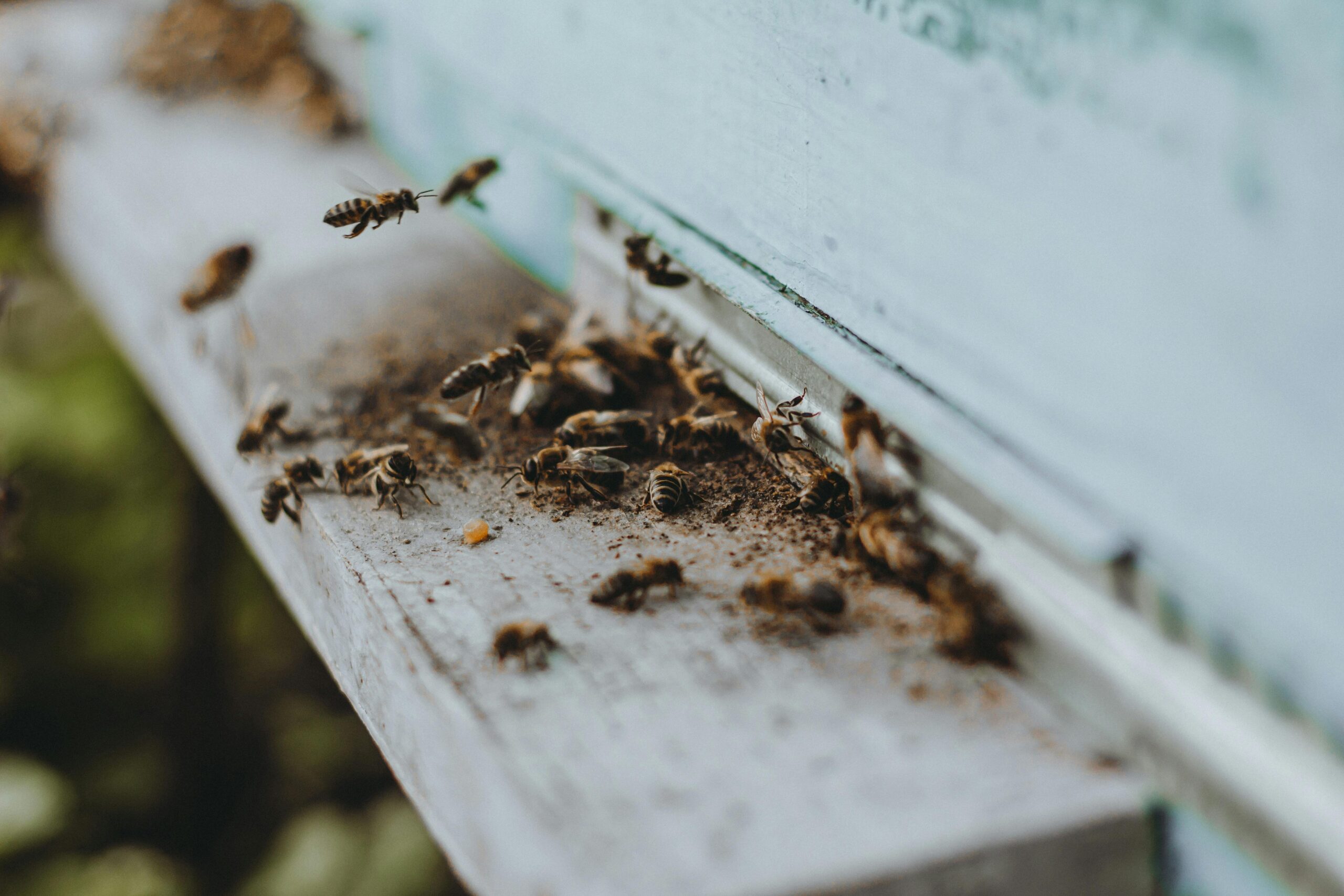
Beekeeping, also called apiculture, is the practice of keeping honey bees in man-made hives so you can collect honey, beeswax, and other bee products.
But beekeeping is about more than just honey.
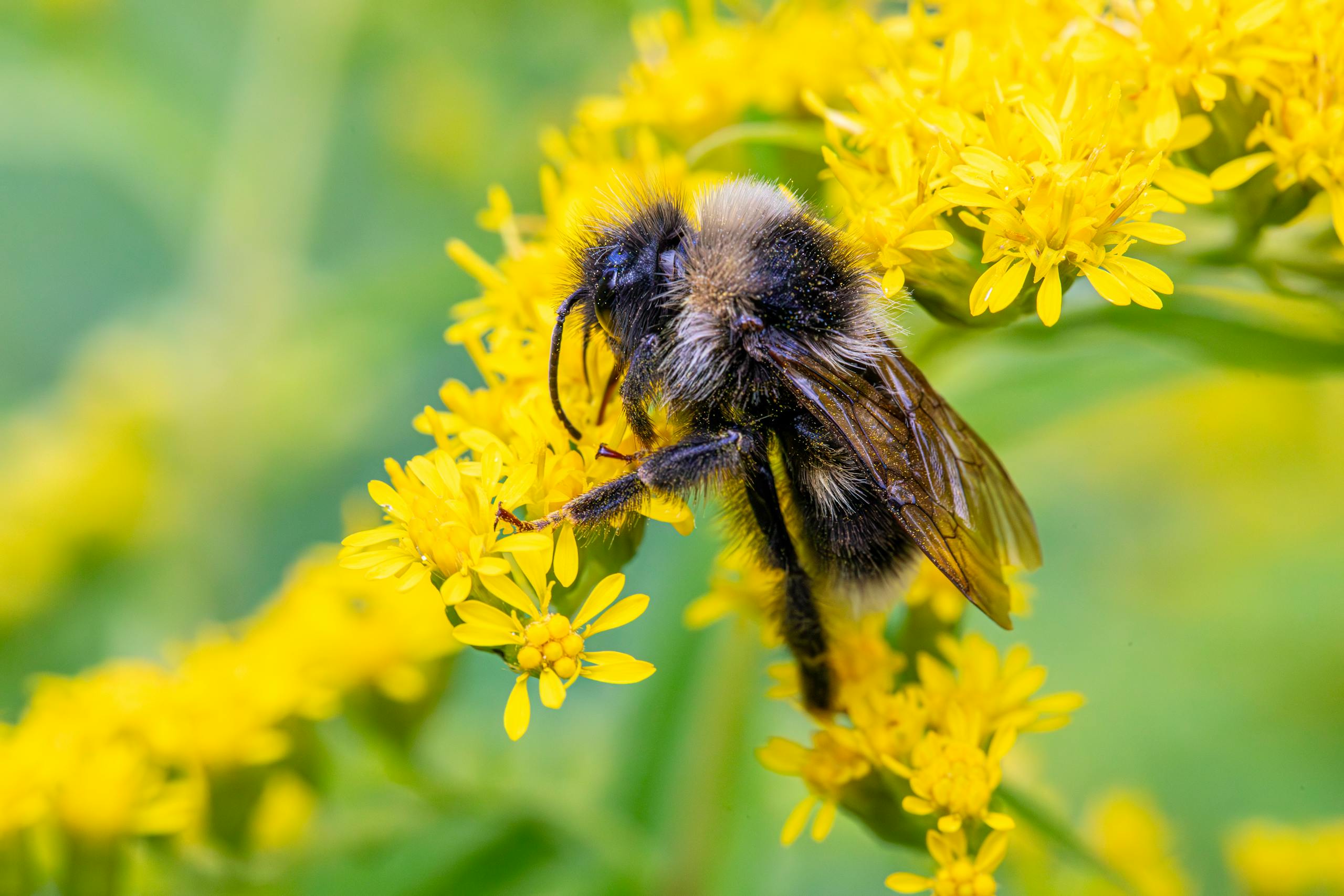
Bees are pollinators. They help flowers and crops produce fruit. If you have a garden or a small farm, bees will improve your yield significantly. This makes beekeeping a smart addition to any home farming setup.
According to the Food and Agriculture Organization (FAO), bees are responsible for pollinating about 75% of the world’s flowering plants, including many fruits, vegetables, and nuts that humans eat every day. That fact alone tells you how important bees are.
Here is what you stand to gain as a beginner beekeeper:
- Fresh raw honey from your own backyard
- Beeswax you can sell or use to make candles and skin care products
- Better yields from your vegetable and fruit garden
- A new skill that can grow into a full business
You do not need a large piece of land. You do not need a lot of money to start. You just need the right information, the right tools, and a little patience.
Is Beekeeping Legal in Your Area?
Before you buy a single piece of equipment, check whether beekeeping is allowed in your local area.
Some cities and states have specific rules about keeping bees at home. Some require you to register your hives. Others restrict where you can place them on your property.
In Nigeria, beekeeping is generally encouraged and has no federal restrictions for small-scale home beekeeping. However, it is wise to notify your local agricultural development program (ADP) office. They can guide you on local rules and may even offer support.
If you are in another country, check with your local government or beekeeping association. The American Beekeeping Federation and the British Beekeepers Association both have resources to help beginners understand local regulations.
Getting this step right from the beginning will save you a lot of trouble later.
Choosing the Right Location for Your Hive
Where you place your hive matters a great deal.
Bees need a stable, comfortable environment to thrive. If you place the hive in the wrong spot, the bees will be stressed, and that can reduce honey production and increase aggression.
Here are the key things to look for in a good hive location:
Morning sunlight. Bees wake up and start working early. A spot that gets sunlight in the morning helps them warm up faster and get to work sooner.
Shade in the afternoon. In hot climates like Nigeria, afternoon sun can make the hive too hot. Look for a spot with natural shade from a tree or wall in the afternoon hours.
Good airflow but no strong wind. Bees need fresh air, but strong winds can knock over hives and chill the colony. A location sheltered from heavy wind is ideal.
Water source nearby. Bees need water every day. Place a small container of water near the hive, or make sure there is a stream or clean water source within a short flying distance.
Away from foot traffic. Bees do not like disturbance. Place the hive where people and animals do not pass through regularly. A corner of your backyard works well.
Entrance facing away from walkways. The entrance of the hive should not face a path where people walk. Bees tend to fly straight out of the entrance, and you do not want them flying into people’s faces.
A good location makes the difference between a calm, productive colony and one that is always stressed.
Understanding Bee Colonies: What You Need to Know
A bee colony is not just a bunch of bees. It is a highly organized group with specific roles.
Every healthy colony has three types of bees:
The Queen. There is only one queen in each hive. Her job is to lay eggs, up to 2,000 per day in peak season. The health of the entire colony depends on a strong, healthy queen.
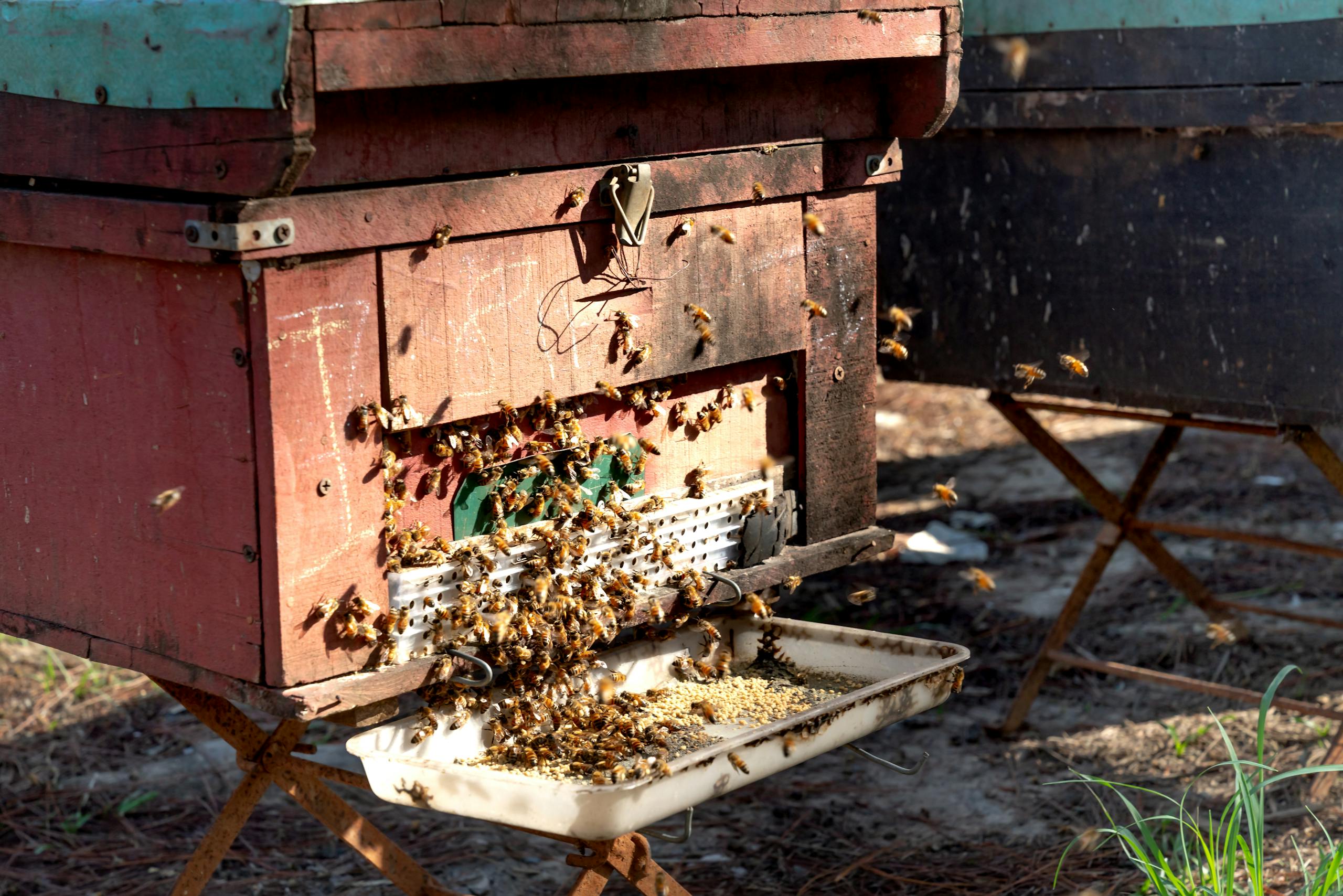
Worker Bees. These are all female bees. They do almost everything: collect nectar and pollen, make honey, guard the hive, feed the larvae, and regulate the temperature inside. A strong colony can have 50,000 to 80,000 worker bees.
Drones. These are male bees. Their only job is to mate with a queen. They do not sting and do not gather food. When mating season ends, worker bees push drones out of the hive.
Understanding this structure helps you know what to look for when you inspect your hive. A good colony has a laying queen, plenty of worker bees, and capped brood (developing young bees) in the combs.
What Equipment Do You Need to Start?
You do not need many tools to start beekeeping. But you do need the right ones.
Here is a list of the basic equipment every beginner needs:
1. The Hive
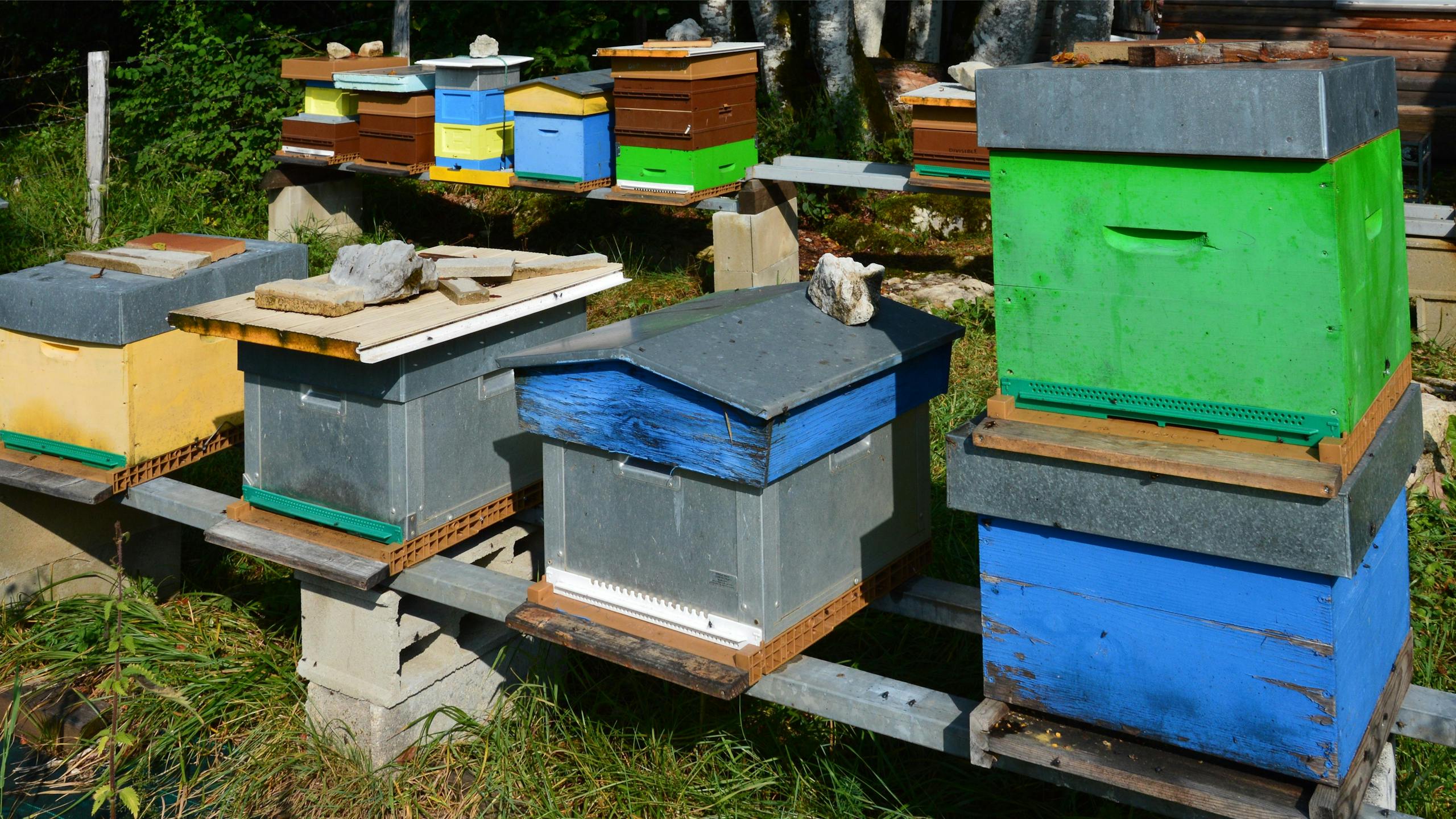
The hive is the structure where your bees live. There are several types, but two are most popular for beginners:
Langstroth Hive. This is the most widely used hive in the world. It is made up of stacked boxes with removable frames inside. It is easy to inspect and expand as the colony grows. The Honey Bee Suite has a detailed comparison of hive types if you want to learn more.
Top Bar Hive. This is a long, horizontal hive with bars across the top from which bees build their comb downward. It is simple, cheap to build, and very popular in Africa because it can be made with local materials.
For beginners in Nigeria and other parts of Africa, the top bar hive is often the easiest and most affordable starting point.
2. Protective Gear
You will need:
- A beekeeper’s veil or full suit. This protects your face and body from stings. A full suit with gloves is best for beginners.
- Gloves. Thick leather gloves protect your hands. Some experienced beekeepers work without gloves for better sensitivity, but as a beginner, wear them.
- Boots. Bees can crawl into open shoes. Wear closed boots or tuck your pants into your socks.
Do not skip protective gear when you are starting out. Bee stings can cause serious allergic reactions in some people. Always protect yourself.
3. A Smoker
A smoker is a small metal device that produces cool smoke. You puff smoke into the hive before inspecting it.
Smoke works because it triggers a feeding response in bees. They think there may be a fire nearby and start eating honey, which makes them calmer and less likely to sting.
Learning to use a smoker properly is one of the most important skills in beekeeping.
4. A Hive Tool
This is a small metal tool, similar to a flat screwdriver. Bees seal everything in the hive with propolis, a sticky substance they make from tree resin. A hive tool helps you pry apart frames and boxes without damaging them.
5. A Bee Brush
This is a soft brush you use to gently move bees off frames during inspection. It is gentle and does not harm the bees.
6. A Honey Extractor (Optional for Beginners)
If you plan to harvest a lot of honey, a honey extractor is helpful. It spins the frames so honey flows out without damaging the comb.
For your first season, you may not need one. You can press the comb by hand to extract honey in small quantities.
How to Get Your First Bees
You have your hive set up and your gear ready. Now you need bees.
There are three main ways to get your first colony:
Buy a Nucleus Colony (Nuc)
A nucleus colony, or “nuc,” is a small established colony that comes with a mated queen, worker bees, brood, and a few frames of honey and pollen. It is the easiest way for a beginner to start because the colony is already organized and functioning.
You can buy nucs from local beekeepers or beekeeping supply stores.
Buy a Package of Bees
A package is a screened box containing about 3 pounds of bees and a caged queen. You install them into your prepared hive. It takes a few weeks for the colony to settle and start growing.
Packages are cheaper than nucs, but they take longer to establish because there is no existing brood.
Catch a Swarm
When a colony gets too big, the queen leaves with about half the workers to find a new home. This is called a swarm. You can collect a swarm and install it in your hive for free.
This is not recommended for complete beginners because it requires some experience to handle safely. But it is a great option once you have a season or two under your belt.
For choosing the right bee species, the most commonly recommended for beginners is the Italian honey bee (Apis mellifera ligustica). They are gentle, productive, and easy to manage. You can read more about bee species selection on the University of Florida IFAS Extension website.
How to Install Your Bees in the Hive
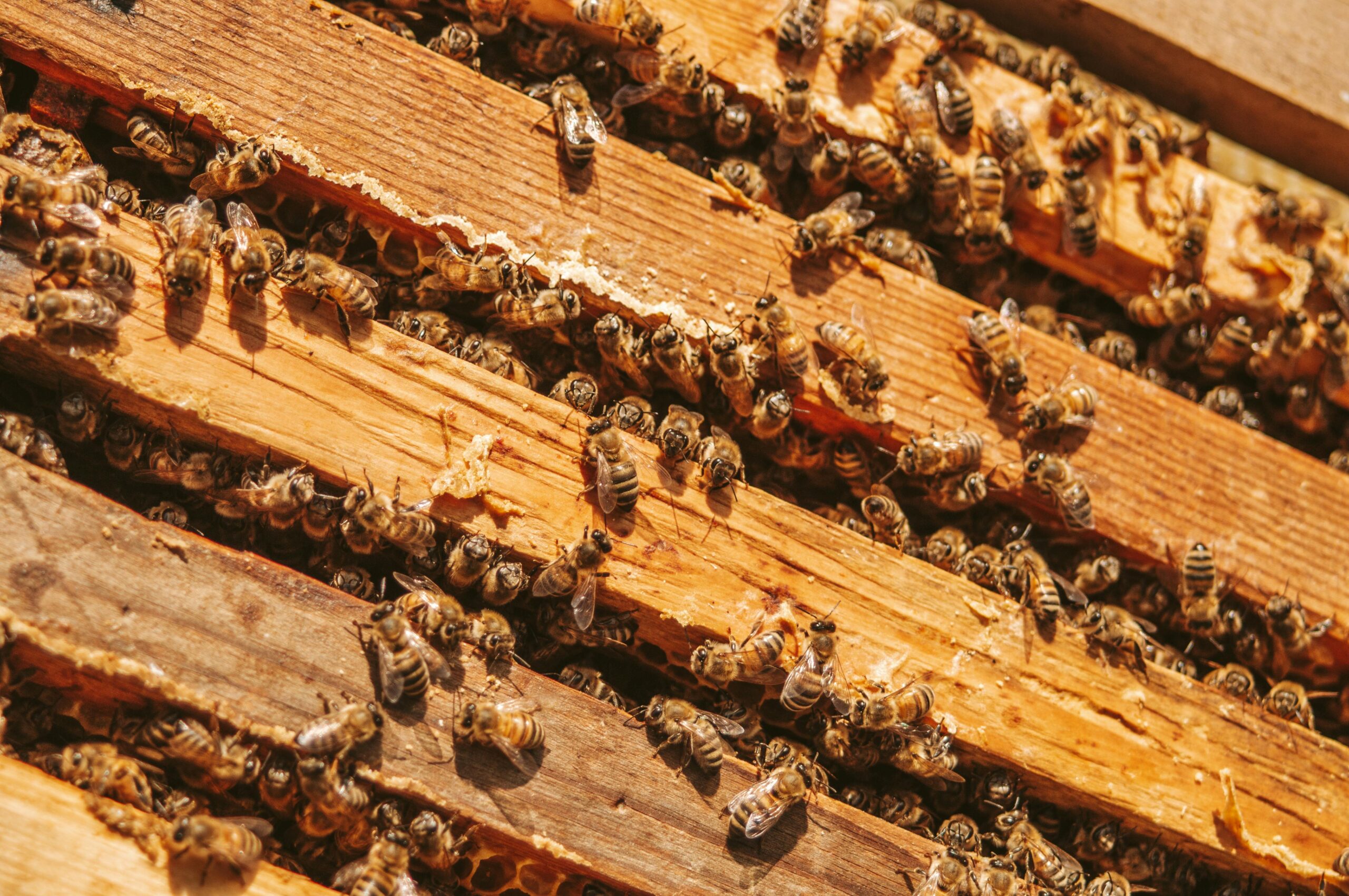
Once you have your bees, here is how to put them in the hive:
- Put on your full protective gear before you start.
- Light your smoker and have it ready.
- If you have a nuc, gently transfer the frames into your hive in the same order they came. Add empty frames to fill the rest of the space.
- If you have a package, open the package, remove the queen cage, and suspend it between two frames. Remove the cork from the candy end of the queen cage. The workers will eat through the candy and release the queen slowly, giving them time to accept her.
- Gently shake the rest of the bees from the package into the hive.
- Close the hive and leave it alone for at least 5 days.
Do not keep opening the hive in the first week. The bees need time to settle, and frequent disturbance can cause the queen to be rejected.
How to Inspect Your Hive
After the first week, you can begin regular inspections. For beginners, once a week is a good schedule.
Here is what to do during an inspection:
- Choose a warm, sunny day. Bees are calmer in good weather because most foragers are out of the hive.
- Light your smoker and puff a few gentle puffs into the hive entrance.
- Wait 30 seconds, then open the hive and puff a little more smoke across the top frames.
- Gently remove one frame at a time using your hive tool.
- Look for the queen, or look for evidence that she is laying eggs. Fresh eggs look like tiny white grains of rice standing upright in the bottom of cells.
- Check that the brood pattern is solid, meaning most cells have larvae or capped brood with very few empty gaps.
- Look for signs of disease or pests (more on this below).
- Check that the bees have enough food (honey and pollen stored in cells).
- Replace the frames in the same order and close the hive gently.
Keep a notebook and write down what you see after every inspection. Over time, your notes will help you spot problems early and track the growth of your colony.
Common Beekeeping Problems and How to Handle Them
Every beekeeper, including experienced ones, faces problems. Knowing what to watch for will help you act early.
Varroa Mites
Varroa mites are tiny parasites that attach to bees and feed on their bodies. They are one of the biggest threats to bee colonies worldwide.
Signs of varroa include deformed wings on bees, a declining population, and a patchy brood pattern.
You can monitor varroa by doing a sugar roll or alcohol wash test to count mites. The Honey Bee Health Coalition has a free tools for varroa management guide that is very helpful for beginners.
Treatment options include oxalic acid treatments and approved miticides. Always follow the label instructions carefully.
Swarming
Swarming happens when the colony gets too large and splits. It is a natural behavior, but it means you lose half your bees.
You can prevent swarming by giving the colony more space before they get overcrowded, and by regularly checking for and removing swarm cells (queen cells built at the bottom of frames).
Queenlessness
If your queen dies or leaves, the colony will eventually collapse without a new queen. Signs include a drop in population, no new eggs, and sometimes bees that seem disorganized.
You can fix this by introducing a new queen, allowing the colony to raise a new queen from existing young larvae, or merging the colony with a strong queenright colony.
Robbing
Stronger colonies sometimes attack weaker ones to steal their honey. This is called robbing. You will see bees fighting at the entrance of the weaker hive.
You can stop robbing by reducing the hive entrance to a small gap that the resident bees can defend easily.
When and How to Harvest Honey
Most beginners harvest honey at the end of summer or the main nectar flow in their area. In Nigeria, this typically follows the rainy season when flowers are abundant.
Only harvest honey from capped frames. Capped honey is fully ripened and has the right moisture content. Uncapped honey has too much water in it and will ferment.
Here is a basic method for small-scale harvest:
- Remove frames that are at least 80% capped.
- Brush bees off the frame gently.
- Use a capping scratcher or hot knife to remove the wax caps.
- If you have an extractor, spin the frames to release honey.
- If you do not have an extractor, cut the comb and press it through a fine mesh strainer.
- Let the honey settle in a food-grade bucket for 24 to 48 hours to allow air bubbles to rise.
- Bottle the honey in clean, sterilized jars.
Always leave enough honey in the hive for the bees to survive, especially if you are approaching a dry or cold season. A good rule of thumb is to never take more than 60% of the stored honey.
Seasonal Beekeeping Calendar
Beekeeping changes with the seasons. Here is a simple overview of what to do throughout the year:
Dry Season (Harmattan in Nigeria): Feed your bees if nectar is scarce. Reduce hive inspections. Check for pests and disease. Ensure bees have water.
Early Rainy Season: This is when the colony grows fast. Add more space to prevent swarming. Increase inspection frequency.
Peak Rainy Season (Main Nectar Flow): Bees are busy collecting nectar and building up honey stores. Add honey supers (extra boxes for honey storage). Minimal intervention needed.
Late Rainy Season: Prepare to harvest. Check frames for capping levels. Plan your extraction.
Matching your activities to the season is key to a healthy, productive colony.
How Much Does It Cost to Start Beekeeping at Home?
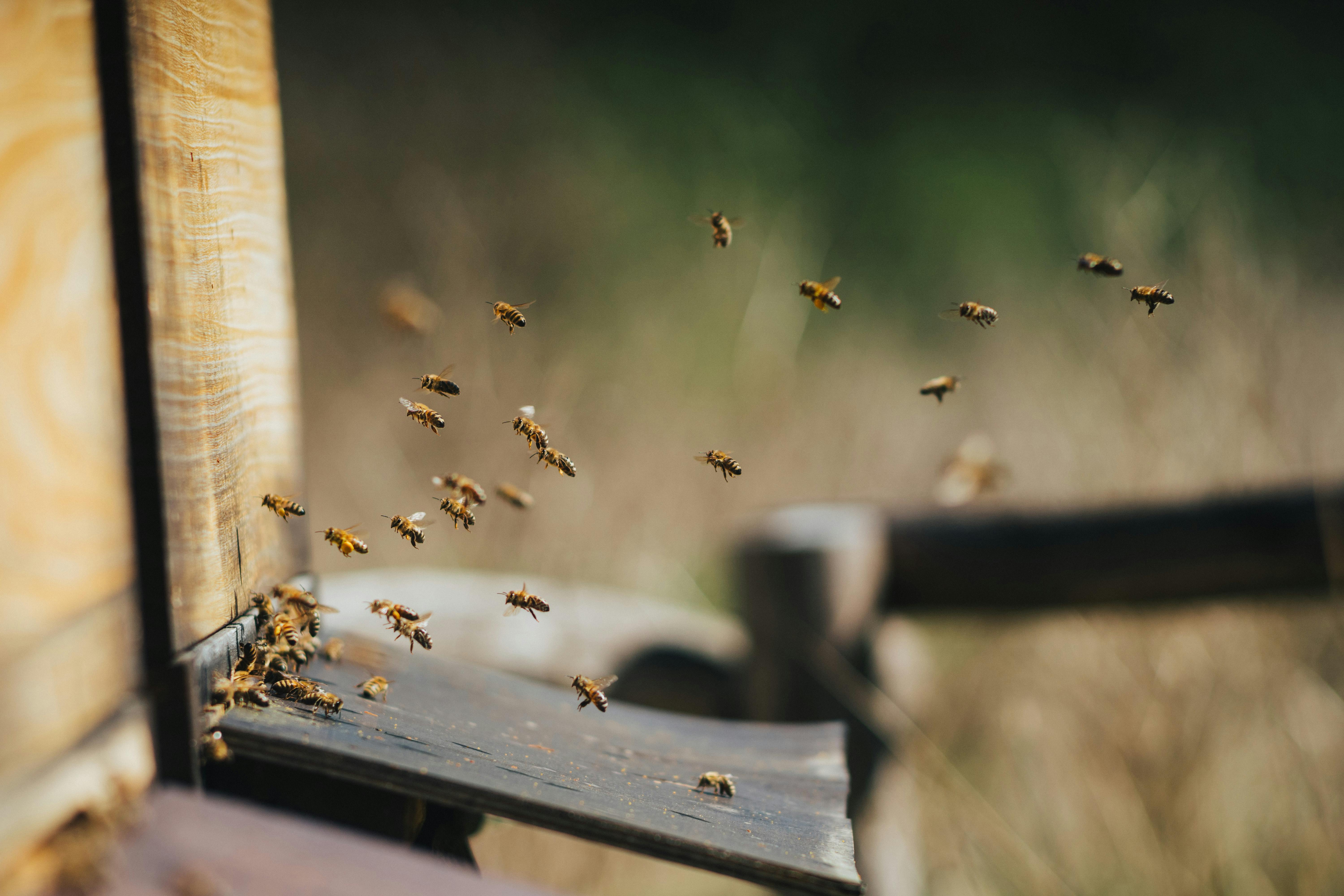
Starting costs vary depending on your location and the type of equipment you choose.
Here is a rough breakdown for a single hive setup in Nigeria:
- Top bar hive (locally built): ₦8,000 to ₦15,000
- Protective suit and veil: ₦5,000 to ₦10,000
- Smoker: ₦3,000 to ₦6,000
- Hive tool and bee brush: ₦2,000 to ₦4,000
- Nucleus colony (bees): ₦5,000 to ₦15,000
Total starting cost: Approximately ₦23,000 to ₦50,000
This makes beekeeping one of the lowest-capital farming ventures available. And if you build your own hive from local wood, costs drop even further.
At Zendric, we help you plan your investment carefully so that you spend only what you need. Our farming guides cover budget-friendly setups that work well for beginners in Nigeria.
Tips for Success as a Beginner Beekeeper
Here are a few final tips that will make your first season much easier:
Join a local beekeeping group. Learning from people who have experience in your specific climate is worth more than any book. The African Beekeeping Resource Centre is a good place to find connections.
Start with two hives if you can. Two hives allow you to compare colonies. If one has problems, you can use resources from the other to fix it.
Keep records. Write down what you observe in every inspection. This habit will help you catch problems early.
Be patient. Your first colony may not produce a harvest in the first season. That is normal. Use the first year to learn the bees’ behavior, their needs, and how to manage them confidently.
Never open the hive without your protective gear. Even calm bees can sting if they feel threatened. Always suit up.
Read and keep learning. Some of the best free resources available include the Penn State Extension Beekeeping Guide and the Bee Informed Partnership, which tracks colony health trends.
Final Thoughts
Starting beekeeping at home is one of the best decisions you can make as a farmer or homesteader.
It costs very little to start, produces valuable products like honey and beeswax, and has a direct positive impact on your garden and the environment around you.
The most important thing is to start with good information, the right equipment, and the willingness to learn by observing your bees closely.
At Zendric, we are committed to giving you clear, practical guides that help you succeed from day one. Whether you are just starting out or already have a hive running, our beekeeping guides are built for you.
If you found this guide helpful, explore more on our blog or reach out to us through the contact page. We are always here to help.
About the Author
Peter Uzodimma is the founder and lead agricultural consultant at Zendric. With over a decade of hands-on experience in the Nigerian agricultural sector, he has trained thousands of farmers in snail farming and beekeeping. His practical, data-driven guides have helped beginners across Nigeria build profitable farms with minimal starting capital.